LABOR DAY: 10% OFF WITH 1 | 15% OFF WITH 2 | 20% OFF WITH 3+ SHOP NOW

Turkey neck explained: why it happens and how to care for aging skin

Reading time : 9 min

Turkey neck describes the loose, vertical bands and softness that form along the front of the throat as the skin ages. The neck loses firmness earlier than the face because of its specific anatomy: thinner skin, fewer oil glands, constant movement, and less natural support. This article explains how skin elasticity declines in this delicate area, the modern habits that accelerate the process, and the gentle daily care that helps preserve firmness over time.


Key takeaways from this guide


  • Anatomy matters. The neck has thinner skin and fewer oil glands than the face.

  • Tech neck speeds it up. Hours spent looking down at screens deepen horizontal lines.

  • Hormones play a role. Perimenopause and menopause accelerate visible changes.

  • Sensitive skin reacts more. Ingredients should be introduced gradually.

  • Daily habits matter. SPF, hydration, posture all support long-term firmness.

  • Professional options exist. Radiofrequency, ultrasound, and injectables for advanced cases.


Sensitive skin image

What is turkey neck, and why does the neckline change?


Turkey neck describes the visible loose neck skin that forms vertical folds or horizontal bands beneath the chin and along the front of the throat. The term reflects how the area begins to resemble a bird's wattle as the skin loses its tautness.


This happens when collagen fibers break down and elastic fibers weaken. Gravity pulls the loosened tissue downward, while underlying muscles lose tone. The platysma, a thin muscle that extends from the jaw to the collarbone, gradually stretches and separates over time.


Visible changes typically appear between 38 and 50 years old. Some notice subtle shifts when tilting their head down or in photos taken from certain angles. Others observe gradual softening at the junction of the jawline and neck.


Three factors converge :


  • Fewer oil glands. The neck produces less natural oil, making the skin more prone to dehydration.

  • Thinner dermis. Less structural support means less resistance to mechanical stress.

  • Volume loss below. Fat compartments shift and descend, reducing the scaffolding that once held tissue firm.

Sensitive skin image

Why does the skin on your neck age faster than your face?


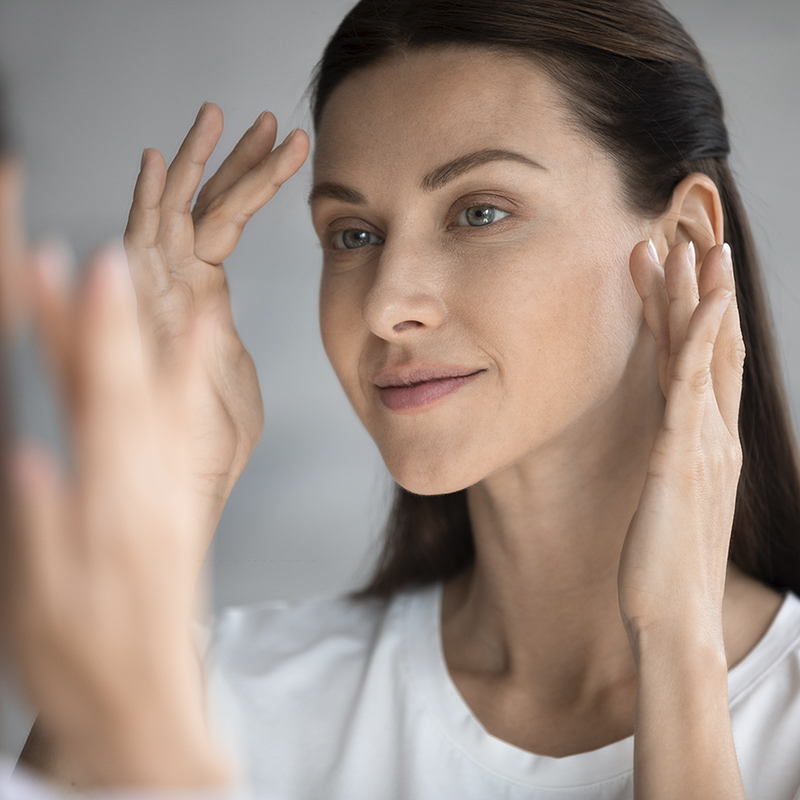
Aging of the neck is caused by intrinsic and extrinsic factors and shows up through wrinkling, laxity, dyspigmentation, loss of mandibular contour, accumulation of submental fat, density loss, and visible platysma bands1. The neck shows these signs earlier than the face because its structure is fundamentally different. It is naturally thinner, drier, and more exposed than facial skin.


Sun exposure accumulates silently in this area. UV rays penetrate unprotected skin during outdoor activities and damage the elastic fibers that maintain firmness. The neck and chest receive direct sunlight even when the face stays in the shade. A landmark study on Caucasian skin showed that UV exposure seems to be responsible for around 80% of visible facial aging signs4, and the neck is even less protected on a daily basis.


Two structural details explain the difference with the face :


  • Fewer oil glands. Reduced sebum leaves the surface more prone to losing water, with fine lines and a crepey appearance showing earlier.

  • A thin muscle close to the surface. The platysma sits just under the skin, with little fat padding. When its tone diminishes, the skin above sags more visibly.

Sensitive skin image

How does "tech neck" speed up turkey neck?


Spending hours with your head tilted forward compresses the front of the neck and stretches the back. This repeated flexion creates horizontal creases that gradually deepen into permanent folds.


Smartphones and laptops lead most people to spend several hours a day with the chin down. This sustained angle puts strain on the muscles and compresses the delicate skin, which forms what dermatologists now call tech neck wrinkles.


Beyond cosmetic effects, sustained forward head posture has consequences: early intervention with topical care can help mitigate tech neck aging, especially in younger subjects1. Forward head posture also weakens the platysma and the surrounding support structures, accelerating the appearance of loose skin.


Each degree of forward tilt increases the gravitational pull on the tissues. At a 45-degree angle, common when reading a phone, the effective load on the neck rises significantly. This constant tension breaks down collagen fibers faster than natural aging alone.


Repeated creasing in the same spot prevents the skin from bouncing back. Over time, the area loses its resilience and the lines become etched in, creating visible bands that persist even when the head returns to a neutral position.

How do hormonal shifts in your 40s affect the neck?


Estrogen plays a key role in collagen synthesis and skin hydration. As levels decline during perimenopause, typically starting around age 42, the body produces less structural protein. The neck, already vulnerable, shows this hormonal impact quickly. Research shows that in estrogen-deficient women, type I and III skin collagen decreases by as much as 30% in the first five years after menopause5. Reduced estrogen also thins the skin and decreases the production of hyaluronic acid, leaving tissue drier and less plump.


Fat redistribution happens at the same time. The subcutaneous fat that once cushioned the jawline and neck shifts or diminishes. This loss of volume makes underlying sagging more visible, amplifying the turkey neck appearance.


The neck has fewer estrogen receptors than facial skin. It is therefore less responsive to the hormone's protective effects during reproductive years. When estrogen drops, the neck loses resilience faster because it had less hormonal support to start with.


Lower hormone levels also further reduce sebum production. Already prone to dryness, the neck becomes even more dehydrated during menopause, which highlights fine lines and makes sagging more visible along the throat and décolleté.


Why does sensitive skin react differently on the neck?


The delicate skin of the neck reacts more intensely to external stressors. Ingredients like retinoids or alpha hydroxy acids can trigger redness, tightness, or flaking when applied at the same concentration as on the face. This vulnerability is largely explained by aging-related changes: aging is associated with significant changes to skin structure and function, which directly affect how well the skin can defend itself³.


A thinner barrier means irritants penetrate more easily. Fragrances, alcohol-based formulas and aggressive exfoliants disrupt the moisture barrier, which leads to inflammation that worsens visible aging. Blood vessels also sit closer to the surface in this zone, when inflammation occurs, the area flushes noticeably and takes longer to calm down.


This phenomenon is part of inflammaging, a chronic low-grade inflammation that releases molecules which break down the building blocks of the dermis, leading to wrinkles and sagging skin2. On reactive necks, this process is almost permanent.

 

Three signals to watch for :


  • Persistent tightness or stinging after applying products, indicating barrier compromise.

  • Roughness or dryness that does not improve with moisturizer, suggesting the skin can no longer retain water.

  • Lingering redness, a sign of active inflammation.


If sensitivity increases, simplify the routine immediately. Go back to gentle cleansing and a reparative moisturizer. Let the barrier rebuild before reintroducing ingredients, and always patch-test new products on the neck.


Sensitive skin image

Which daily care helps a firmer, more resilient neck?


Three foundational gestures support the neck's natural firmness.

Apply a nourishing moisturizer morning and evening, with upward strokes from the collarbone toward the jawline. This technique supports lymphatic drainage while delivering essential lipids that strengthen the moisture barrier.


Choose a broad-spectrum SPF 30 or higher and reapply every two hours during prolonged outdoor exposure. Sun protection prevents the cumulative damage that contributes to crepey skin and deepens existing lines.


Choose a broad-spectrum SPF 30 or higher and reapply every two hours during prolonged outdoor exposure. Sun protection prevents the cumulative damage that contributes to crepey skin and deepens existing lines.


Sensitive skin image

How can you build a gentle skincare routine that includes the neck?


Most people stop at the jawline, leaving the neck under-treated and more vulnerable to aging. The simplest rule: extend every step of the facial routine down to the collarbone.

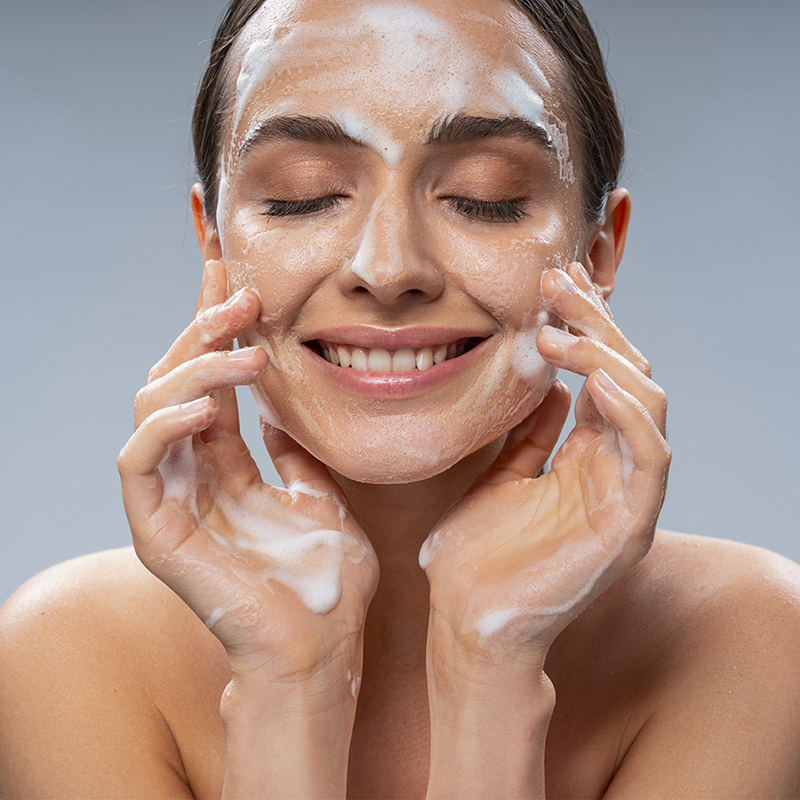
  • Light cleansing with a mild, non-foaming cleanser.

  • Hydrating serum applied to slightly damp skin.

  • Ceramide-rich moisturizer, for face and neck.

  • Broad-spectrum SPF from jawline to chest.


  • Makeup and SPF removal with a gentle cleansing oil or micellar water.

  • Regular cleanser, if needed for a second pass.

  • Repairing night cream with peptides, or retinaldehyde if the skin tolerates it.


Three ingredients that work well even on sensitive skin :


  • Peptides. Signal cells to produce more collagen. Look for palmitoyl peptides, well tolerated even on delicate tissue.

  • Hyaluronic acid. Binds water inside the skin, plumping fine lines and improving texture.

  • Niacinamide. Strengthens the barrier and reduces inflammation.


Synthetic fragrances, alcohol-based formulas, and high concentrations of essential oils can trigger inflammation on the neck's thin skin. Choose formulations specifically designed for sensitive or reactive skin, with biomimetic ingredients that the skin recognizes.


Sensitive skin image

When should you consider professional approach?


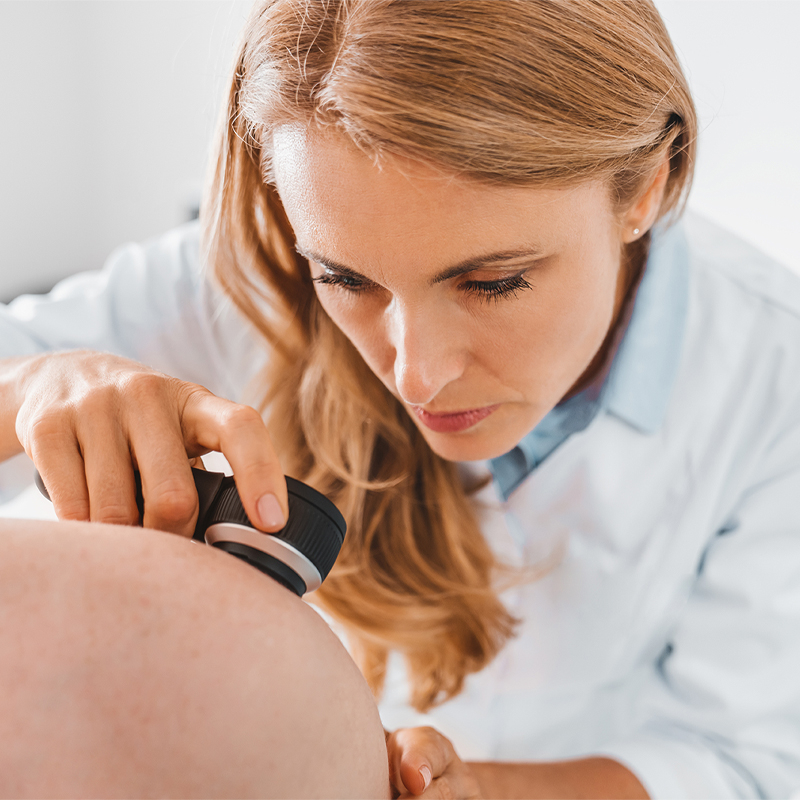
At-home care improves skin quality and slows down the process, but advanced sagging may require professional intervention. If vertical bands stay clearly visible when the face is at rest, or if loose skin creates significant folds, consult a dermatologist to discuss medical-grade options.

Several non-surgical approach target turkey neck :


  • Radiofrequency. Heats the deep skin layers to stimulate collagen production.

  • Ultrasound therapy. Targets specific depths to firm the tissues without incision.

  • Neuromodulator injections. Relax the platysma muscle and reduce vertical cording.

  • Deoxycholic acid injections. Dissolve submental fat that contributes to a heavy jawline.


Procedures deliver faster visible results, but maintenance always requires ongoing skincare. Continue using gentle cleansers, peptide serums and daily sunscreen to preserve the results. Discuss tolerance and goals openly with the dermatologist, they can recommend the least invasive option suited to the degree of sagging and skin sensitivity.


This is also the right moment to broaden the perspective. Loss of firmness on the neck is rarely isolated, it often goes hand in hand with broader signs of sagging skin elsewhere on the body.


Sensitive skin image

Which gentle routine cleanses sensitive neck skin without irritation?


The cleansing step has a direct impact on how reactive skin ages. Harsh cleansers strip protective lipids and trigger inflammation that accelerates visible signs. The right cleanser, on the other hand, preserves the skin's natural defenses.


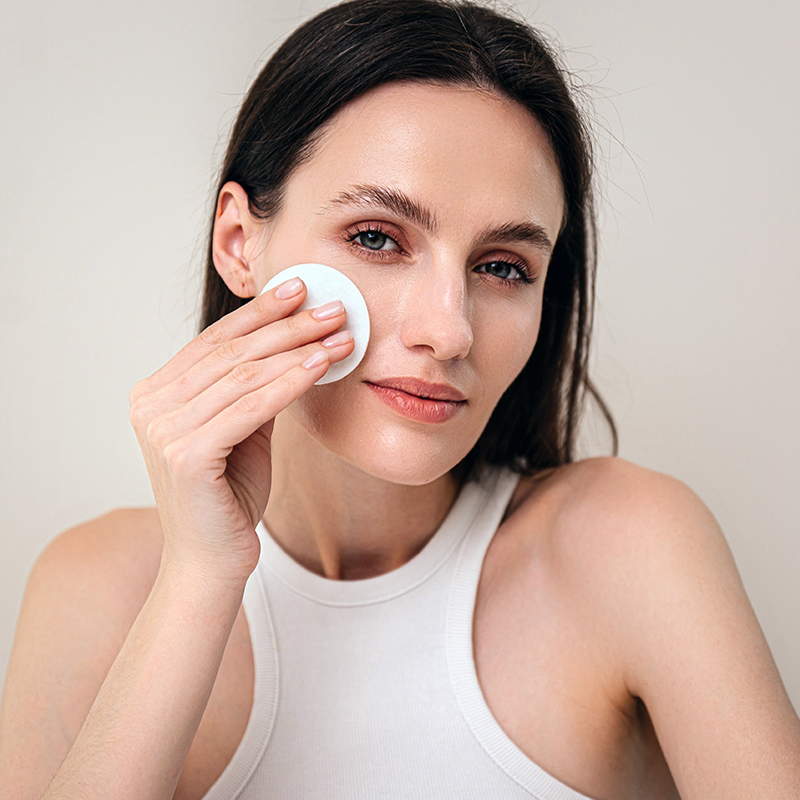
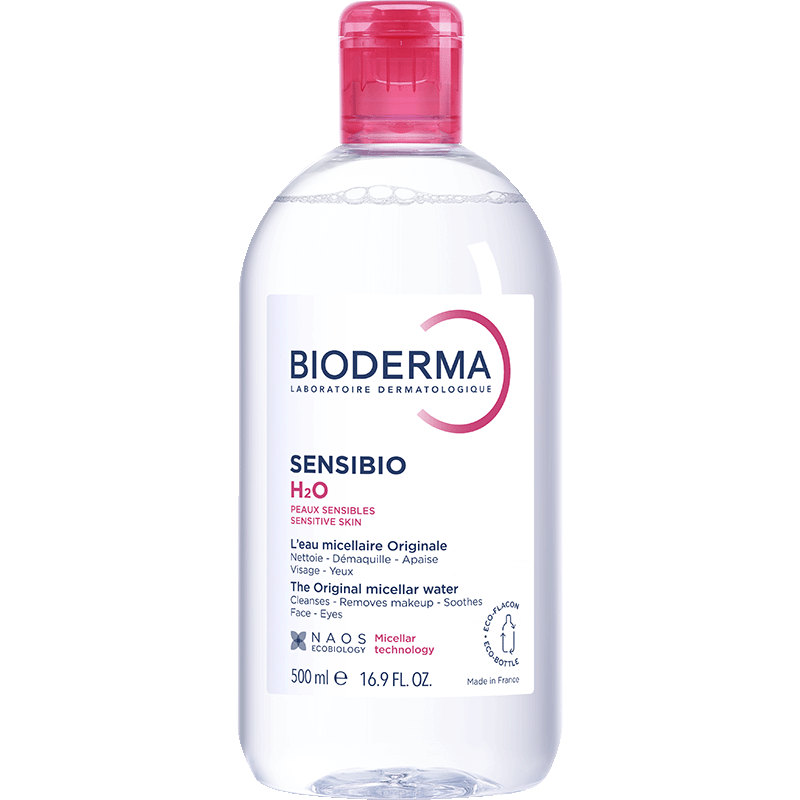
A gentle micellar cleanser for sensitive skin removes makeup, pollution and impurities without rubbing or rinsing. The micelles capture debris like magnets, while preserving the natural protective film. Soak a cotton pad and sweep gently from collarbone to jawline.


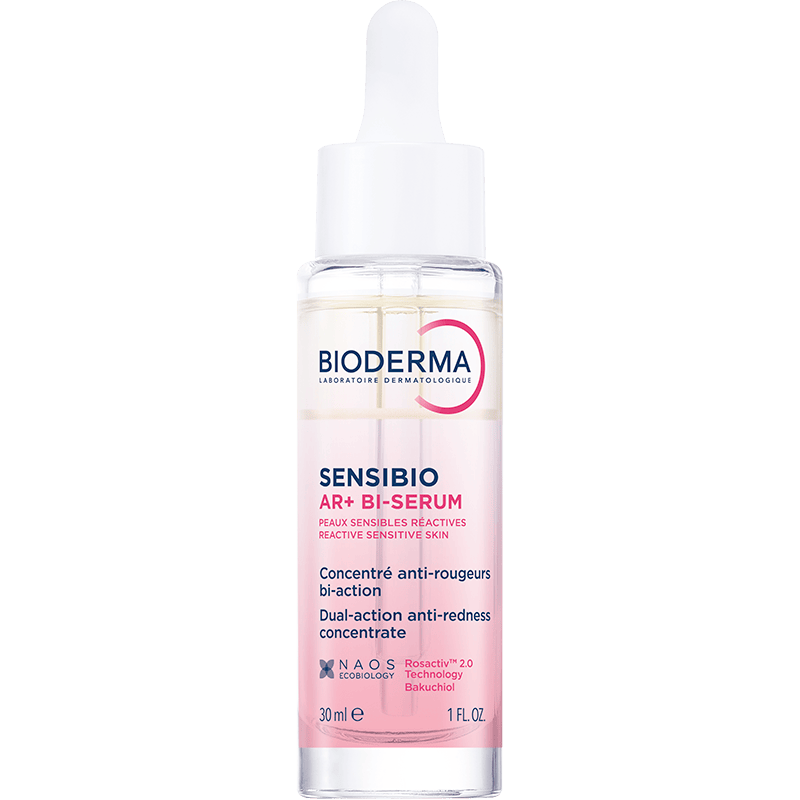
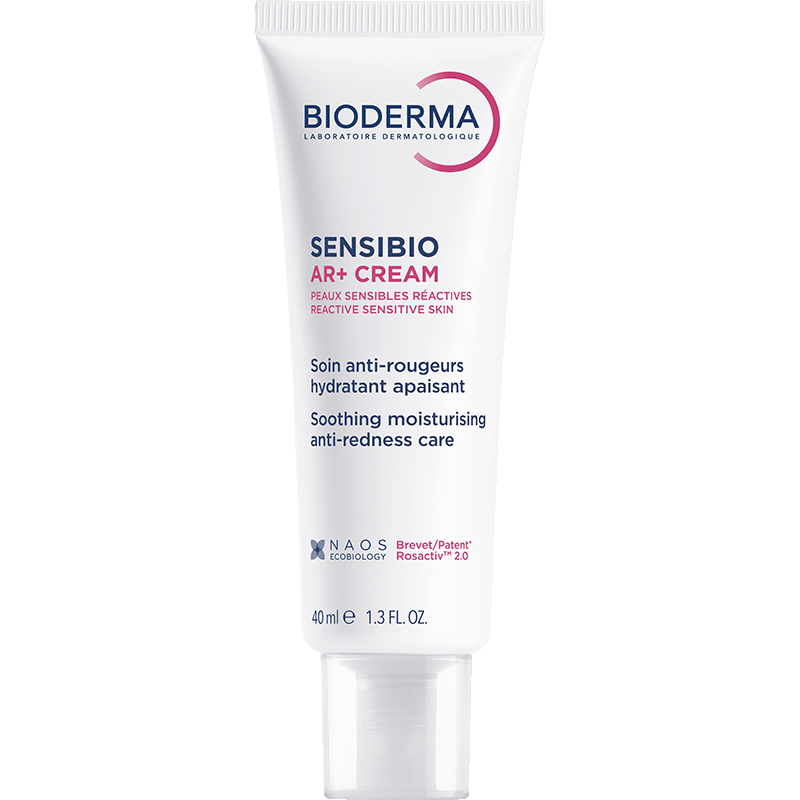
If redness frequently appears on the neck or décolleté, a targeted approach helps. An anti-redness serum for sensitive skin soothes discomfort within seconds and gradually reduces visible redness over weeks. For persistent redness combined with sagging, follow with an anti-redness cream for sensitive skin that strengthens the barrier with 24-hour hydration. This layered approach addresses both sensitivity and structural aging without overwhelming fragile skin.

Common questions about turkey neck


Turkey neck results from collagen breakdown, loss of skin elasticity, weakening of the platysma muscle, and fat redistribution. Sun exposure, hormonal changes, genetics, and repeated forward head posture all contribute over time. The neck's specific anatomy, thinner skin, fewer oil glands, less subcutaneous support, explains why the area shows these signs earlier than the face. 


Most people notice the first signs between 38 and 50 years old. Genetics, sun exposure and lifestyle factors all influence the timing. Perimenopause speeds things up because of declining estrogen and reduced collagen synthesis. Subtle changes can be visible earlier when the head is tilted down or in photos taken from below.


No. A double chin usually involves excess fat under the chin. Turkey neck refers to loose, sagging skin along the front and sides of the throat, often with visible vertical bands. The two can coexist but result from different underlying causes, fat for one, skin laxity and muscle slackening for the other. Their approach are also different.


Scientific references


  1. A Rejuvenating treatment targeting "tech neck" lines and wrinkles in Chinese women: A prospective, open-label, single-center study (Journal of Cosmetic Dermatology / Wiley – Young et al., 2023) https://onlinelibrary.wiley.com/doi/10.1111/jocd.15497
  2. Influences on Skin and Intrinsic Aging: Biological, Environmental, and Therapeutic Insights (Journal of Cosmetic Dermatology / Wiley – Hussein et al., 2025) https://onlinelibrary.wiley.com/doi/10.1111/jocd.16688
  3. Clinical consequences of age-related skin barrier dysfunction—Part I: Structural, molecular, and physiologic changes with cutaneous aging (Journal of the American Academy of Dermatology – Wahhab et al., 2024) https://www.jaad.org/article/S0190-9622(24)02752-X/abstract
  4. Effect of the sun on visible clinical signs of aging in Caucasian skin (Clinical, Cosmetic and Investigational Dermatology – Flament et al., 2013) https://pmc.ncbi.nlm.nih.gov/articles/PMC3790843/
  5. Estrogens and aging skin (Dermato-Endocrinology – Thornton, 2013) https://pmc.ncbi.nlm.nih.gov/articles/PMC3772914/

Author


Content written by the BIODERMA USA editorial team and medically reviewed by Anaïs Caldirola, Medical lead at NAOS, ensuring accuracy and scientific reliability. Medical information is based on established dermatological and nutritional references.