


LABOR DAY: 10% OFF WITH 1 | 15% OFF WITH 2 | 20% OFF WITH 3+ SHOP NOW

Premature aging: causes, signs, and how to protect your skin naturally

Reading time : 8 min

Premature aging is when the visible signs of aging, fine lines, loss of firmness, uneven tone, appear earlier than chronological age would suggest. The phenomenon results from external factors (sun, pollution, lifestyle) that overwhelm the skin's natural repair capacity, especially when the skin barrier is already fragile. This article explains the causes, identifies the signs, and outlines simple protective habits, particularly suited to sensitive skin.

Key takeaways from this guide


  • It starts earlier than expected. Visible signs can appear from the mid-twenties.

  • UV is the main cause. Roughly 80% of visible facial aging comes from sun exposure.

  • Lifestyle plays a major role. Sugar, smoking, stress, poor sleep all accelerate the process.

  • Sensitive skin is more exposed. Its weakened barrier amplifies daily damage.

  • Daily habits matter. SPF, hydration, balanced diet, small, consistent gestures.

  • Gentle care wins. An ecobiological approach respects the skin instead of forcing it.


Sensitive skin image

What is premature aging, and when does the skin age faster than it should?


Premature aging happens when the visible signs of aging appear earlier than expected, typically before age 40. The skin shows wrinkles, loss of firmness or uneven tone that don't match its chronological age.


This phenomenon comes from a combination of external factors and internal vulnerabilities that disrupt the skin's natural renewal cycle. Collagen breakdown speeds up, elastin fibers weaken, and cell turnover slows down too early.

Early signs can appear as soon as the mid-twenties to early thirties, especially if the skin is regularly exposed to environmental stress. Some people notice fine lines around the eyes or texture changes much sooner than others their age.


Normal aging follows a gradual, predictable timeline driven by genetics and natural processes. Premature aging happens faster because of avoidable external factors, sun exposure, pollution, lifestyle, that amplify aging mechanisms.


Sensitive skin image

How can you tell if your skin is showing signs of premature aging?


Identifying early signs requires looking beyond occasional fine lines. The skin sends several specific signals that aging is accelerating before its time.

Five simple questions to ask yourself :


  1. Fine lines. Are they visible even at rest?
  2. Radiance. Does the complexion look duller than before?
  3. Pigmentation. Have age spots or uneven tone appeared recently?
  4. Density. Does the skin feel thinner or less resilient?
  5. Sagging. Are there changes around the jawline or neck?


Beyond visible wrinkles, several subtle changes deserve attention :


  • Pores look larger. Loss of dermal density makes them more visible.

  • Slow recovery. The skin takes longer to bounce back after pressure.

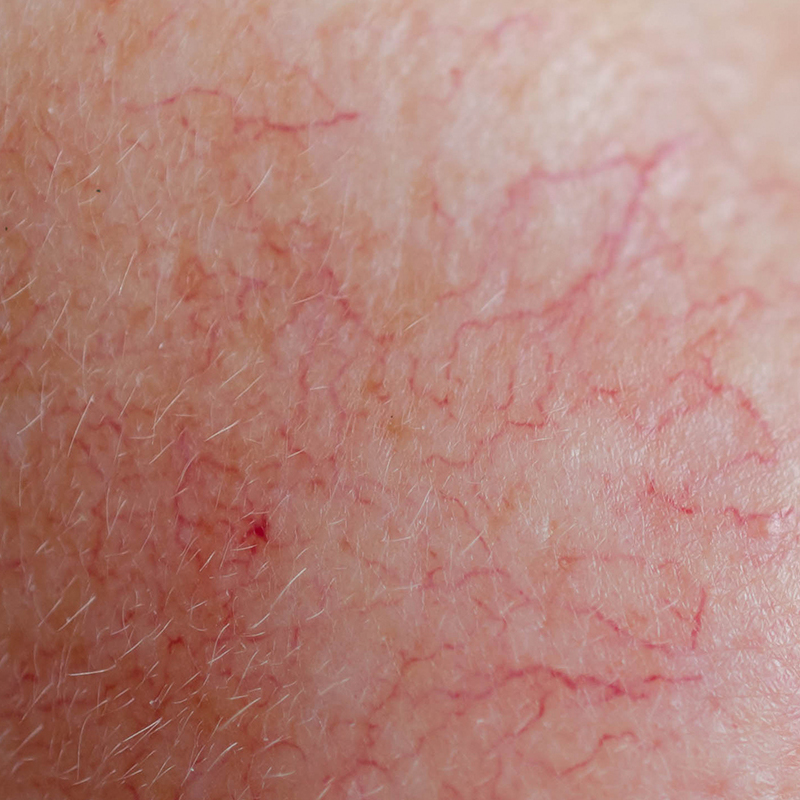
  • Capillaries appear. Fine blood vessels become visible through the skin.

  • Rough texture. Or a crepey appearance, especially in dry zones.

  • Persistent dryness. Despite consistent moisturizing.


Sensitive skin image

Where does premature aging show up on the face and body?


Premature aging follows predictable patterns. Some areas reveal it before others, depending on skin thickness and movement frequency.

Six clear markers on the face :


  • Lingering Expression lines around the mouth and eyes.

  • Crows feet at the outer corners of the eyes.

  • Deeper frown lines between the eyebrows.

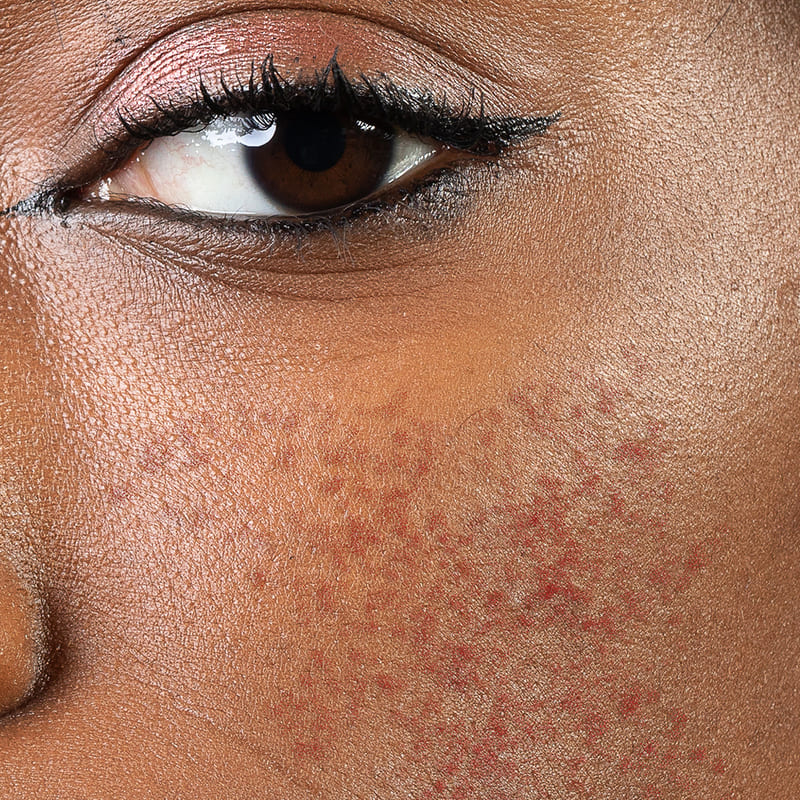
  • Hyperpigmentation. Dark spots and uneven tone.

  • Loss of volume. Hollowed look in cheeks and temples.

  • Tired looking eyes with deeper tear troughs and dark circles.


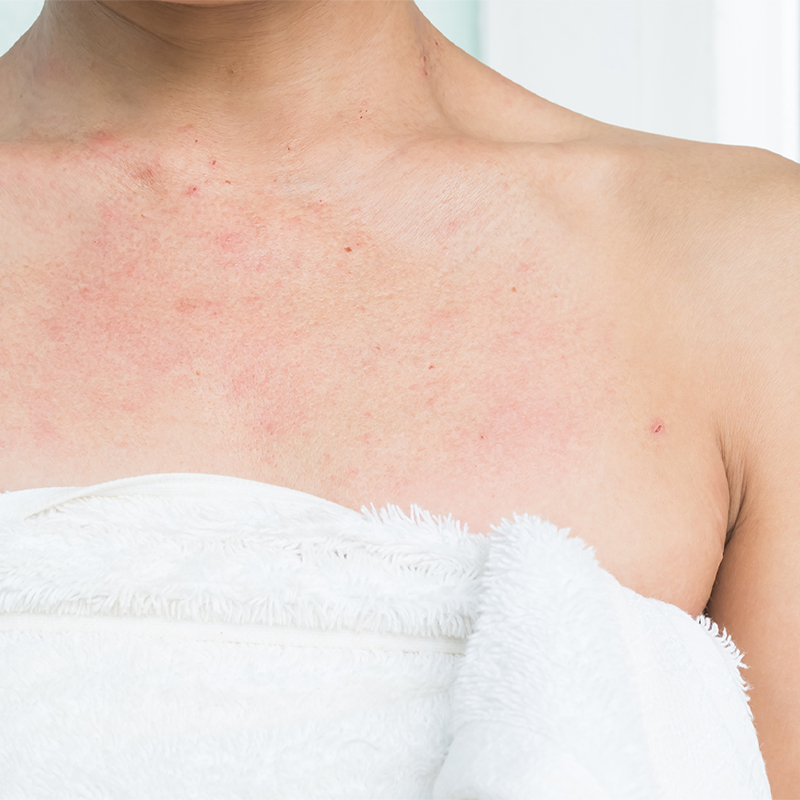
The hands often age faster than the face: prominent veins, thinning skin, age spots. The neck shows horizontal lines and turkey neck as elasticity declines. The chest reveals sun damage through mottled pigmentation. Arms and legs may develop a crepey texture, especially in zones exposed to UV.


Sensitive skin image

Which external aggressors accelerate premature aging?


Environmental factors attack the skin's structures and overwhelm its natural defenses. Their damage adds up over time, becoming increasingly visible.

Sun exposure remains the primary cause of premature aging. UV rays penetrate the skin layers and destroy collagen fibers, while triggering free radicals that damage DNA. A landmark study on Caucasian skin showed that UV exposure seems to be responsible for about 80% of visible facial aging signs¹. Even brief daily exposure without protection adds up.


Airborne pollutants generate oxidative stress by producing reactive molecules that attack skin cells. Particulate matter slips into the pores, triggers inflammation, and accelerates collagen degradation. Urban environments combine multiple sources: vehicle exhaust, industrial dust, ozone.


  • Blue light. Screens may contribute to skin damage and pigmentation.

  • Extreme temperatures. Compromise the skin's moisture retention.

  • Wind and dry air. Strip protective lipids from the surface.

  • Heating and AC. Reduce ambient humidity and dehydrate the skin.


Sensitive skin image

Why is sensitive skin more vulnerable to premature aging?


Sensitive skin ages faster because its barrier function is already weakened. Aging is associated with significant changes to skin structure and function, which directly affect how well the skin can defend itself⁴. External aggressors penetrate more easily, the skin reacts more often, and inflammation becomes nearly continuous.

A fragile barrier loses moisture quickly and becomes vulnerable to irritants. The skin is constantly in repair mode, which uses cellular resources that should otherwise go to renewal. The skin essentially ages while trying to defend itself.


Reactive skin goes through frequent inflammatory episodes, a phenomenon called inflammaging. Each episode releases molecules that break down the building blocks of the dermis, which leads to wrinkles and sagging skin5. On reactive skin, this process is almost permanent.


Sensitive skin image

Which lifestyle factors accelerate premature aging?


Daily habits have a deep impact on how quickly the skin ages, beyond genetics or environmental exposure. Several factors play a major role.

Excess sugar triggers a process called glycation: sugar molecules bind to collagen fibers and make them stiff and brittle. Research shows that consuming high-sugar and ultra-processed diets increases systemic levels of advanced glycation end-products (AGEs). AGEs trigger oxidative stress and inflammation responses that contribute to skin ageing and dysfunction².


To support cellular structure, focus on : 


  • Antioxidants (berries, leafy greens, green tea) to neutralize free radicals.

  • Essential fatty acids (oily fish, nuts, olive oil) to protect the lipid barrier.

  • Vitamins C and E for collagen synthesis and protection.

  • Less refined sugar, processed foods and excess alcohol.


Poor sleep disrupts cellular repair processes that take place during deep sleep phases. The skin produces less collagen, and stress hormones rise, they directly break down existing fibers. Chronic stress also sustains low-level inflammation that intensifies premature aging.


Tobacco constricts blood vessels and reduces oxygen and nutrient delivery to the skin. Research shows that chronic smoking significantly increases the stiffness of both the dermis and the epidermis³, which may in part underlie the wrinkling and loss of elasticity associated with smoking. Excessive alcohol dehydrates the skin and depletes the vitamin A essential for cell renewal.


Sensitive skin image

How can daily habits slow premature aging?


Protective routines have a cumulative impact on how the skin ages. They don't reverse what has already happened, but they significantly slow what is to come.

Premature aging: causes, signs, and how to protect your skin naturally

This is the single habit with the highest impact. Two simple rules :


  • SPF 30 or higher every morning, even on cloudy days or indoors near windows.

  • Reapply every 2 hours when outdoors. Hat and UV-protective clothing as a complement.


  • Hydrate consistently throughout the day.

  • 7 to 9 hours of sleep for optimal cellular repair.

  • Antioxidant-rich diet (berries, leafy greens, oily fish).

  • Stress management (meditation, exercise, relaxation).

  • Avoid smoking, limit alcohol to occasional moderate consumption.

  • Use a humidifier in dry environments.


Choose mild, pH-balanced cleansers that remove pollutants without stripping the natural lipids. Harsh products weaken the barrier and accelerate the process they are supposed to slow. Pat the skin dry gently. Apply moisturizer when the skin is still slightly damp to lock in hydration.


Sensitive skin image

Which gentle skincare routine works for sensitive skin?


Ecobiological skincare worksin harmony with the skin rather than overriding it with aggressive ingredients. This approach strengthens the skin's intrinsic defenses, which helps it resist premature aging without compromising tolerance.

Traditional anti-aging products often use high concentrations of ingredients that irritate reactive skin and trigger inflammation, which in turn accelerates aging. Ecobiological formulas respect the skin's ecosystem with biomimetic ingredients that the skin recognizes and integrates easily. This philosophy prioritizes long-term health over immediate dramatic results.


  • Hyaluronic acid, for deep hydration.

  • Niacinamide, to strengthen the barrier and even out tone.

  • Vitamin E, an antioxidant that's gentle on reactive skin.

  • Allantoin and glycerin, to soothe and maintain moisture balance.

  • Low-concentration lactic acid, for gentle cell turnover, when tolerated.


When should you talk to a dermatologist?


A professional consultation becomes useful in several specific situations :


  • Sudden or asymmetric changes that don't match natural aging.
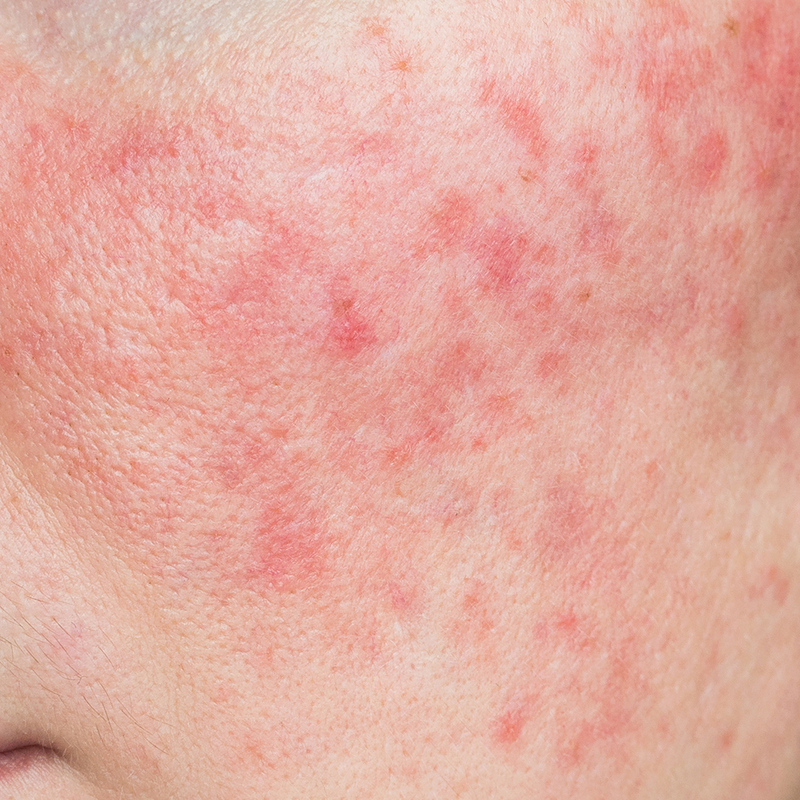
  • Rapid appearance of multiple age spots or persistent redness.
  • Skin that becomes increasingly reactive, despite gentle care.
  • Suspicion of an underlying factor (hormonal, nutritional, medical).


Beyond at-home care, several professional options exist :


  • Chemical peels, adapted to skin type and tolerance.

  • Laser treatments for spots and texture changes.

  • A personalized plan, combining medical treatment and daily care.


Sensitive skin image

How can you cleanse sensitive skin without accelerating aging?


The cleansing routine has a direct impact on how reactive skin ages. Harsh cleansers strip protective lipids, weaken the barrier and leave the skin vulnerable to environmental damage that speeds up aging. The right cleanser, on the other hand, preserves the skin's natural defenses.


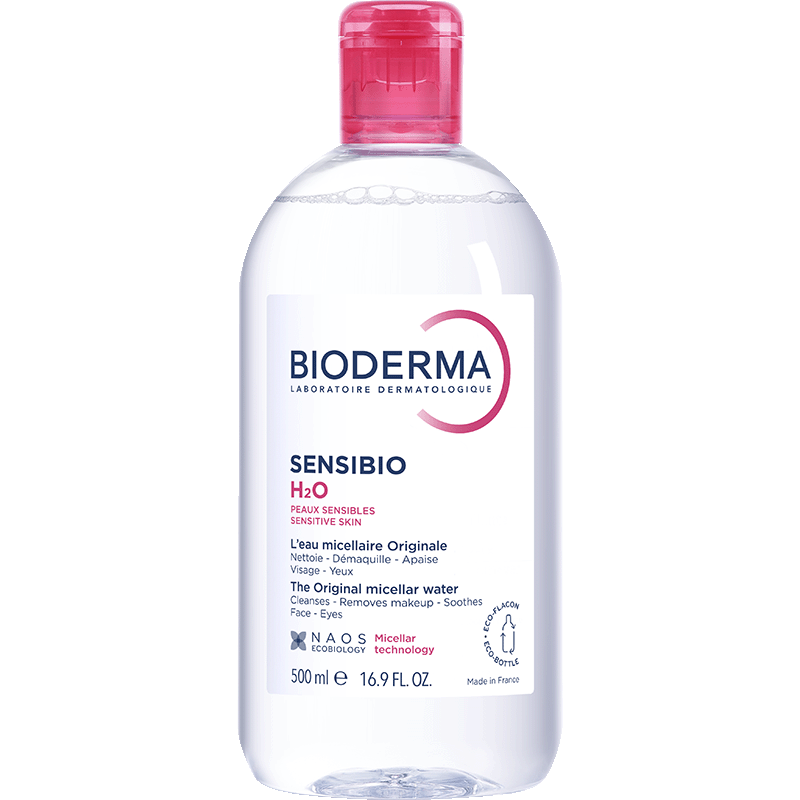
A micellar water for sensitive skin uses microscopic molecules that capture impurities without disrupting the protective film. No rinsing, no rubbing, just gentle removal of makeup, pollution and daily impurities.


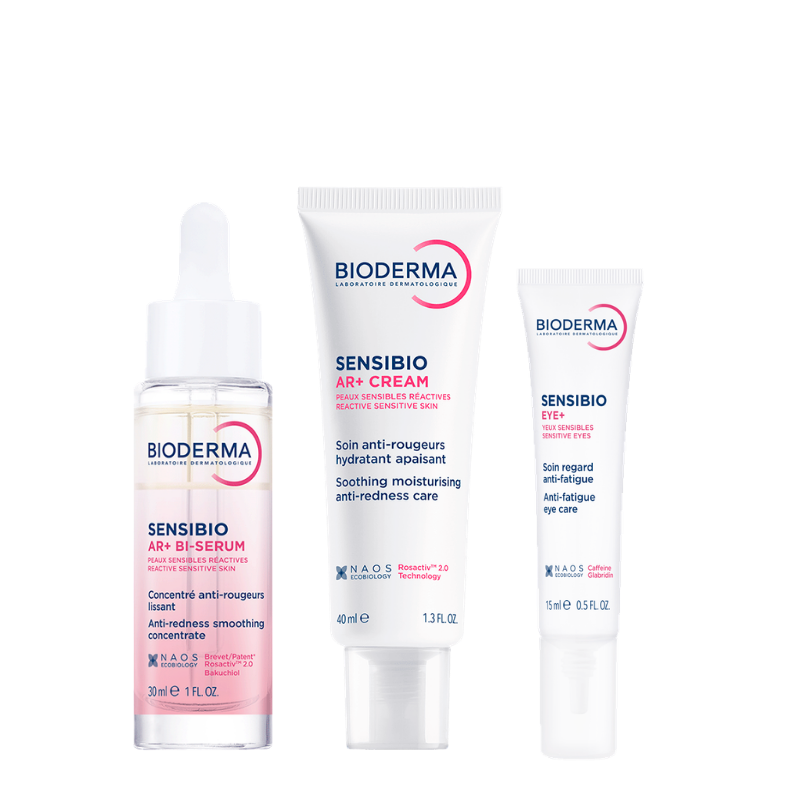
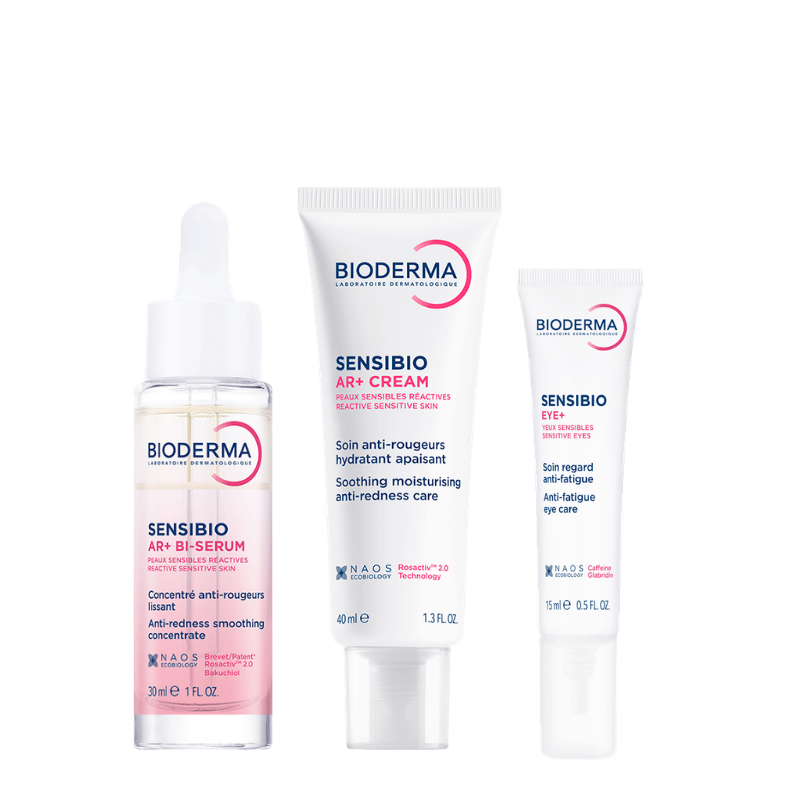
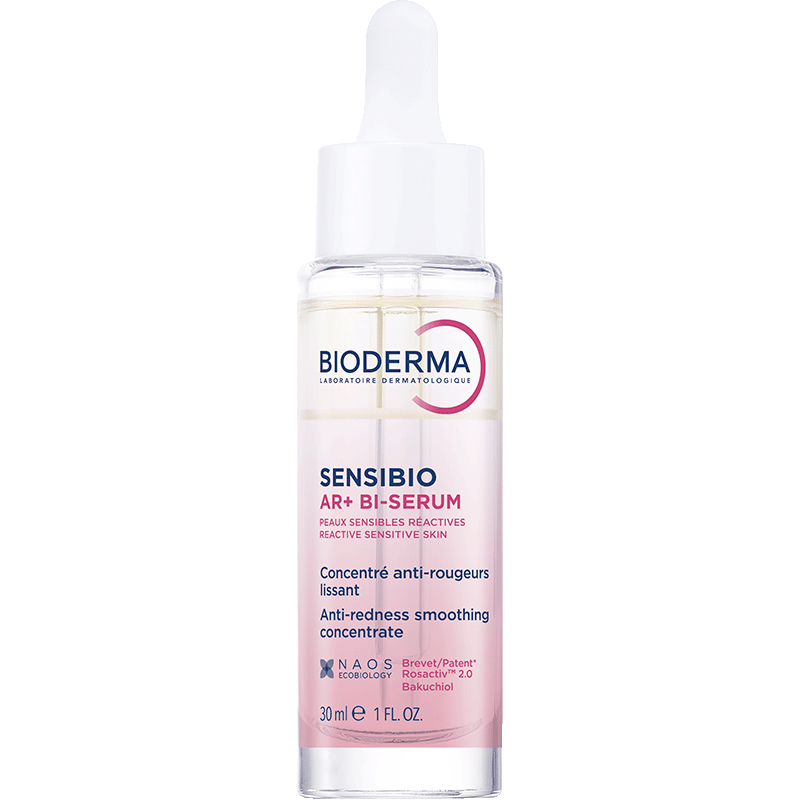
For sensitive skin showing both redness and early signs of aging, the appearance of redness & signs of aging routine combines gentle cleansing with targeted serums that address both concerns without overwhelming reactive skin. The AR+ Bi-serum for sensitive reactive skin with redness works as a dual-action concentrate: it soothes discomfort in 30 seconds and visibly reduces redness by 76% over 28 days. This ecobiological approach strengthens tolerance while addressing aging signs specific to sensitive skin.

Common questions about premature aging


Premature aging typically becomes visible from the late twenties to mid-thirties, earlier than the natural aging timeline. Factors like intense sun exposure, smoking or genetic predisposition can trigger signs even sooner. The first changes often show up around the eyes and forehead, where the skin is thinnest and most expressive.


The earliest signs include fine lines around the eyes and mouth, a subtle loss of radiance, and slightly uneven tone. The skin may take longer to bounce back after pinching, or the pores may look larger. These changes often precede deeper wrinkles and significant volume loss.


Sensitive skin ages faster because its weakened barrier lets environmental aggressors penetrate more easily, which causes more oxidative stress. The chronic inflammation typical of reactive skin triggers enzymes that break down collagen and elastin. This constant state of alert pulls cellular resources away from renewal, leaving fewer for normal repair.


Scientific references


  1. Effect of the sun on visible clinical signs of aging in Caucasian skin (Clinical, Cosmetic and Investigational Dermatology – Flament et al., 2013) https://pmc.ncbi.nlm.nih.gov/articles/PMC3790843/
  2. The effects of advanced glycation end-products on skin and potential anti-glycation strategies (Experimental Dermatology / Wiley – Wang et al., 2024) https://onlinelibrary.wiley.com/doi/full/10.1111/exd.15065
  3. The systemic influence of chronic smoking on skin structure and mechanical function (Journal of Pathology / Wiley – Langton et al., 2020) https://pathsocjournals.onlinelibrary.wiley.com/doi/10.1002/path.5476
  4. Clinical consequences of age-related skin barrier dysfunction—Part I: Structural, molecular, and physiologic changes with cutaneous aging (Journal of the American Academy of Dermatology – Wahhab et al., 2024) https://www.jaad.org/article/S0190-9622(24)02752-X/abstract
  5. Influences on Skin and Intrinsic Aging: Biological, Environmental, and Therapeutic Insights (Journal of Cosmetic Dermatology / Wiley – Hussein et al., 2025) https://onlinelibrary.wiley.com/doi/10.1111/jocd.16688

Author


Content written by the BIODERMA USA editorial team and medically reviewed by Anaïs Caldirola, Medical lead at NAOS, ensuring accuracy and scientific reliability. Medical information is based on established dermatological and nutritional references.