


LABOR DAY: 10% OFF WITH 1 | 15% OFF WITH 2 | 20% OFF WITH 3+ SHOP NOW

Inflammaging: the silent inflammation that accelerates skin aging

Reading time : 10 min

Inflammaging is a chronic low-grade inflammation that develops in the body with age and silently accelerates skin aging. This article explains its causes, how it shows up on the skin (especially on sensitive skin), and the daily habits and skincare choices that help slow it down.

Key takeaways from this guide


  • A silent inflammation. Inflammaging runs quietly inside the body and speeds up aging.
  • Daily triggers. Sun, pollution, sugar, stress and poor sleep keep it going.
  • Sensitive skin reacts first. It often shows the earliest signs.
  • Food matters. A Mediterranean-style diet measurably lowers inflammation.
  • Gentle skincare wins. It strengthens the skin's natural defenses.
  • See a dermatologist. Helpful when changes appear quickly or persist.


sensitive skin image

What is inflammaging?


Inflammaging is a slow, invisible inflammation that builds up in the body over the years. It does not hurt. It causes no flare-up, no redness on its own. But it keeps cells under stress over time, which gradually wears them down. Recent research shows that when the skin barrier weakens, it directly fuels this inflammation, leaving the skin more fragile and more reactive


The term was coined in the early 2000s by Italian immunologist Dr. Claudio Franceschi. His work showed that aging and inflammation are not two separate phenomena: they go hand in hand. This idea changed how researchers approach the aging process and skin health.

Two simple distinctions:

  • Normal aging follows time. Genetics, years, gravity.

  • Inflammaging follows habits. Sun, food, sleep, stress.


Conclusion: inflammaging can be slowed. Daily choices have a real impact.


Inflammation usually serves as a useful defense, it heals injuries and fights infections. But when it stays low and constant for years, it stops being protective. Cells live in a state of permanent stress. Repair systems run out of resources. This is why inflammaging silently shapes long-term skin and body health, even without any visible symptom on a given day.


sensitive skin image

How does inflammaging develop?


With age, the immune system loses precision. It becomes slower at telling real threats from false alarms. The result: it stays mildly activated all the time, even when nothing is wrong.


Behind the scenes, the body keeps releasing low levels of inflammatory molecules. Day after day, year after year. The skin and the rest of the body live in this steady, low-grade state of alert.

Cells produce waste as they work. The body normally cleans it. With age, cleanup slows. The leftover debris keeps the immune system mildly irritated, which feeds back into more inflammation. A loop sets in.


Daily metabolism produces unstable molecules called free radicals. They damage cells the way rust damages metal. Combined with chronic inflammation, the damage builds up faster. Cells cannot keep up with repairs.


sensitive skin face

What triggers inflammaging?


A handful of everyday factors keep inflammation switched on. The four most studied:

UV rays generate free radicals the moment they touch the skin. Even short, daily exposures, a walk to the car, lunch outside, add up over years. Pollution does similar damage: tiny particles slip into the skin and keep the immune system active. People living in polluted cities show faster skin aging and higher inflammation in the blood.


Refined sugars and ultra-processed snacks send blood sugar up and down quickly. Each spike triggers a small inflammatory response. Repeated several times a day, this builds chronic, low-level inflammation throughout the body.


Long-term stress keeps the stress hormone elevated. Useful in short bursts, harmful at high levels for weeks or months: it disrupts the immune system and blocks repair. Sleep deprivation amplifies the problem, because the body uses deep sleep to clean up cellular debris.


The gut and the skin host trillions of microorganisms. When this ecosystem is healthy, it calms inflammation. When it is disrupted, by antibiotics, harsh products, or a poor diet, harmful strains take over and keep the immune system on edge.


sensitive skin image

How does inflammaging affect the whole body?


Inflammaging is not just a skin issue. It quietly affects every organ. Skin changes are simply the most visible.


In the cardiovascular system, chronic inflammation weakens blood vessels and helps plaque build up on artery walls. Higher levels of certain inflammatory molecules in the blood are linked to a higher risk of heart attack, stroke, and heart failure5.

Chronic inflammation also affects the brain. Inflammatory molecules can disrupt how neurons communicate. Over decades, this contributes to memory problems and conditions like Alzheimer's disease.


Two more well-documented effects:


  • Insulin resistance. Higher risk of type 2 diabetes.

  • Joint cartilage breaks down faster. Beyond what the body can naturally rebuild.


This is why inflammaging matters far beyond how the skin looks.


sensitive skin image

How does inflammaging show up on the skin?


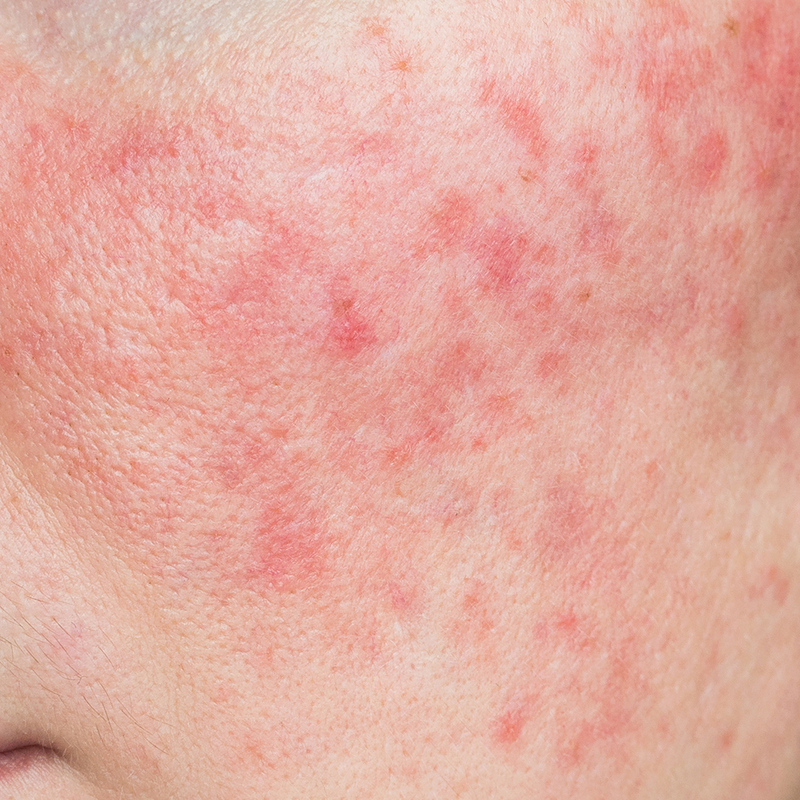
Skin inflammaging does not look quite like normal aging. It produces specific signs because chronic inflammation interferes with how the skin renews itself.


Inflammatory molecules damage the structure of the skin in three ways: they reduce elasticity, make the skin thinner, and break down the building blocks that hold the dermis together, which leads to wrinkles and sagging2. Over time, this becomes a visible loss of firmness and reduced skin elasticity.

Three signs typically appear:


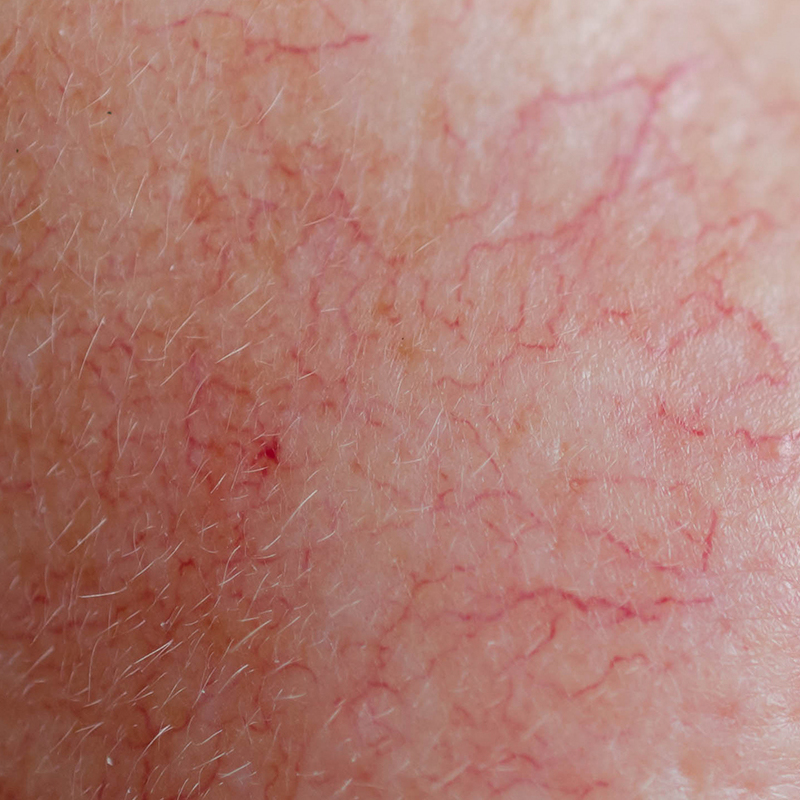
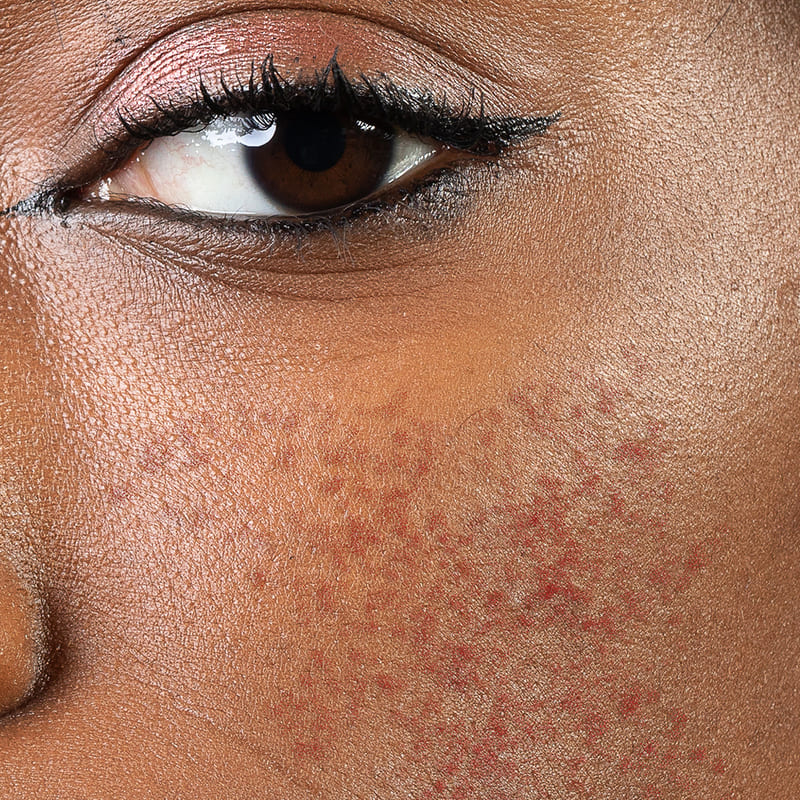
  • Persistent redness from blood vessels dilated near the surface.

  • Patches of darker pigmentation, because inflammation overstimulates pigment cells.

  • A dull complexion, because dead cells stay on the surface longer.

Inflammation damages the molecules that keep water in the skin. The skin feels drier and looks less radiant, even when the moisturizer routine has not changed.


The fibers that give the skin its bounce break down under chronic inflammation. Expression lines deepen because the skin cannot snap back as before. The face gradually loses its scaffolding, and gravity becomes more noticeable.

sensitive skin face

Why does sensitive skin react sooner?


Sensitive skin enters the inflammaging cycle earlier because it starts on the back foot. Its protective barrier lets irritants through more easily. Each tiny exposure triggers a small immune reaction. Even when no redness is visible, sensitive skin shows higher baseline inflammation, it is, in a sense, always on alert.

Aging is associated with significant changes to skin structure and function, which directly affect how well the skin can defend itself3. When the barrier weakens, water leaves the skin faster, and the skin can no longer repair itself properly.


 The cycle goes like this:

  1. Inflammation damages the barrier.

  2. The damaged barrier loses water and lets irritants in.

  3. The skin reacts more strongly to weather, products, and stress. 

  4. Each reaction triggers more inflammation.

Sensitive skin types often have more reactive cells and more nerve endings near the surface. They fire off faster. Over years, this constant low-level reactivity becomes the very inflammation that drives inflammaging.


sensitive skin face

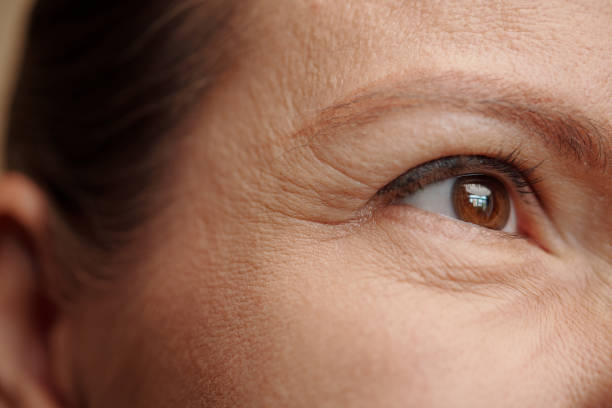
What are the first signs on sensitive skin in the late 30s and 40s?


The early signs are subtle. They tend to appear well before what most people would call "aging." On reactive skin, they show up first as:

  • Reactions to products that used to feel fine.

  • A tired complexion that does not perk up after sleep.

  • Fine dehydration lines around the eyes and mouth.

  • Patches of redness or uneven tone, sometimes with no clear trigger.

  • A face that looks more tired than it feels.


Catching these signs early changes everything. The skin still has good repair capacity in the late 30s and early 40s, and early action makes a real difference for the next decade.

sensitive skin face

How can daily habits slow inflammaging?


Small, consistent habits add up to measurable drops in inflammation. None is a miracle on its own. Together, they shift the balance.

A Mediterranean-style diet has the strongest evidence behind it. Compared with other eating patterns, it produces clear reductions in inflammation in the blood5. The basics:


  • Vegetables and fruit, especially colorful and rich in berries.

  • Oily fish, for omega-3s (salmon, sardines, mackerel).

  • Olive oil, as the main fat.

  • Nuts, seeds, whole grains, for fiber.

  • As little refined sugar and processed food as possible.


Some anti aging foods deserve special attention: leafy greens for folate and vitamin K, and oily fish for omega-3s.


Regular moderate exercise lowers inflammation and triggers the release of soothing molecules. Two simple guidelines:


  • About 150 minutes of activity per week.

  • Mix cardio (walking, cycling, swimming) with some resistance training.


7 to 8 hours of real sleep allow the body to clean up and repair. Deep sleep lowers stress hormones and switches on cellular cleanup. Anything that lowers chronic stress, meditation, breathing exercises, walks outdoors, also lowers inflammation.


sensitive skin face

Which skincare routine helps fight inflammaging?


Skincare can help support the skin’s natural balance when it works in harmony with the skin rather than against it. This ecobiological approach focuses on helping strengthen the appearance of the skin barrier, respecting the skin microbiome, and avoiding overly aggressive routines.

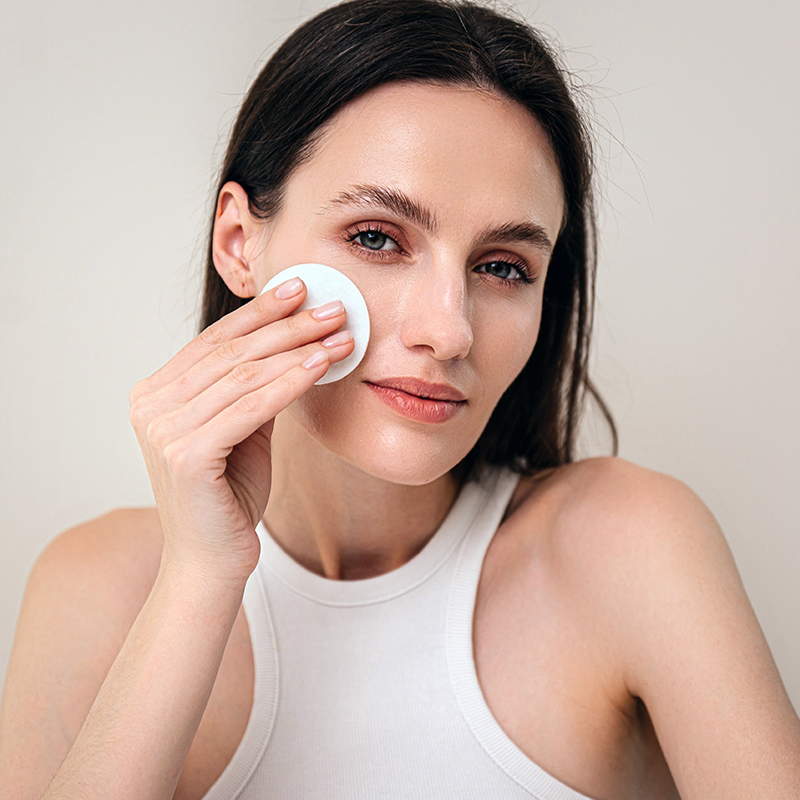
Mild cleansers remove pollution and excess oil without stripping the skin. Harsh foaming products weaken the barrier and disturb the microbiome, exactly what we want to avoid.


These ingredients protect the skin against the small daily damage that triggers inflammation. The most useful:


  • Vitamin C, against oxidative stress.

  • Niacinamide, to even out tone and calm reactivity.

  • Resveratrol, a plant antioxidant.

  • Allantoin and thermal spring water, to soothe the skin.


Ceramides, fatty acids and cholesterol are the natural mortar of the skin barrier. Combined with ingredients that hold water (humectants) and seal it in (occlusives), they keep the skin hydrated, calm and less reactive.


A daily broad-spectrum SPF blocks the UV that triggers most skin inflammation. Wearing sunscreen every day breaks the cycle and prevents the premature aging caused by repeated inflammation.


Sensitive skin face

When should you see a dermatologist?


A dermatologist's consultation is useful when the skin keeps changing despite a consistent, gentle routine. 


In particular when:


  • Sensitivity gets clearly worse.

  • Redness becomes constant.

  • Pigmentation changes appear quickly.

  • The skin stays reactive after 3 months on a simplified routine.

  • Inflammation persists despite better lifestyle habits.

Some conditions can mimic or worsen inflammaging:


  • Rosacea

  • Melasma

  • Allergic or seborrheic dermatitis

  • Hormonal imbalances


A dermatologist also helps decide when and how to introduce stronger active ingredients. These can be very effective, but they need professional supervision on sensitive skin.


Targeted care for sensitive skin facing inflammaging


Sensitive skin showing signs of inflammaging needs a careful balance: calm the inflammation and support the barrier at the same time. Otherwise the cycle keeps repeating.


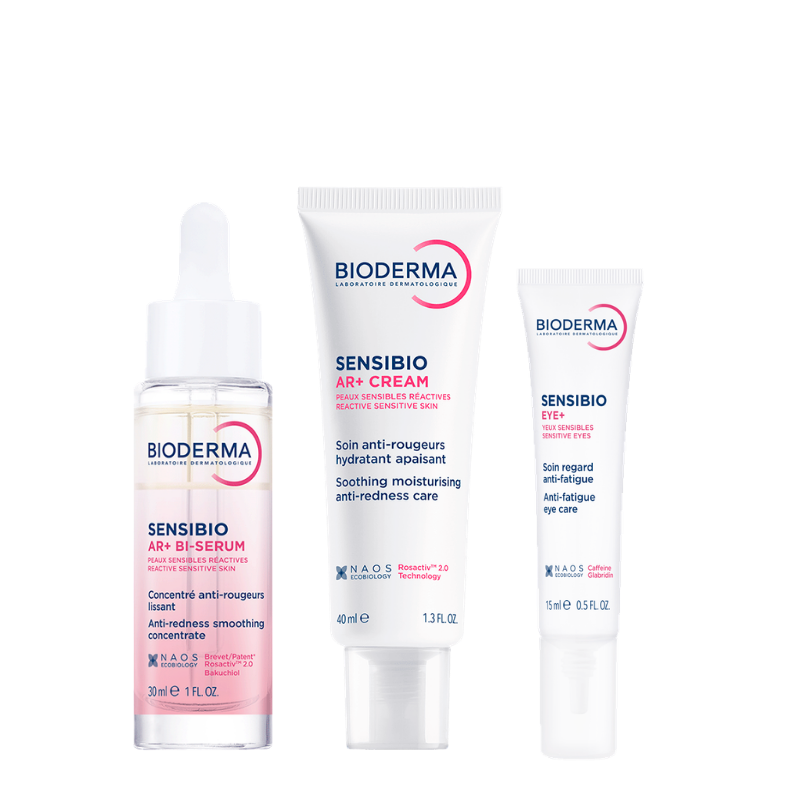
The appearance of Redness & Signs of Aging Routine was designed for this exact situation. Three products work together:


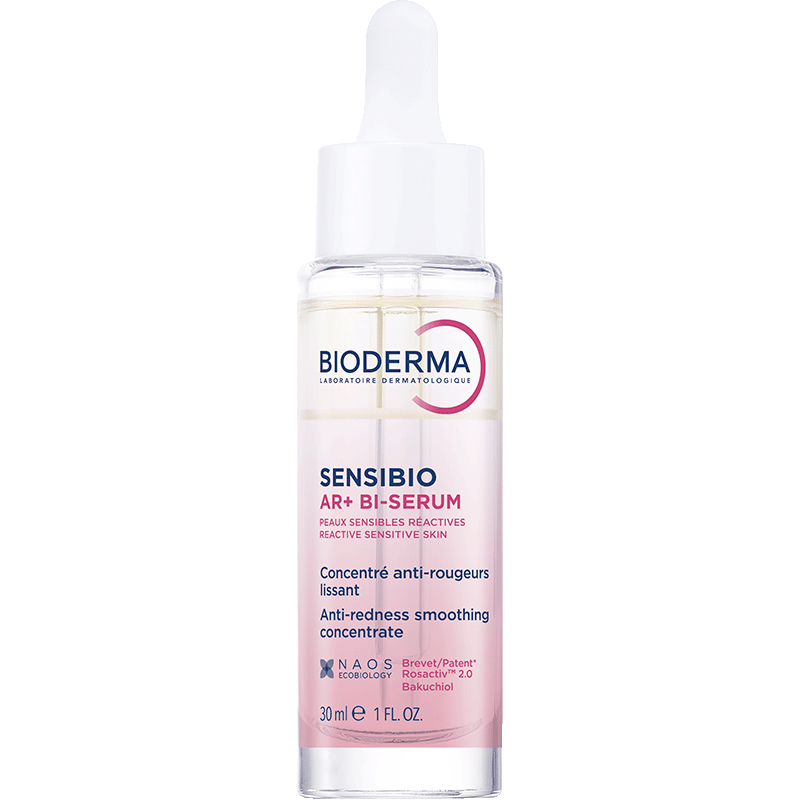
  • Sensibio AR+ Bi-Serum, a two-phase concentrate that acts as an serum which helps visibly reduce signs of aging, with visible soothing in 30 seconds and 76% reduction in the appearance of redness over 28 days. Contains bakuchiol, a plant alternative to retinol that does not irritate.

  • Sensibio AR+ Cream, helps strengthen the skin barrier the barrier with 24-hour hydration and calms reactive skin.

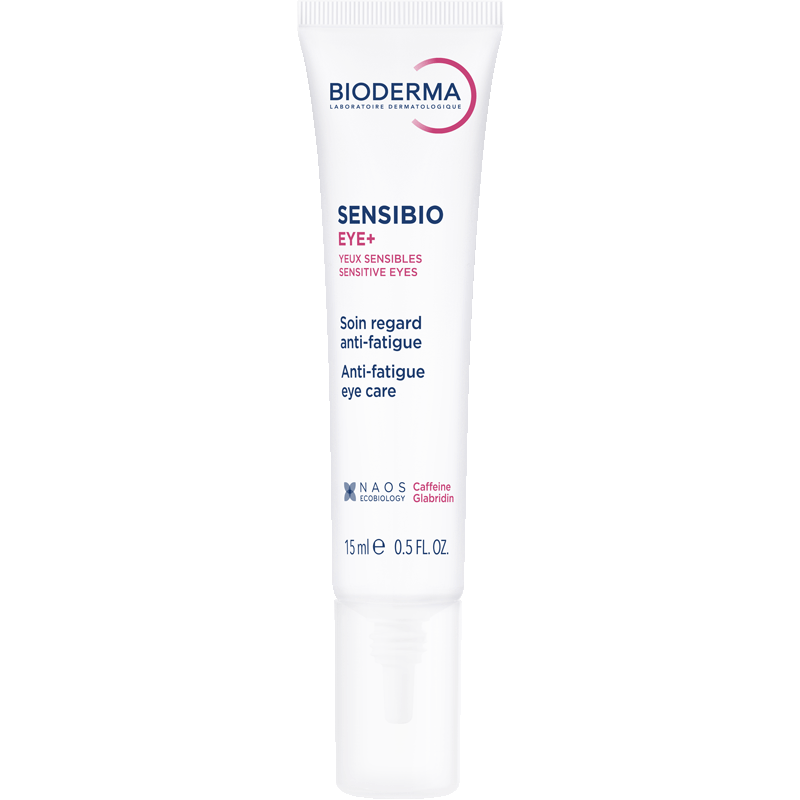
  • Sensibio Eye+, for the eye area. Clinical results: 75% less visible dark circles and 82% less puffiness.


All three follow Bioderma's ecobiological approach: working with the skin's natural tolerance instead of pushing past it. The skin can finally use its energy to repair itself, instead of constantly defending.


Common questions about inflammaging


Inflammaging is a slow, low-level inflammation that runs in the body and accelerates aging. It builds up because the immune system, with age, loses precision and stays mildly activated. The main triggers are sun, pollution, refined diets, chronic stress and an imbalanced microbiome.


No, they are two different processes, but they are closely linked and feed each other. Oxidative stress comes from free radicals, those unstable molecules produced by daily metabolism, sun exposure or pollution, that damage cells the way rust damages metal. Inflammaging is a chronic low-grade inflammation. The two work together: free radicals trigger inflammation, and inflammation produces more free radicals. That is why an effective routine acts on both, antioxidants for oxidative stress, soothing actives and barrier repair for inflammation.


The skin generally needs a minimum of 8 to 12 weeks to reflect changes in lifestyle and skincare. Some signs improve sooner: redness can fade in a few weeks with a gentler routine, the complexion looks more rested after a few good nights of sleep. Deeper changes, firmness, density, even tone, require 3 to 6 months of consistency. Lab markers of inflammation in the blood typically drop within 8 to 12 weeks of a Mediterranean diet. The key is regularity: a few weeks of effort produce little, but lasting habits produce visible and durable results.


Scientific references


  1. The Skin and Inflamm-Aging (Biology – Agrawal et al., 2023)https://pmc.ncbi.nlm.nih.gov/articles/PMC10669244/
  2. Influences on Skin and Intrinsic Aging: Biological, Environmental, and Therapeutic Insights (Journal of Cosmetic Dermatology / Wiley – Hussein et al., 2025) https://onlinelibrary.wiley.com/doi/10.1111/jocd.16688
  3. Clinical consequences of age-related skin barrier dysfunction—Part I: Structural, molecular, and physiologic changes with cutaneous aging (Journal of the American Academy of Dermatology – Wahhab et al., 2024) https://www.jaad.org/article/S0190-9622(24)02752-X/abstract
  4. IL-6 and Cardiovascular Risk: A Narrative Review (Current Atherosclerosis Reports – Mehta et al., 2024) https://pmc.ncbi.nlm.nih.gov/articles/PMC11599326/
  5. Effects of Dietary Patterns on Biomarkers of Inflammation and Immune Responses: A Systematic Review and Meta-Analysis of Randomized Controlled Trials (Advances in Nutrition – Koelman et al., 2022) https://pmc.ncbi.nlm.nih.gov/articles/PMC8803482/

Author


Content written by the BIODERMA USA editorial team and medically reviewed by Anaïs Caldirola, Medical lead at NAOS, ensuring accuracy and scientific reliability. Medical information is based on established dermatological and nutritional references.