Sagging skin is a gradual loss of firmness that affects both the face and the body with age. The dermis loses its structural support, collagen decreases, elastin breakdown accelerates, and the skin no longer bounces back as efficiently. This article explains the mechanisms behind skin laxity, identifies the areas that change first, and outlines simple, gentle methods to slow the process, especially for sensitive skin.
Sagging skin: causes, affected areas, and how to restore firmness naturally
Reading time : 8 min

Key takeaways from this guide
Two simultaneous causes. Loss of collagen and loss of deep volume work together to create sagging.
The face goes first. Cheeks, jawline and eyelids show changes before the body.
UV is the main accelerator. Roughly 80% of visible aging comes from sun exposure.
Sensitive skin reacts earlier. Chronic inflammation and a fragile barrier speed up the process.
Daily habits matter. SPF, hydration, sleep and balanced nutrition support the skin's structure.
Effective care exist. Topical care first, professional procedures when needed.
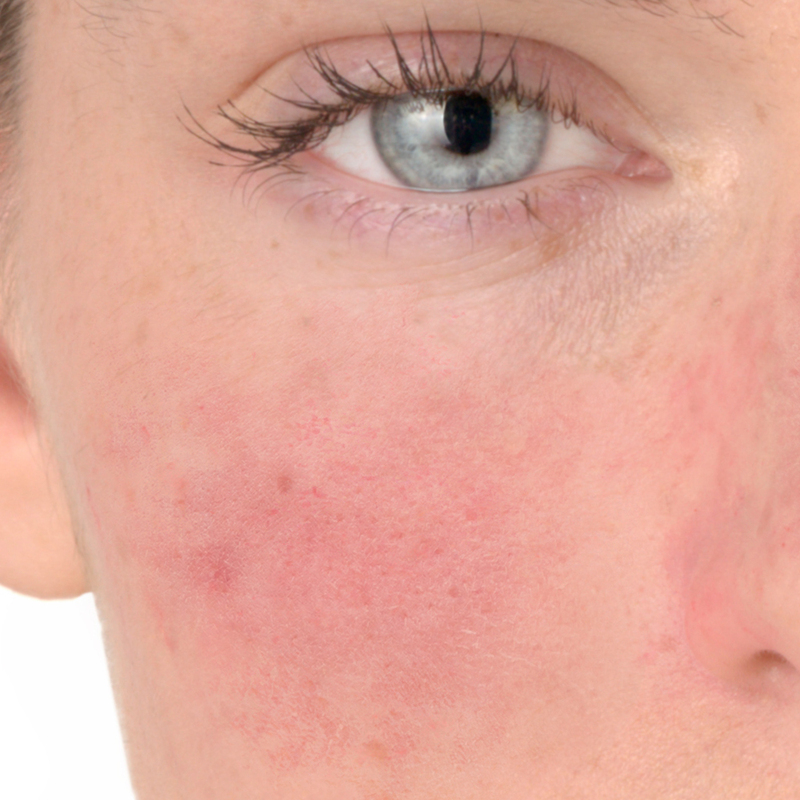
When does skin firmness start to fade?
Skin firmness depends on two structural proteins: collagen, which provides resistance, and elastin, which gives bounce. With age, collagen production gradually decreases. Elastin breakdown accelerates gradually. The dermis becomes thinner, less hydrated, and gradually loses its capacity to recover.
Behind the scenes, another less-known factor plays a major role: the loss of deep volume. Beneath the skin lie several fat compartments that give the face its youthful contour. With time, these compartments lose volume, descend, or shift. Research shows that this volume loss creates the deep creases of age more than gravity itself1. The skin thus sags from two simultaneous mechanisms: loss of structural fibers and loss of deep volume support.
Three main stages mark this evolution :
Between 30 and 40 years. First subtle changes around the eyes and along the jawline.
Around 45 years. Collagen reserves diminish noticeably, loose skin becomes more visible.
After 50 years. Deep volume loss accelerates, hollows appear, contours soften.
Several environmental and lifestyle factors push sagging forward faster :
UV exposure. Damages collagen fibers and triggers chronic inflammation.
Smoking. Restricts blood flow and stiffens the dermis.
Rapid weight changes. Stretch the skin beyond its recovery capacity.
Chronic stress. Elevates cortisol, which breaks down supportive tissues.
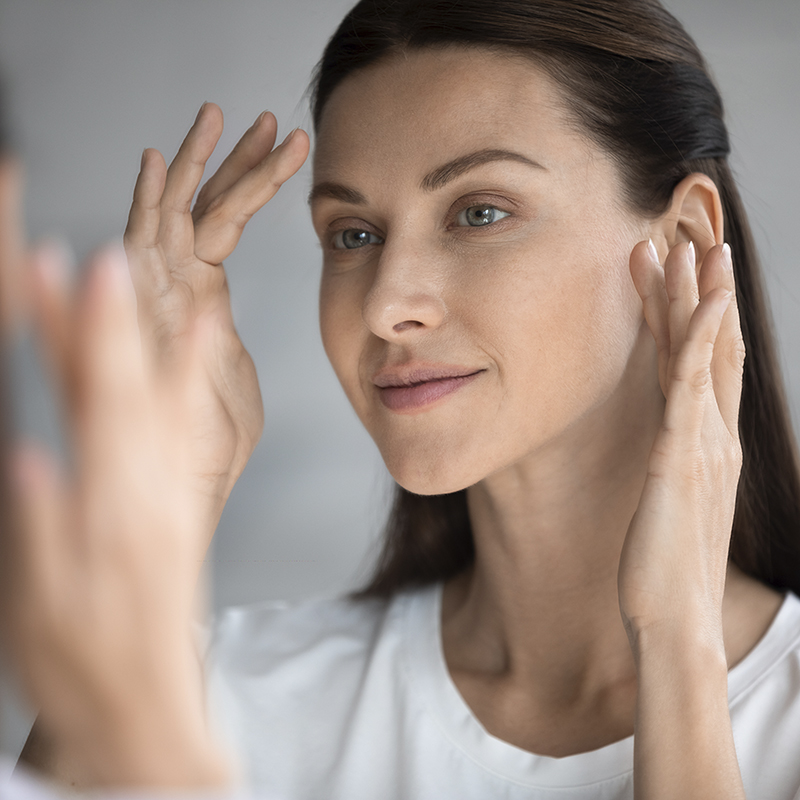
Where does sagging appear first on the face?
Facial sagging develops first in three specific zones, where skin is thinnest and most exposed to repeated movement.
The cheek is supported by several fat compartments that gradually descend. This descent creates hollows under the eyes and adds fullness along the nasolabial folds. The cheek seems to "slide down" the face, even though the skin itself has not really stretched.
The jawline loses its definition because the underlying muscle weakens, and dermal density decreases. Jowls then appear, even in people who maintain stable weight. The lack of bony support at the lower face explains why this zone shows changes earlier than the forehead.
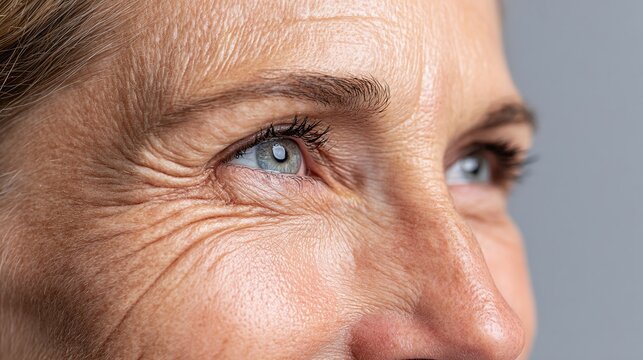
The skin around the eyes is only 0.5 mm thick, barely a quarter of the cheeks' thickness. Every blink, smile or squint adds up to thousands of micro-stresses every day. Eyelid sagging combines tissue laxity, repeated movement, and loss of underlying volume.
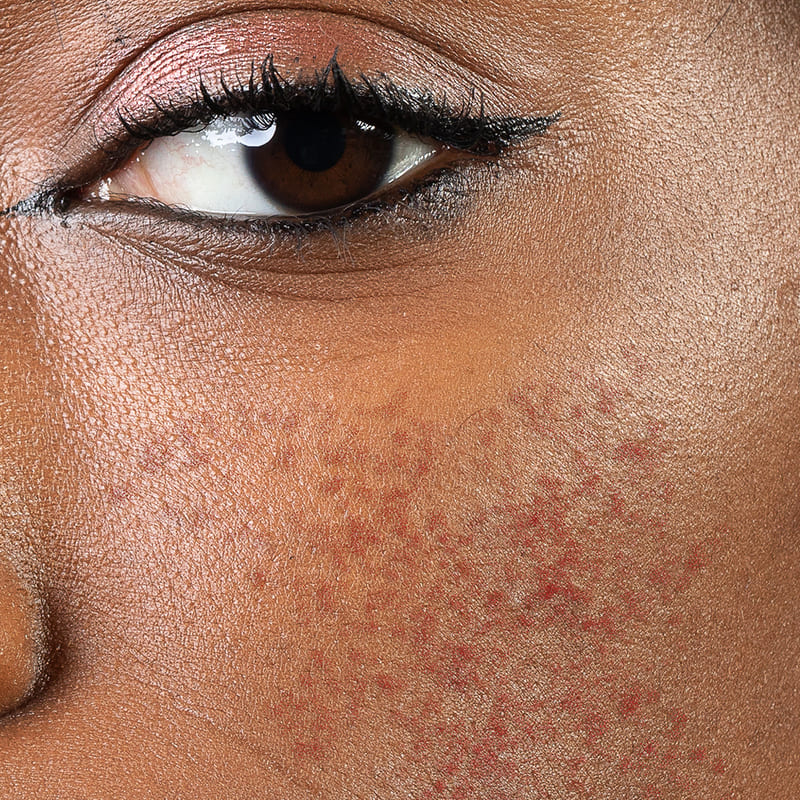
Why do the neck and décolleté show signs of sagging?
Neck and décolleté skin is naturally thinner than the face. It also contains fewer oil glands, which makes it drier and more prone to faster collagen depletion. Two specific factors aggravate the process.
Modern screen habits create constant downward pressure on neck tissues. This position compresses the front of the neck and stretches the back. People who spend more than six hours a day looking at their phone or computer can develop visible neck changes up to five years earlier than those with good posture.
This area receives a lot of cumulative UV exposure: low necklines, beach days,outdoor activities. Yet it is rarely included in daily skincare routines. Yet sun exposure seems to be responsible for around 80% of visible aging signs2. Vertical wrinkles, slack skin, brown spots: the décolleté is often a faithful mirror of past sun habits.
.jpg)
How does sagging affect arms, stomach and skin after weight loss?
Body sagging follows different mechanics than the face. Three areas are most often concerned.
The skin on the upper arms can become loose, especially if the underlying triceps muscle has weakened. Resistance training rebuilds this muscular support, which improves the visual aspect of the area without making the skin itself reappear tighter.
Pregnancy and significant weight changes stretch the abdominal skin beyond its elastic limit. After delivery or weight loss, the skin may not retract fully, particularly when the stretching has lasted several months.
After major weight changes, the skin has approximately 18 to 24 months to adapt through naturally renewal. Younger people see better retraction because their activity remains high. After age 40, this recovery capacity diminishes significantly. The slower the weight loss, the better the skin can keep up.
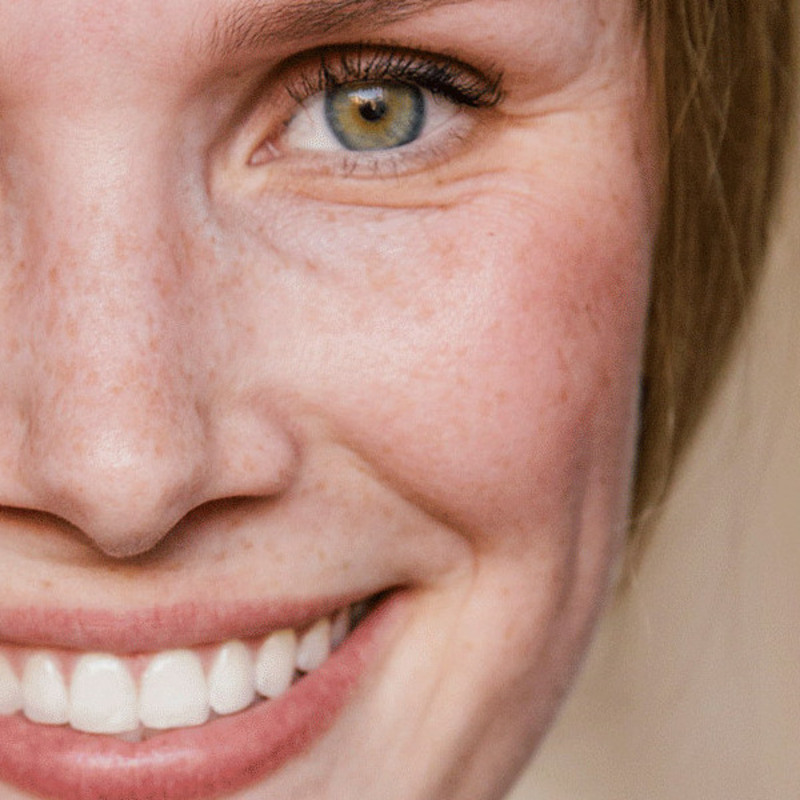
Why do some areas sag faster than others?
Sagging never affects the body uniformly. Three anatomical factors explain the difference.
The eyelids, with their 0.5 mm of skin, are four times thinner than the cheeks. Less material means less resistance. Conversely, the back of the body or the forehead, which have thicker skin and bone support, sag much later.
Areas firmly attached to bone, like the forehead, resist longer because ligaments hold the tissues in place. Conversely, the inner thighs, the upper arms or the lower face have little or no underlying bone support: gravity pulls more freely on the soft tissues.
Well-irrigated areas receive more nutrients and oxygen, essential for collagen production. The face benefits from rich blood circulation, which explains why it often keeps its firmness longer than the extremities.
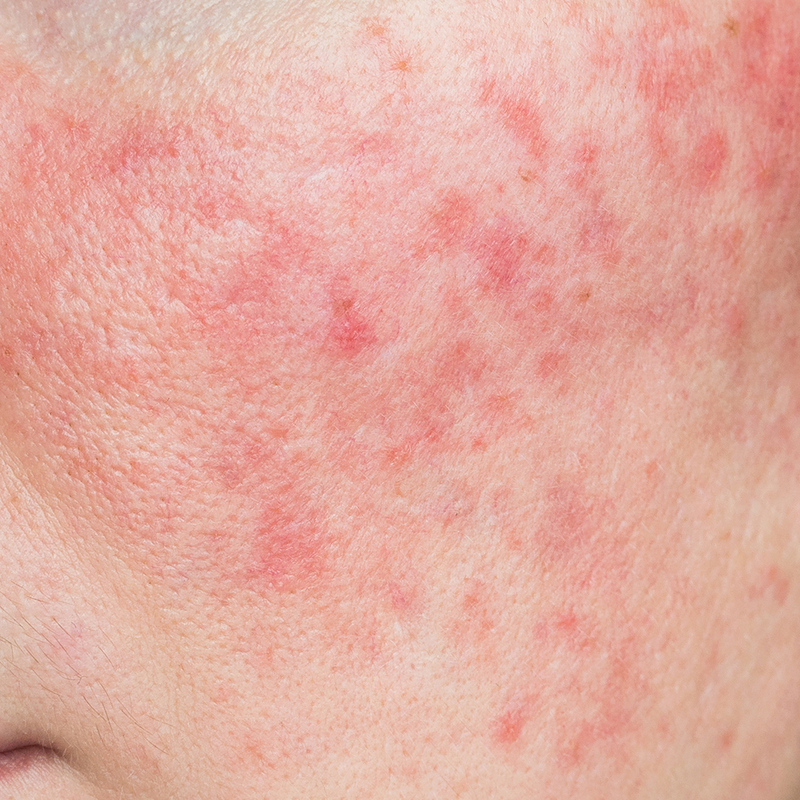
Why does sensitive skin age and lose firmness differently?
Sensitive skin develops sagging signs earlier because its barrier is already fragile. Aging is associated with significant changes to skin structure and function, which directly affect how well the skin can defend itself⁴. Result: water leaves the skin faster, the dermis stays drier, and dehydrated skin loses its structural volume.
Reactive skin goes through frequent inflammatory episodes, triggered by products, stress, weather. This is what is sometimes called inflammaging, a chronic low-level inflammation. Each episode releases molecules that break down the building blocks of the dermis, which leads to wrinkles and sagging skin5. On reactive skin types, this process is almost continuous.
Sensitive skin loses water faster through the surface. This permanent dehydration immediately reduces plumpness, and over the long term limits the activity of the cells that produce collagen. Loss of skin elasticity then becomes visible earlier than on resilient skin types.
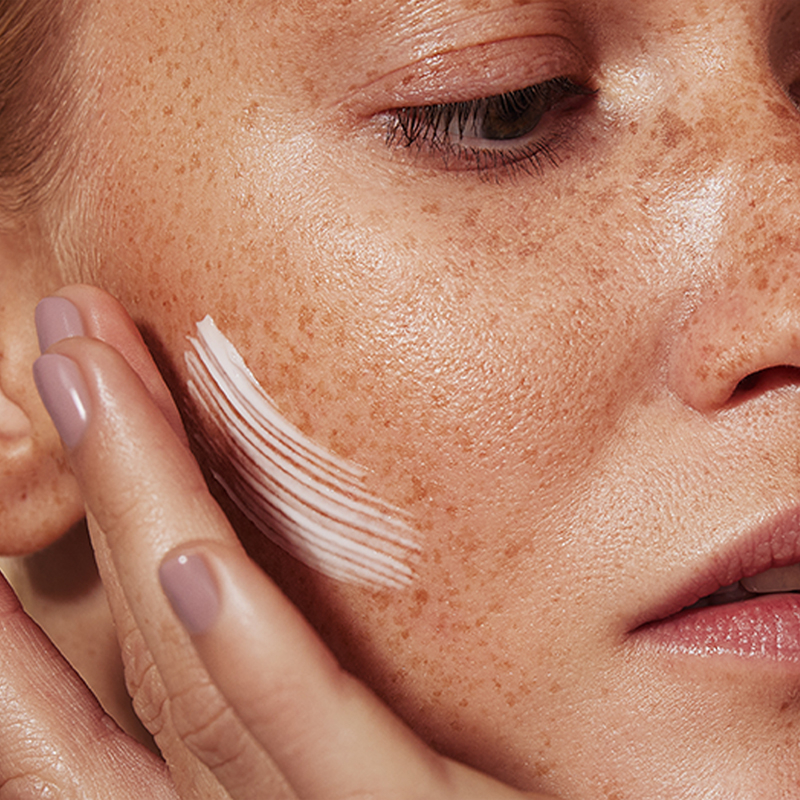
How can daily habits restore firmness gently?
Natural ways to firm the skin work by supporting its biological processes rather than forcing them. The effects appear gradually over several months, but they last.
Three documented ingredients are particularly useful :
Retinoids (vitamin A derivatives) gradually stimulate collagen production. To introduce slowly on sensitive skin, or replace with bakuchiol.
Vitamin C protects existing collagen and supports new synthesis.
Peptides send a signal to the cells that produce structural fibers, to increase their activity.
Hyaluronic acid and ceramides keep the skin hydrated. A well-hydrated dermis maintains its volume better and resists the mechanical stress of facial movements better.
The body needs specific nutrients to produce collagen :
Quality proteins (eggs, fish, legumes) for amino acids.
Vitamin C (citrus fruits, kiwi, peppers) essential for synthesis.
Copper and zinc (seeds, nuts, oysters) cofactors of cellular activity.
Antioxidants (berries, leafy greens) protect existing fibers.
Sleep allows the release of growth hormone, essential for tissue repair. Stress management lowers cortisol. Avoiding premature aging triggers, smoking, excessive sun exposure, preserves the skin's existing structures.
Smoking deserves special attention: research shows that chronic smoking significantly increases the stiffness of both the dermis and the epidermis3. Quitting smoking, even later in life, improves skin quality measurably.
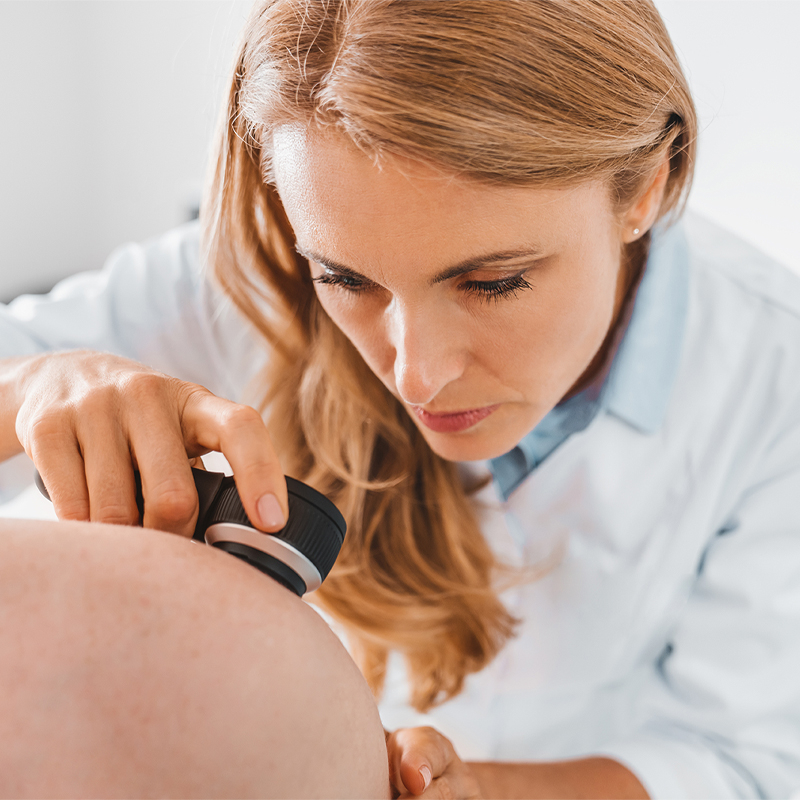
When should you talk to a dermatologist?
Professional consultation becomes useful in several specific situations :
After 6 months of consistent skincare without visible improvement.
Sudden or asymmetric sagging that does not match the natural aging pattern.
Suspicion of a contributing factor (thyroid, hormones, nutrition, medication).
Desire to discuss medical-grade options (prescription retinoids, in-office procedures).
Beyond topical care, several professional approach target sagging :
Radiofrequency. Heats deep skin layers to stimulate collagen production.
Microneedling. Creates micro-injuries that trigger natural skin renewal.
Ultrasound therapy. Reaches the supporting fascia beneath the dermis.
No topical product or non-invasive care fully reverses advanced sagging. A dermatologist helps clarify what each method can really achieve based on the skin's condition, age, and the extent of laxity. Combining medical approach with daily skincare always gives the best results.
.jpg)
How can sensitive skin be supported during these structural changes?
Reactive skin needs a measured approach when firmness starts to decrease. Adding aggressive anti-aging ingredients without first calming inflammation often backfires. The strategy: strengthen the barrier first, then introduce targeted care.
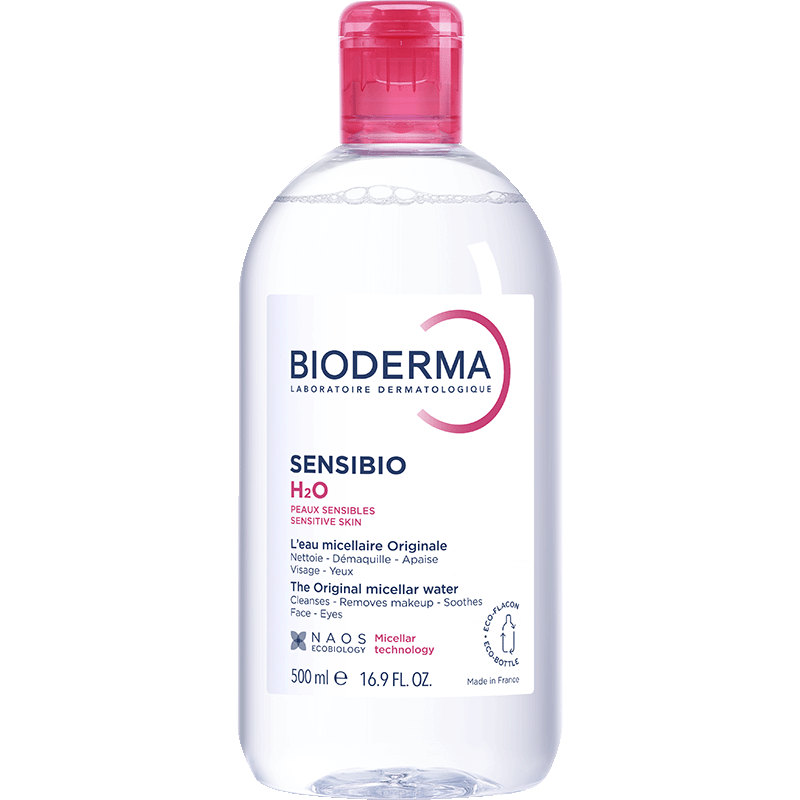
A micellar water for sensitive skin removes impurities and pollution without disrupting the protective barrier. The micelles trap dirt by simple contact, no rubbing or rinsing required. This gentle cleansing step helps maintain skin comfort and supports a clean, refreshed-looking complexion.
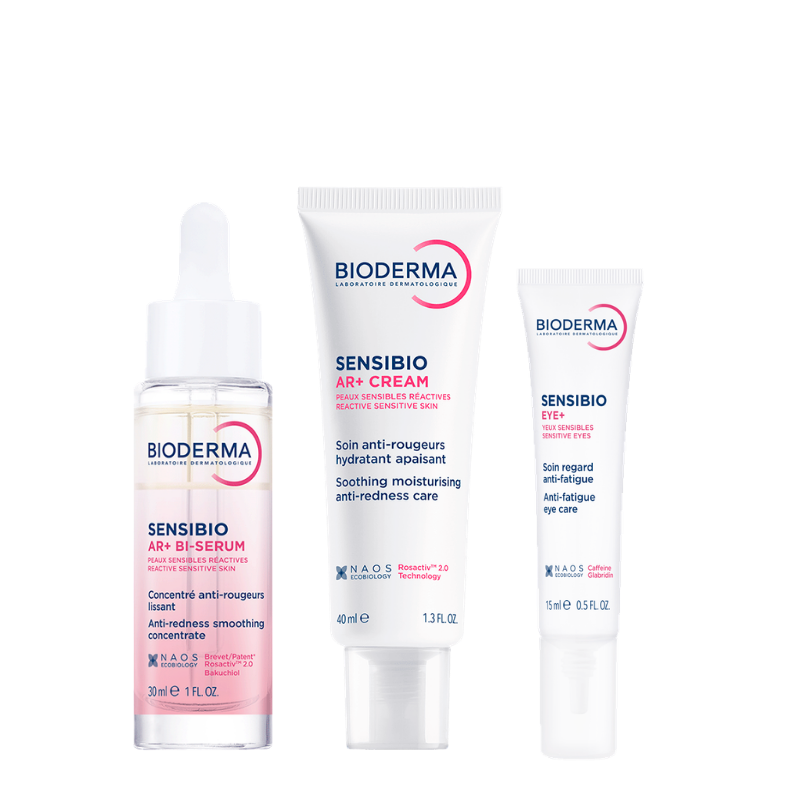
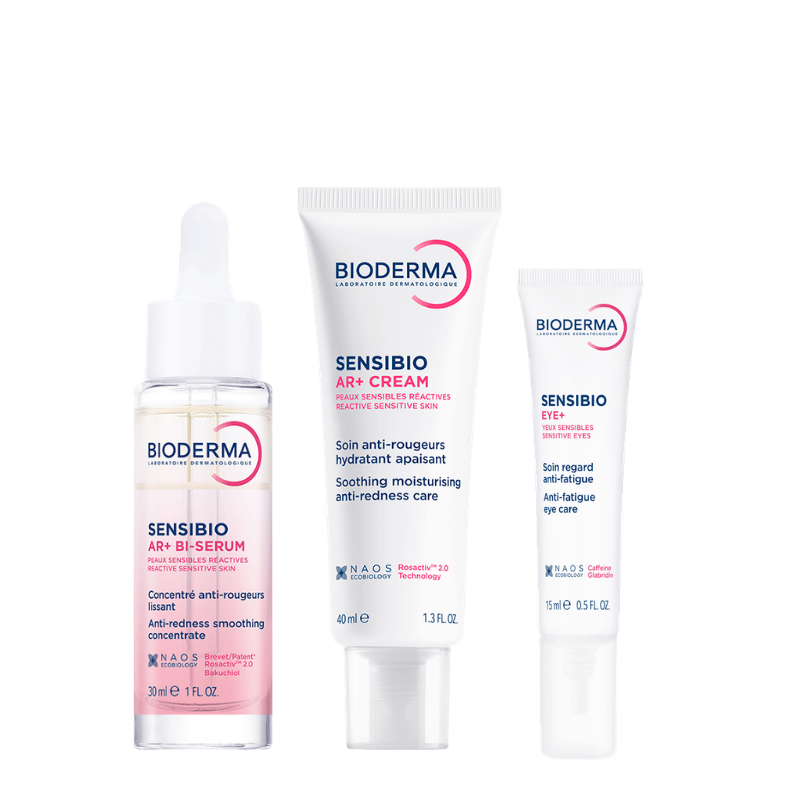
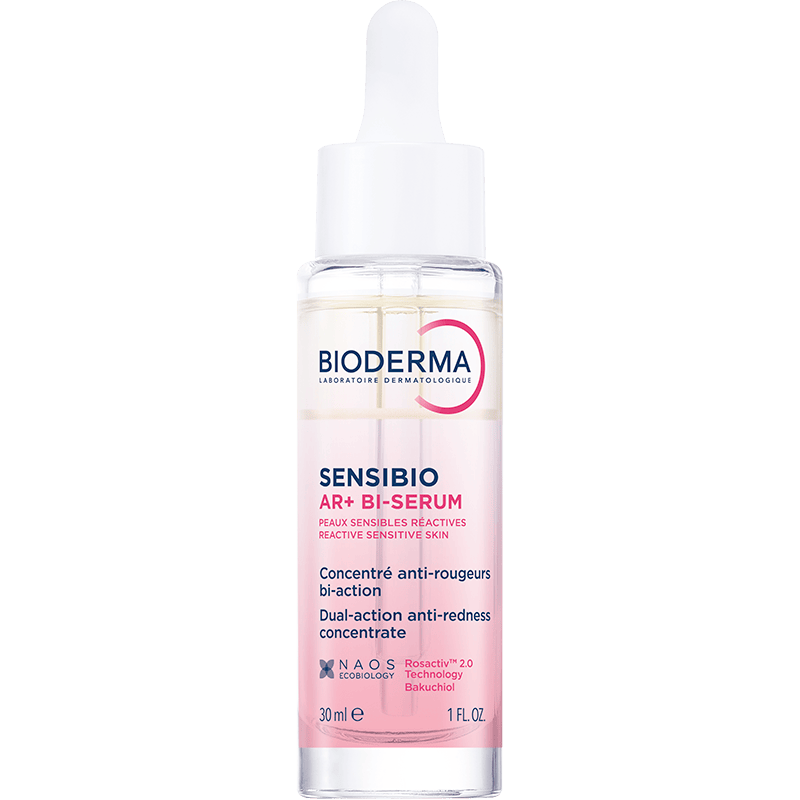
Many people with sensitive skin see redness intensify as firmness declines. Skin can also appear more reactive and less even when exposed to environmental stressors. The Sensibio AR+ Bi-serum combines soothing ingredients with ingredients that support dermal density, without triggering sensitivity.
For a complete approach, the Sensibio appearance of redness & signs of aging routine combines cleansing, targeted care and help barrier reinforcement. This layered strategy respects the skin's tolerance while addressing visible changes in tone and firmness over time.
Common questions about sagging skin
Sagging skin results from several simultaneous mechanisms: progressive loss of collagen, breakdown of elastin fibers, descent of underlying fat compartments, and the constant pull of gravity on weakened tissues. UV exposure, smoking, weight changes, chronic stress and genetics all contribute to firmness loss over time.
The jawline shows sagging signs early for two main reasons: it lacks bony support, unlike the forehead, which is firmly attached to bone, and it contains mobile fat compartments that descend with age. Add to this the constant facial movements (chewing, talking, expressions) and it becomes the natural starting point of facial sagging.
Sensitive skin experiences chronic low-grade inflammation that continuously breaks down collagen. Its weakened barrier also allows for increased water loss, which reduces dermal volume and limits the activity of the cells responsible for new collagen production. Combined, these two factors make sagging signs appear earlier than on resilient skin types.
Scientific references
- The Clinical Importance of the Fat Compartments in Midfacial Aging (Plastic and Reconstructive Surgery, Global Open – Wan et al., 2014) https://pmc.ncbi.nlm.nih.gov/articles/PMC4174112/
- Effect of the sun on visible clinical signs of aging in Caucasian skin (Clinical, Cosmetic and Investigational Dermatology – Flament et al., 2013) https://pmc.ncbi.nlm.nih.gov/articles/PMC3790843/
- The systemic influence of chronic smoking on skin structure and mechanical function (Journal of Pathology / Wiley – Langton et al., 2020) https://pathsocjournals.onlinelibrary.wiley.com/doi/10.1002/path.5476
- Clinical consequences of age-related skin barrier dysfunction—Part I: Structural, molecular, and physiologic changes with cutaneous aging (Journal of the American Academy of Dermatology – Wahhab et al., 2024) https://www.jaad.org/article/S0190-9622(24)02752-X/abstract
- Influences on Skin and Intrinsic Aging: Biological, Environmental, and Therapeutic Insights (Journal of Cosmetic Dermatology / Wiley – Hussein et al., 2025) https://onlinelibrary.wiley.com/doi/10.1111/jocd.16688
Author
Content written by the BIODERMA USA editorial team and medically reviewed by Anaïs Caldirola, Medical lead at NAOS, ensuring accuracy and scientific reliability. Medical information is based on established dermatological and nutritional references.
You will surely be interested in

.jpg)
%20(1).jpg)