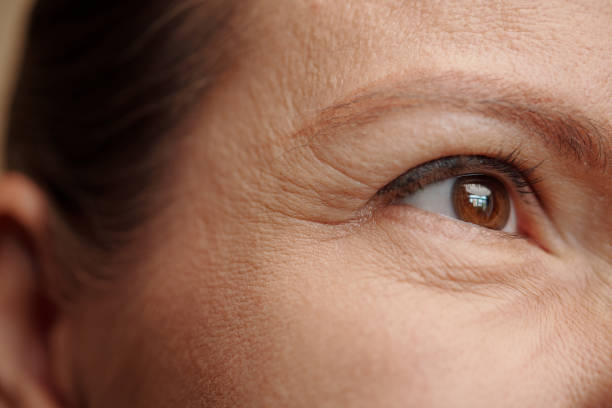



Frown lines are the vertical creases that form between the eyebrows, often called "the 11s". They appear because tiny muscles contract thousands of times a day, while the skin's natural support gradually weakens. This article explains how these expression lines form, why they appear earlier on sensitive skin, and how to soften them with a gentle routine.
How to take care of frown lines (“11s”)?
Reading time : 8 min
Key takeaways from this guide
Specific muscles cause them. The corrugator and procerus muscles contract every time you concentrate or squint.
Dynamic, then static. Lines first appear during expression, then become permanent.
Modern habits worsen them. Screens, stress, sun, side sleeping all amplify the process.
Sensitive skin reacts sooner. A weakened barrier and chronic inflammation accelerate line formation.
Gentle alternatives exist. Peptides, niacinamide, hydration, for skin that does not tolerate retinol.
Targeted cares exist. Topical care first, professional procedures when needed.
What are frown lines, the "11s" between the eyebrows?
Frown lines are the vertical creases that appear between the eyebrows, often called "the 11s" because of their parallel shape. They form in the area where the brow naturally furrows during concentration, worry or squinting. Unlike the horizontal lines on the forehead, they concentrate in a narrow vertical zone and create an impression of tension or fatigue, even when the face is at rest.
These lines start as dynamic wrinkles, visible only during facial movement. Over time, the combination of repeated muscle contractions and gradual collagen loss transforms them into static lines that remain visible even when the face is fully relaxed.
Which muscles carve frown lines, and why won't they stop?
Three small muscles work together to create frown lines: the corrugator supercilii, the procerus, and the depressor supercilii. Among them, the corrugator is the most active. Together, these muscles pull the eyebrows inward and downward to form vertical wrinkles between the brows1.
These muscles activate automatically in response to visual or emotional triggers. Three everyday situations make them contract repeatedly:
Screens. Concentration on small fonts, screen glare, prolonged focus.
Sunlight. Squinting outdoors when the light is bright.
Stress and concentration. Mental tension translates instantly into a furrowed brow.
The corrugator was named after the Latin word for "wrinkle", its sole function is to create these vertical folds. Modern lifestyle (screens, glare, ongoing concentration) keeps these muscles in near-permanent activity.
How do frown lines go from temporary to permanent?
Frown lines start as temporary creases. In the twenties, skin elasticity lets these lines disappear completely once the muscles relax. The dermis still contains plenty of collagen and elastin to spring back after each contraction.
Between 30 and 40, the picture changes. Each frown creates a microscopic disruption in the collagen structure. Repeated thousands of times in the same spot, these tiny disruptions add up. The skin gradually loses its capacity to fully smooth out.
This transition happens progressively. Sustained low-grade inflammation breaks down the building blocks of the dermis², while the repeated muscle movements add to this gradual structural loss. The skin produces less hyaluronic acid as well, which reduces the cushioning effect that absorbed the repeated stress. By the early forties, the vertical creases between the brows can remain visible even at rest.
Which modern habits make frown lines worse?
Long screen sessions force the corrugator muscles into a continuous state of tension. Reading small fonts, adjusting to glare, focusing on digital content for hours, all of this creates non-stop brow tension. According to the Vision Council, around 65% of Americans report symptoms of digital eye strain, which is directly correlated with deeper frown lines.
Mental stress translates into physical tension on the forehead. In stressful moments, the brow muscles contract involuntarily, often without you noticing. This continuous engagement deepens existing lines and accelerates their transition to static wrinkles.
UV rays degrade collagen and elastin, while at the same time forcing you to squint. This combined effect amplifies the damage: muscle activity rises while structural support drops. A landmark study on Caucasian skin showed that UV exposure seems to be responsible for around 80% of visible facial aging signs⁴. The glabellar area gets direct sun exposure, which makes it particularly vulnerable.
Sleeping with the face pressed into the pillow creates mechanical compression in the brow zone. This nightly pressure reinforces the existing fold patterns, especially when you always sleep on the same side.
Tobacco constricts blood vessels and reduces oxygen and nutrient delivery to the skin. Research shows that chronic smoking significantly increases the stiffness of both the dermis and the epidermis5. The repeated muscle contractions then act on a less elastic skin, which deepens the lines faster.
Why do frown lines show up earlier on sensitive skin?
Sensitive skin develops visible frown lines earlier because of chronic barrier dysfunction. Aging is associated with significant changes to skin structure and function, which directly affect how well the skin can defend itself³. Water leaves the skin faster, the dermis stays drier, and dehydrated skin shows every muscle contraction more visibly.
Reactive skin goes through frequent inflammatory episodes, triggered by environmental irritants, products, and stress. This constant low-grade inflammation breaks down collagen fibers faster than the cells can rebuild them. The repeated muscle contractions then leave more lasting marks.
Sensitive skin types often produce fewer ceramides and natural moisturizing factors, which weakens their structural integrity. The glabellar area, already exposed to intense muscle activity, becomes especially vulnerable when the protective barrier is fragile. Subclinical inflammation, invisible but real, slows down the repair of micro-damage caused by daily contractions, and lets the lines settle in earlier.
Which daily gestures help soften brow tension?
A few simple gestures, repeated regularly, help reduce muscle tension and slow the formation of frown lines.
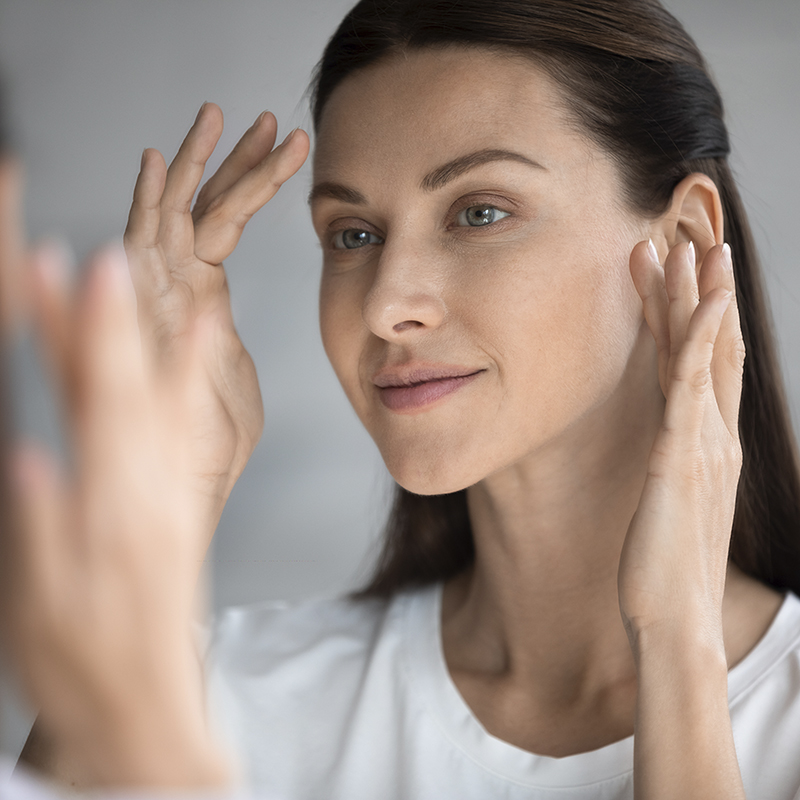
Place the fingertips horizontally across the brows and press upward gently while consciously relaxing the muscles. Hold the position for 30 seconds, breathing deeply. Repeat 3 times during the day, especially during work breaks.
Use the index and middle fingers to smooth outward from the center of the brows toward the temples. Apply gentle pressure for 10 to 15 strokes. This massage temporarily disrupts the habitual contraction pattern and improves local circulation.
Set hourly reminders to check the position of the brow. As soon as you notice furrowing, consciously release the muscles and slightly raise the eyebrows. This practice gradually retrains the unconscious muscle patterns. Brief, frequent check-ins are more effective than long, occasional sessions.
How can you build a gentle skincare routine when retinol is not an option?
On reactive skin that does not tolerate retinol, several alternatives stimulate collagen and strengthen the skin without triggering irritation.
Peptides send a signal to the skin to produce more collagen, without causing irritation. Look for formulations with palmitoyl tripeptide or acetyl hexapeptide, which specifically target expression lines. These ingredients work gradually, with visible improvement typically appearing after 12 weeks of consistent use.
This vitamin B3 derivative strengthens the skin barrier and reduces inflammation. Concentrations between 5% and 10% improve elasticity and minimize the appearance of fine lines. Particularly useful on sensitive skin showing premature signs of aging.
Hyaluronic acid and glycerin draw water into the dermis, which temporarily plumps the skin and softens the appearance of lines. Ceramides repair the barrier function and prevent the dehydration that makes frown lines more visible.
Vitamin C serums and green tea extracts neutralize the free radicals that accelerate collagen breakdown. These ingredients work synergistically with peptides to maintain skin structure while protecting against environmental damage that deepens the glabellar lines.
When should you consider professional approach?
A consistent skincare routine and lifestyle changes effectively slow the progression of frown lines. But deeper, established static lines often require additional intervention. When the vertical creases stay clearly visible after months of gentle care, several professional options become worth considering.
Botox-type injections temporarily relax the corrugator and procerus muscles, which prevents the contractions that deepen existing lines. This approach reduces the depth of static frown lines and gives the dermis a respite from repeated folding. Effects typically last 3 to 4 months.
Fillers physically fill the creased space and immediately smooth the skin surface. This option works best for moderate lines, when volume loss contributes to their appearance.
This approach stimulates collagen production in the dermis without triggering surface irritation. Particularly suited to sensitive skin types that want structural improvement. support protocols typically include 3 to 4 sessions, spaced at least 4 weeks apart, under the guidance of a board-certified dermatologist.
A consultation with a board-certified dermatologist helps determine which approach matches the skin's sensitivity, the depth of the lines, and personal preferences regarding invasiveness and maintenance.
Which gentle routine protects sensitive skin against frown lines?
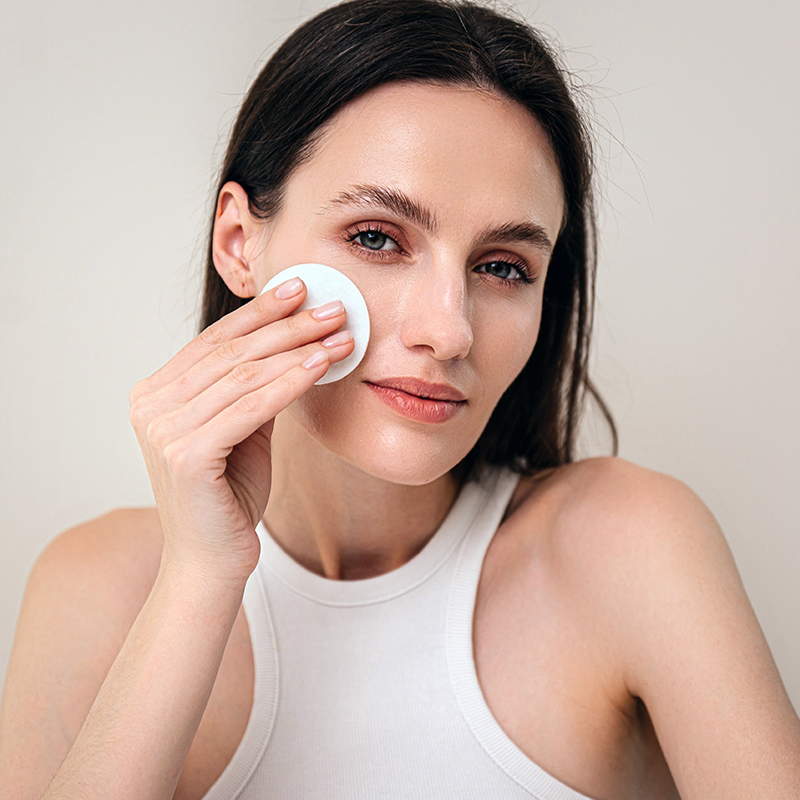
Frown line care starts before any ingredient: with the cleansing step. Traditional cleansers with soap or harsh surfactants disrupt the lipid film that keeps the dermis hydrated and protected. On sensitive skin, this disruption accelerates moisture loss and makes every line more visible.
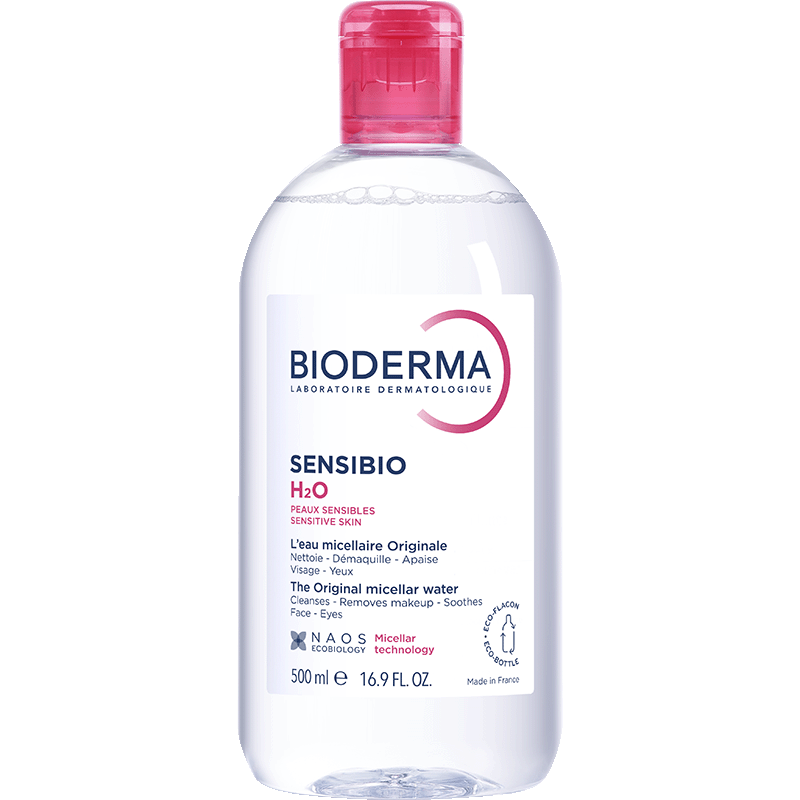
A micellar water for sensitive skin removes makeup, pollution and impurities without rubbing or rinsing. The micelles capture debris while preserving the natural protective film.
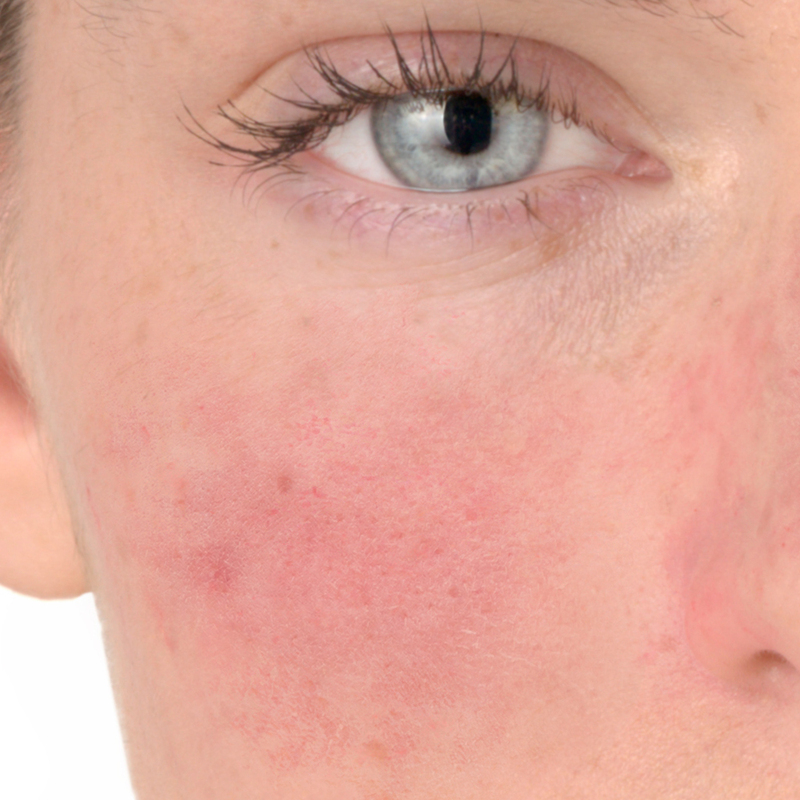
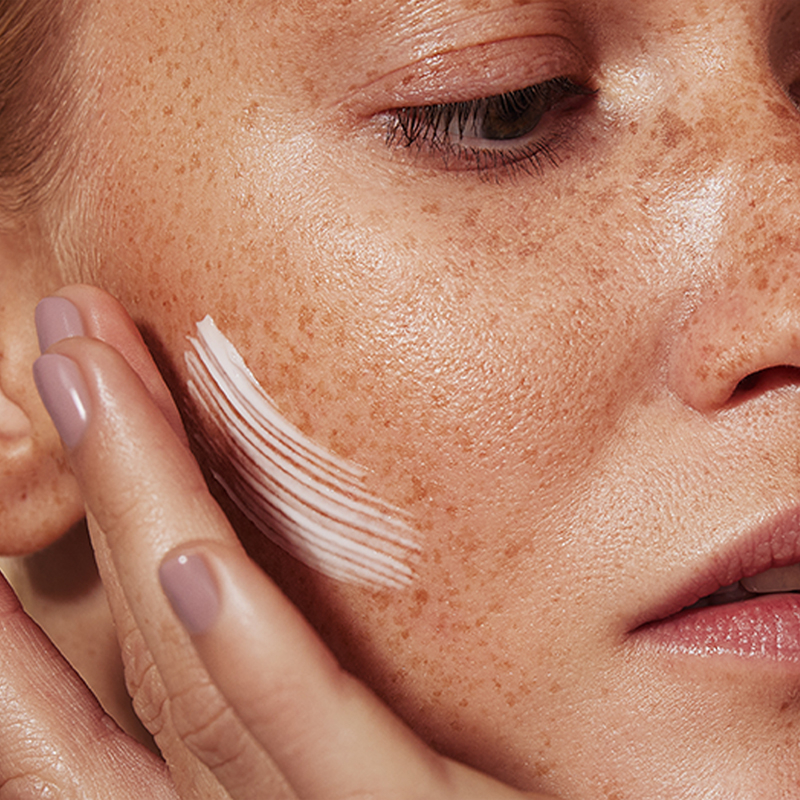
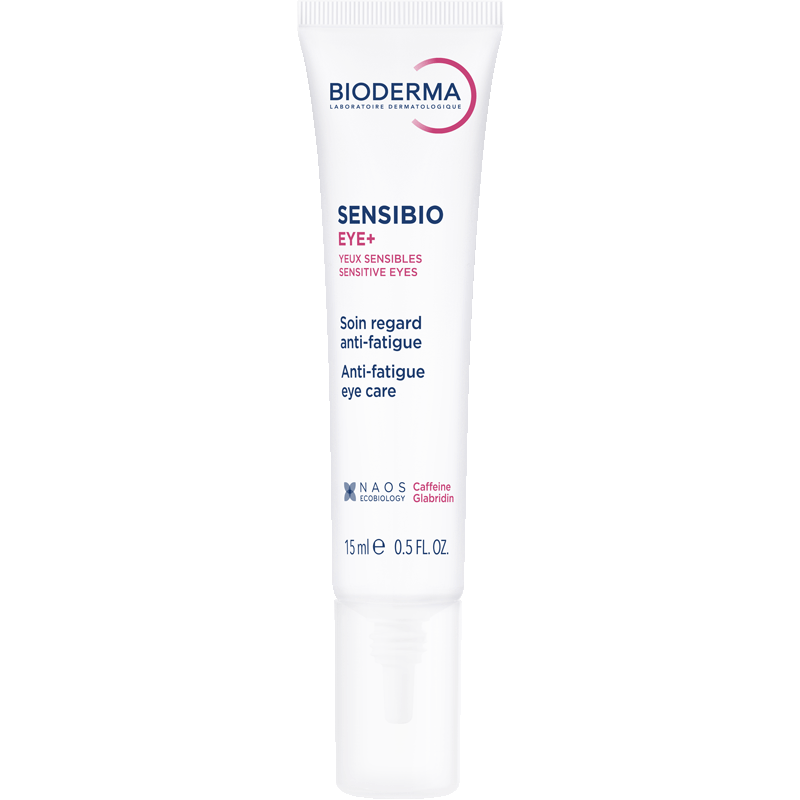
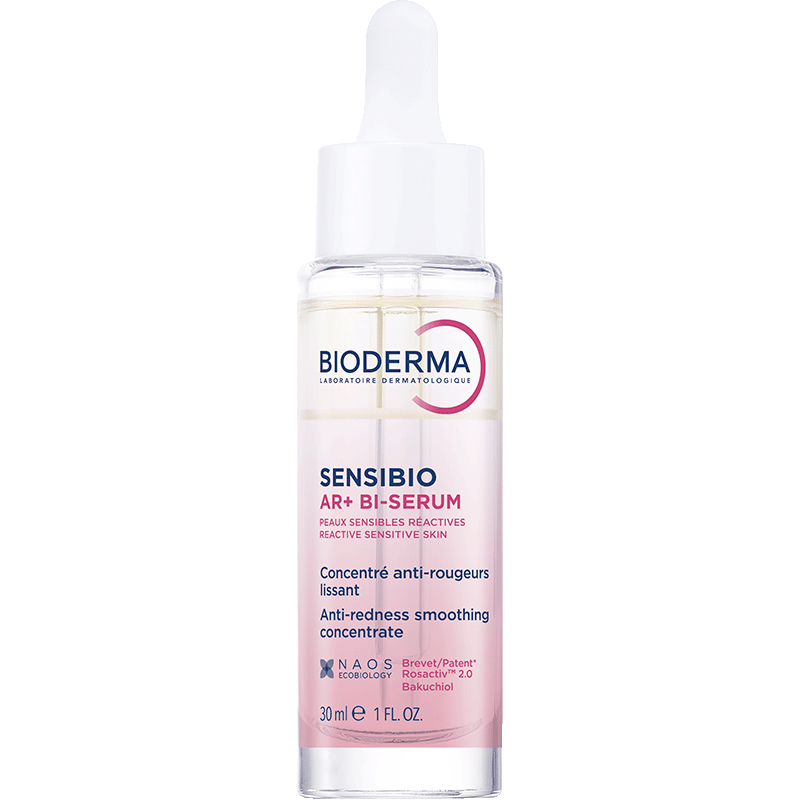
For the delicate eye area, where frown lines concentrate, a soothing eye contour cream for sensitive skin targets puffiness appearance of dark circles and fine lines while respecting the very thin skin in the glabellar zone. When visible redness accompanies expression lines, a serum that reduces the appearance of redness for sensitive skin can help provide care and hydration to maintain skin comfort and a smoother-looking appearance.
Common questions about frown lines
Frown lines form when the corrugator and procerus muscles contract repeatedly. These muscles activate during concentration, squinting, stress and various facial expressions. Combined with the natural decline in collagen, these repeated contractions transform temporary dynamic lines into permanent static lines over time.
Dynamic frown lines often become visible in the early to mid-thirties, although the timing varies based on genetics, sun exposure, the intensity of muscle activity, and skin type. People with very expressive faces or significant screen time may notice them earlier. Static lines typically settle in between 35 and 45 years old.
Peptides stimulate collagen production, niacinamide reinforces the skin barrier, hyaluronic acid provides deep hydration, and antioxidants like vitamin C protect against environmental damage. These ingredients work synergistically to improve skin structure and soften the appearance of lines, without causing the irritation that retinol can trigger on sensitive skin.
Scientific references
- Glabellar dynamics decoded to refine precision in botulinum toxin treatment (Journal of Cosmetic Dermatology / Wiley – Wan et al., 2024) https://onlinelibrary.wiley.com/doi/10.1111/jocd.16340
- Influences on Skin and Intrinsic Aging: Biological, Environmental, and Therapeutic Insights (Journal of Cosmetic Dermatology / Wiley – Hussein et al., 2025) https://onlinelibrary.wiley.com/doi/10.1111/jocd.16688
- Clinical consequences of age-related skin barrier dysfunction—Part I: Structural, molecular, and physiologic changes with cutaneous aging (Journal of the American Academy of Dermatology – Wahhab et al., 2024) https://www.jaad.org/article/S0190-9622(24)02752-X/abstract
- Effect of the sun on visible clinical signs of aging in Caucasian skin (Clinical, Cosmetic and Investigational Dermatology – Flament et al., 2013) https://pmc.ncbi.nlm.nih.gov/articles/PMC3790843/
- The systemic influence of chronic smoking on skin structure and mechanical function (Journal of Pathology / Wiley – Langton et al., 2020) https://pathsocjournals.onlinelibrary.wiley.com/doi/10.1002/path.5476
How to take care of frown lines (“11s”)?
Author
Content written by the BIODERMA USA editorial team and medically reviewed by Anaïs Caldirola, Medical lead at NAOS, ensuring accuracy and scientific reliability. Medical information is based on established dermatological and nutritional references.