Who is affected?
This sensitive skin phenomenon is frequent as it is said to affect a third of the adult population.
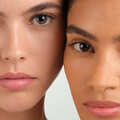
Women (60%) are more often affected than males (40%). Due to family and genetics, some people’s skin is more sensitive than others, especially fair skin. But skin color does not determine sensitivity. The frequency of this condition generally decreases with age.
Sensitive skin may or may not be combined with clinical signs of a facial condition such as rosacea, eczema or seborrhoeic dermatitis.
Not taking precautions against traditional triggering factors can cause the phenomenon to appear and worsen.
Having sensitive skin is not without psychological repercussions, because it means that simple things in life can be disrupted by these reactions. It is also more complicated to treat sensitive skin dermatological problems because local treatments are generally poorly tolerated.
What are the 4 recommendations for sensitive skin?
Visit your dermatologist so he/she may identify factors that cause your skin to react or make it worse and give you appropriate advice.
The doctor will examine you to rule out rosacea, eczema or seborrhoeic dermatitis as causes of your cutaneous hypersensitivity; these would require special treatment.
Everyday
All sources of aggression should be limited:
- Exposure to cold;
- Irritating products and damaging cosmetic products (aggressive cleansers, scrubs, inappropriate creams, etc.);
- For men, inappropriate products and not enough time when shaving (hair should be in contact with warm water for at least three minutes to soften it);
- The sun’s harmful effects on the skin increase its sensitivity (use a good photoprotection product).
Cleansing
Use a limited number of soothing cosmetic products.
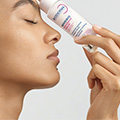
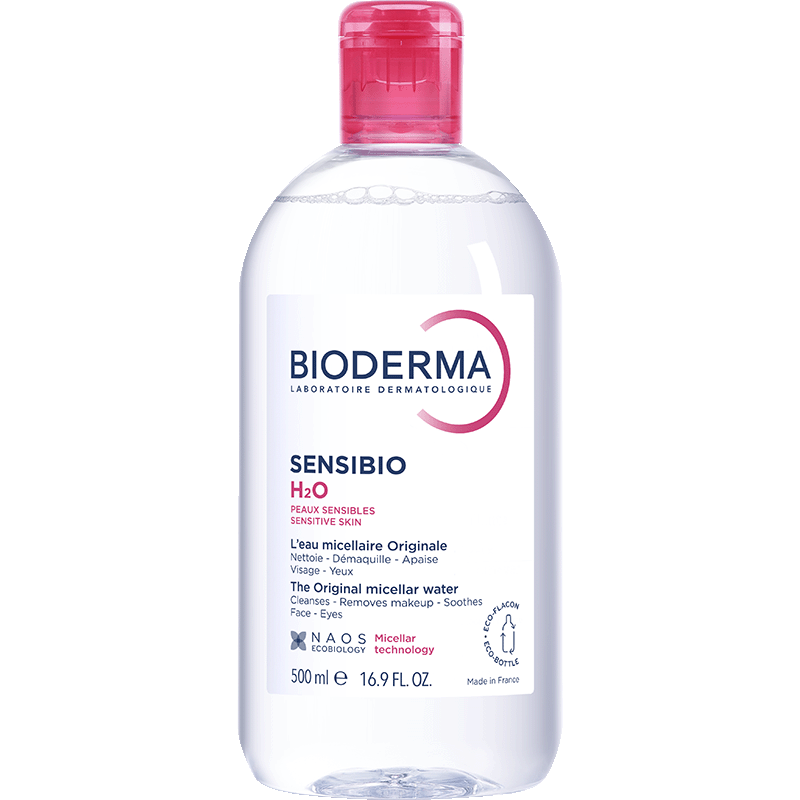
Wash your face with an ultra-high-tolerance soothing cleansing product, preferably one that is no-rinse, fragrance-free, preservative-free and surfactant-free.
Be very careful when drying your face. Lightly pat instead of rubbing.
Skincare
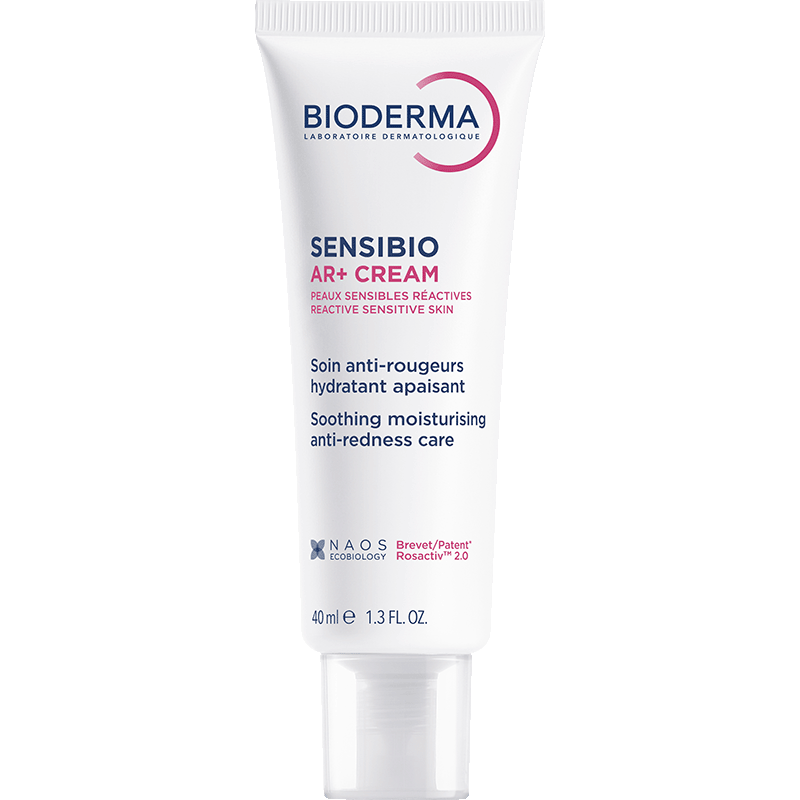
Once or twice a day, gently apply an ultra-high-tolerance treatment (fragrance-free, preservative-free, surfactant-free) that fights skin reactions.
Once or twice a week, gently apply an intense moisturising treatment (mask).
Make-up should also be limited and chosen with care.