


LABOR DAY: 10% OFF WITH 1 | 15% OFF WITH 2 | 20% OFF WITH 3+ SHOP NOW

Skin sensitivity after surgery: how long it lasts and how to restore comfort

Reading time : 5 min

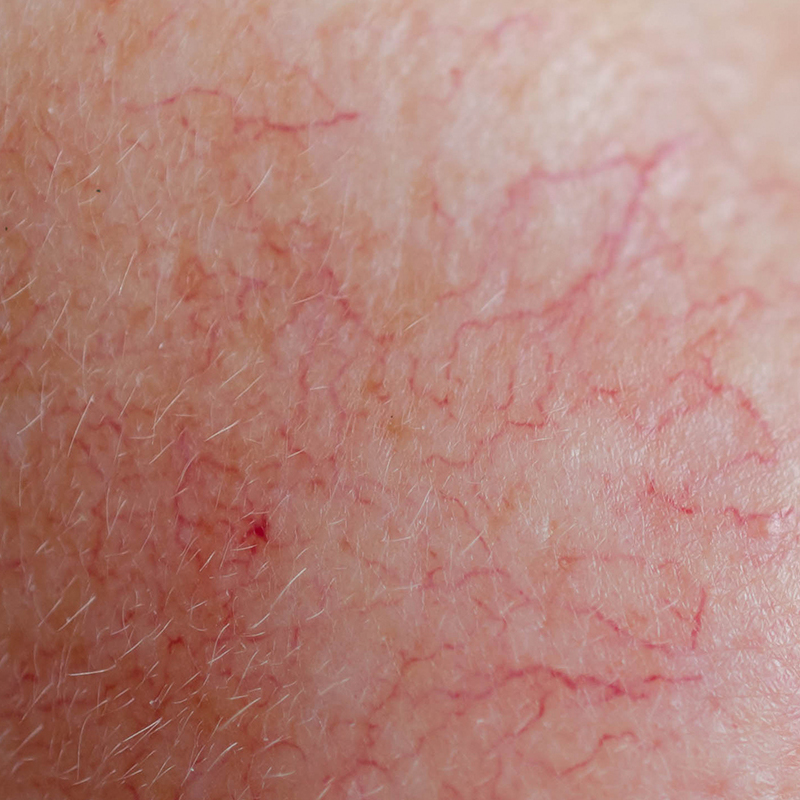
After surgery, the skin begins a recovery process that goes far beyond visible wound healing. Sensory symptoms such as pain, numbness, or heightened sensitivity may persist beyond the early recovery phase when peripheral nerves are affected. 1 Touch, clothing, or temperature changes may suddenly feel uncomfortable around the operated area.


This post‑surgical sensitivity is not unusual. Medical literature shows that 30–50% of patients experience post‑operative pain or sensory discomfort when nerve fibers are affected during surgery2. Most of the time, these sensations are temporary and reflect the way the skin, nerves, and tissues gradually regain balance as healing continues beneath the surface.


Understanding why skin may feel reactive after surgery helps normalize these sensations and supports a calmer, more confident recovery. 
sensitive skin image


Key takeaways from this guide


  • Skin sensitivity after surgery is common and usually temporary 
  • Discomfort may persist even after the skin looks healed 
  • Nerves and skin tissues recover gradually, sometimes over several months 
  • Gentle habits and low‑friction skincare help support comfort during recovery


Why skin may feel sensitive after surgery

Surgery involves controlled trauma to the skin and underlying tissues. Even when procedures are carefully performed, the skin’s protective barrier and sensory network are temporarily disrupted.


After an incision, the body activates repair mechanisms that increase blood flow and inflammatory activity in the affected area. This response is essential for tissue restoration, but it also makes nerve endings more reactive. Research shows that post‑operative inflammation can extend well beyond the immediate recovery phase, influencing comfort during healing³.


As these fibers regenerate, abnormal sensations and heightened pain sensitivity may occur during recovery.4 Scientific data indicate that peripheral nerve fibers regenerate at an average rate of approximately 1 millimeter per day, explaining why sensory recovery can take weeks or months³.


How post‑surgical skin sensitivity may feel

Skin sensitivity after surgery does not feel the same for everyone, but several sensations are commonly reported.


  • Tenderness when clothing brushes the skin
  • Discomfort during cleansing or product application
  • Tingling, burning, or stinging sensations
  • Heightened sensitivity to pressure or temperature


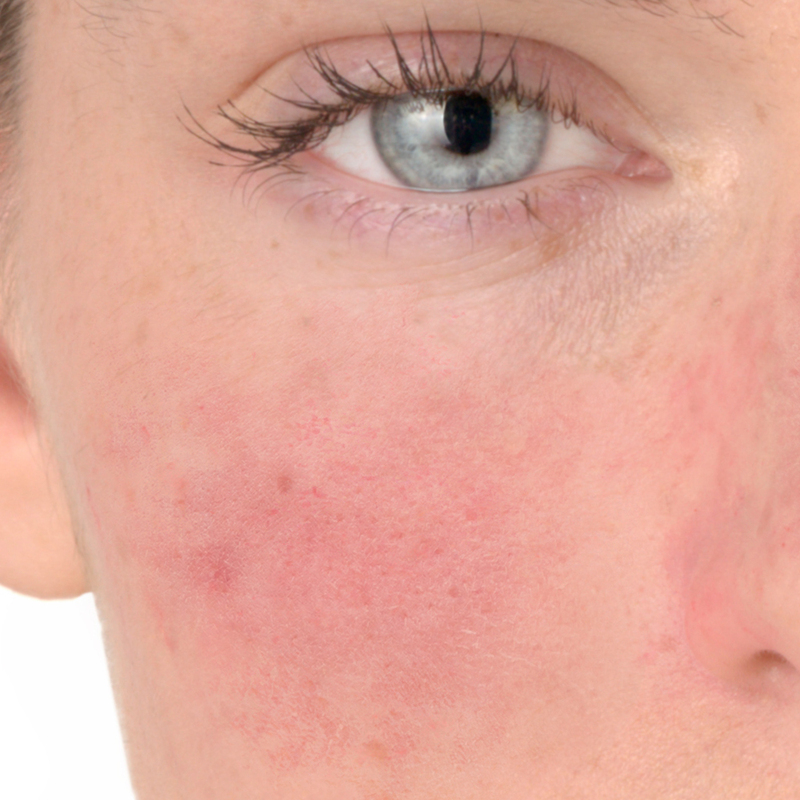
These reactions often fluctuate. Sensitivity may increase temporarily with fatigue, systemic stress, or temperature changes, then gradually soften. Clinical reviews confirm that while discomfort improves for most patients, in some cases, skin sensitivity to touch may persist for several months after surgery, depending on the type of procedure.


sensitive skin face

How long skin sensitivity after surgery typically lasts


Recovery timelines vary significantly depending on the procedure and individual factors.

During the first days and weeks after surgery, sensitivity is usually more noticeable. Inflammation and nerve activity peak during this period, making the skin feel tight, warm, or reactive.


As inflammation gradually subsides, overall comfort improves, although the operated area often remains more sensitive than surrounding skin. This phase may last several weeks.


Nerve and scar maturation take time. Medical reviews report that pain or sensitivity related to surgical scars persists in 25–68% of patients, particularly when nerve involvement is present.2 These sensations typically diminish progressively as tissues reorganize.


sensitive skin face

Factors that influence recovery


Skin sensitivity after surgery does not follow a single pattern.

Procedures involving larger incisions or deeper tissue layers tend to prolong sensitivity. Surgeries with higher likelihood of nerve disruption are more often associated with extended discomfort2.


Age, overall health status, and circulation influence nerve regeneration and healing speed. Conditions that affect microcirculation may delay sensory normalization.


Appropriate wound care reduces complications that can extend sensitivity. Persistent post‑operative inflammation has been linked to poorer patient‑reported recovery outcomes, with clinical data showing a 14.4‑point lower quality‑of‑recovery score at day 3 in patients with higher inflammatory response levels. Clinical data also show that outcomes worsen when post‑operative inflammation remains high, with up to 25.6% of patients experiencing persistent disability or death within 90 days after major surgery.


sensitive skin face

Normal sensations vs. signs that require medical advice


Most post‑surgical skin sensations fall within normal healing patterns.

  • Mild warmth or redness near the incision
  • Temporary numbness, tingling, or itching
  • Occasional brief, sharp sensations related to nerve regrowth


Consult a healthcare professional if sensitivity:


  • Intensifies instead of improving
  • Is accompanied by spreading redness, discharge, or fever
  • Becomes sharp, electric, or persistently painful over time2


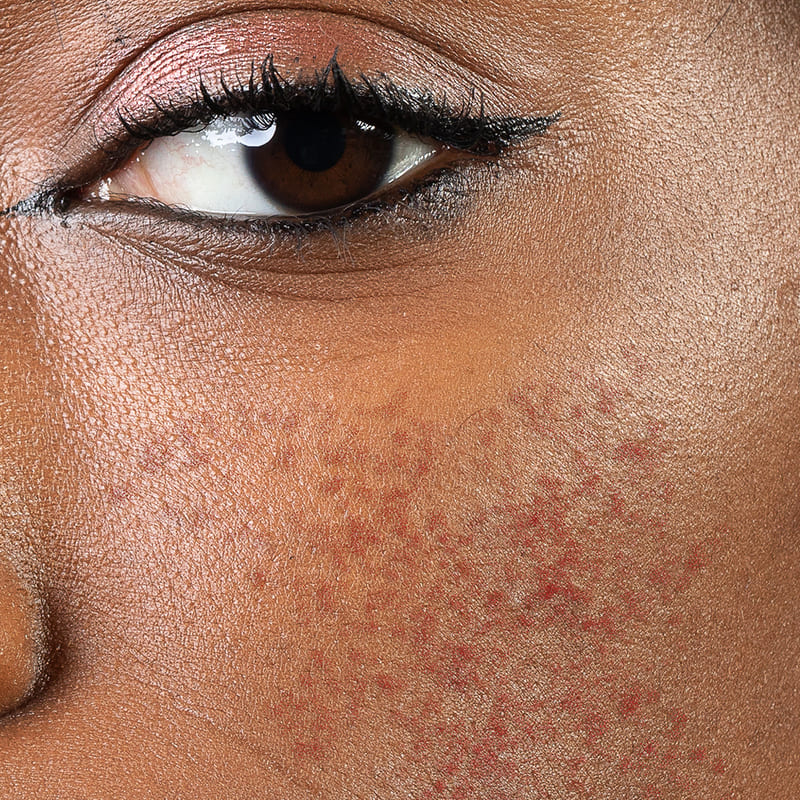
In some situations, sensitivity may also become more intense during periods of illness, when hypersensitive skin can react more strongly than usual.


sensitive skin image

How to support skin comfort during recovery?


Gentle daily habits help limit unnecessary stimulation while the skin heals.

  • Wear soft, loose‑fitting fabrics
  • Avoid friction or pressure on healing areas
  • Use lukewarm water instead of hot showers
  • Protect healing skin from extreme temperatures


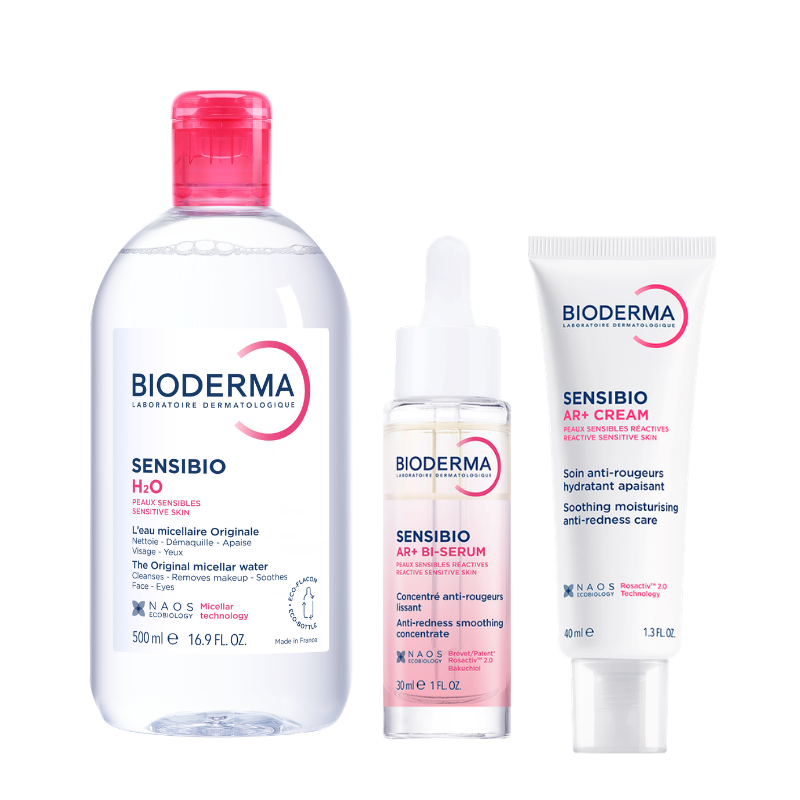
Once cleansing is permitted, low‑friction routines help maintain balance. A non‑rinsing formula such as Sensibio H2O Micellar Water helps cleanse impurities while minimizing mechanical stress on sensitive skin.


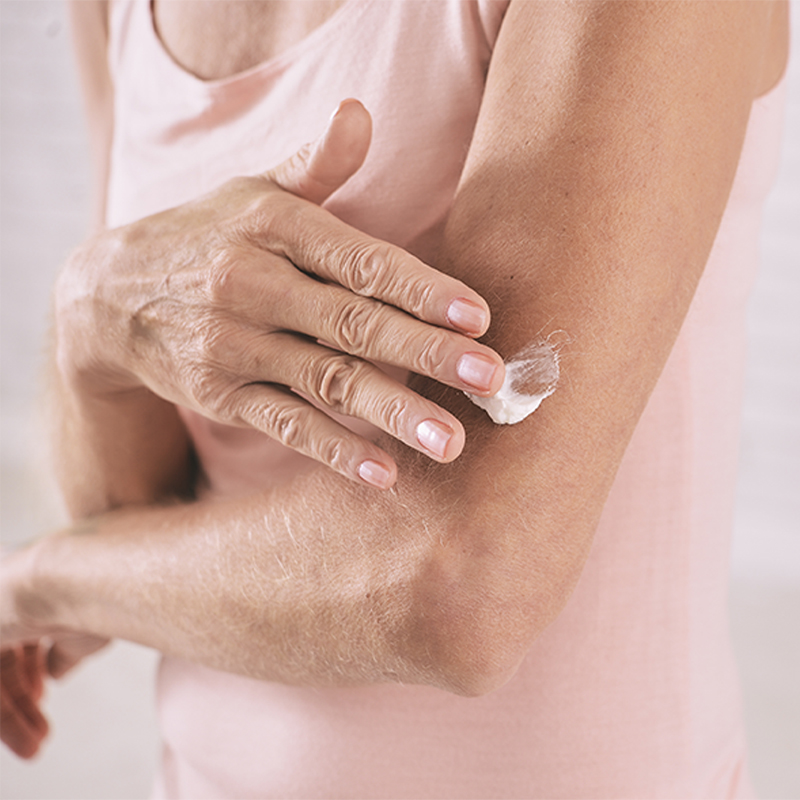
When topical care is approved by a healthcare professional, barrier‑supportive solutions such as Sensibio AR+ Cream may help support comfort when the skin feels reactive.


sensitive skin texture

How to prevent prolonged sensitivity over time?


Healing is gradual and cumulative.

Minimal routines using fragrance‑free, high‑tolerance formulas help reduce cumulative irritation.


During fatigue or illness, sensitivity thresholds may temporarily decrease. Adjusting habits during these moments supports long‑term comfort and resilience.


sensitive skin face

Moving forward with confidence


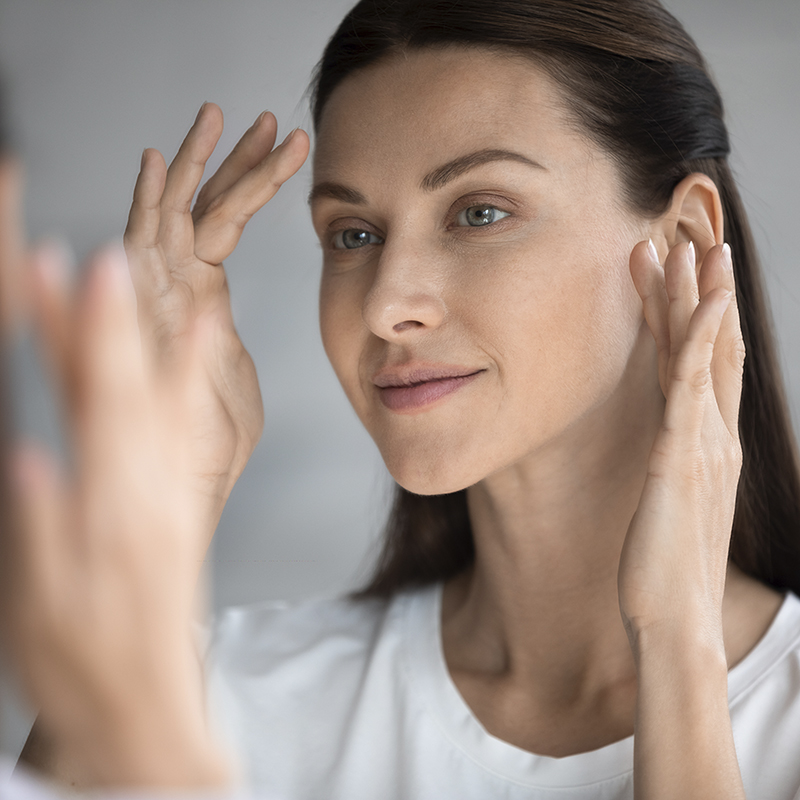
Skin sensitivity after surgery can feel unsettling, especially when discomfort appears after visible healing. In most cases, these sensations reflect ongoing repair beneath the surface rather than a complication.


By allowing time, avoiding unnecessary friction, and supporting the skin with gentle care, comfort usually returns progressively. Each recovery phase reflects the skin’s and nerves’ natural ability to reorganize and regain sensory balance over time⁵.


Scientific references


  1. Occurrence and treatment of peripheral nerve injuries after cosmetic surgeries 
    (Frontiers in Neurology – Chen Q. et al., 2023). https://www.frontiersin.org/journals/neurology/articles/10.3389/fneur.2023.1258759/full
  2. Diagnosis, Treatment, and Management of Painful Scar: A Narrative Review  
    (Journal of Pain Research – Abd-Elsayed et al., 2022) 
    https://pmc.ncbi.nlm.nih.gov/articles/PMC8994628/ 
  3. Neuroscience of Peripheral Nerve Regeneration 
    (Journal of Pharmacy and Bioallied Sciences – Paramel et al., 2021) 
    https://pmc.ncbi.nlm.nih.gov/articles/PMC8686930/ 
  4. Postoperative systemic inflammation after major abdominal surgery  
    (Anaesthesia – Bain et al., 2023) 
    https://pmc.ncbi.nlm.nih.gov/articles/PMC10952313/ 
  5. Natural history of sensory nerve recovery after cutaneous nerve injury following surgery 
    (Neural Regeneration Research – Bai et al., 2015) 
    https://pmc.ncbi.nlm.nih.gov/articles/PMC4357126/


Author

Content written by the BIODERMA USA editorial team and medically reviewed by Anaïs Caldirola, Medical lead at NAOS, ensuring accuracy and scientific reliability. Medical information is based on established dermatological and nutritional references.