


BACK-TO-SCHOOL SALE | 25% OFF SELECTED PRODUCTS + 2 FREE SAMPLES ON $75+ SHOP NOW

Hypersensitive skin when sick: causes, symptoms and comfort tips

Reading time : 5 min

When you are sick, your skin may feel tender, painful, or unusually sensitive to touch, a sensation often referred to as hypersensitive skin when sick, which can make clothing, bedding, or water feel uncomfortable.


Sensitive skin is widely reported, with global surveys indicating that around 40% of adults describe having sensitive skin¹. Illness can temporarily intensify this natural reactivity. During infection, immune activation and inflammation can briefly alter how sensory signals are processed at the skin’s surface, increasing sensitivity to everyday contact.


This temporary discomfort does not reflect skin damage and usually fades as recovery progresses. Understanding why hypersensitive skin can occur when you are sick helps put these sensations into perspective and supports a gentle, biology‑respecting approach to care while skin comfort gradually returns.
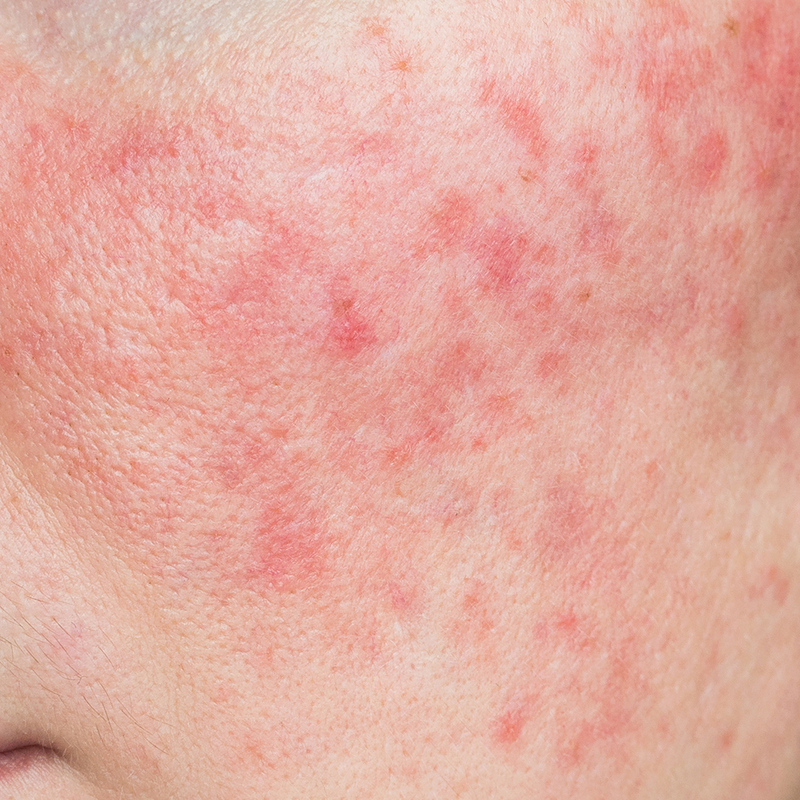
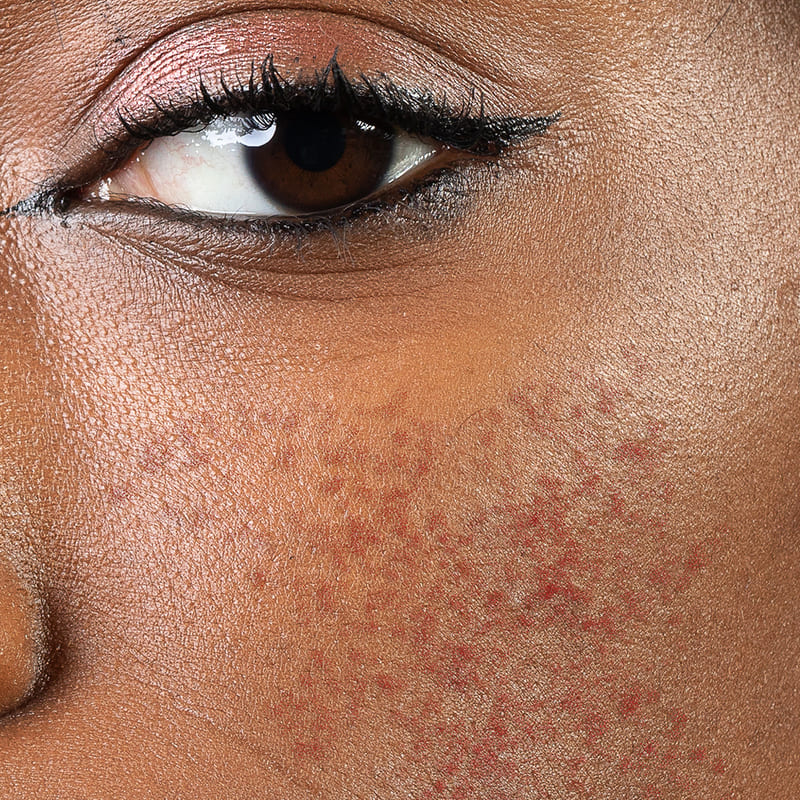


sensitive skin face

Key takeaways from this guide


  • Illness can temporarily heighten skin sensitivity through immune and nerve interactions 
  • Skin discomfort may occur without visible redness or rash 
  • General skin discomfort is reported by 18% of people with sensitive skin¹
  • Viral infections have been associated with temporary amplification of sensory sensitivity 
  • Fever, dehydration, and friction can worsen skin discomfort 
  • Symptoms usually improve as inflammation resolves 
  • Gentle habits and barrier‑respecting skincare help support comfort during recovery


Understanding why skin can become hypersensitive when you are sick


When illness strikes, the body mobilizes its immune defenses. This response goes beyond fighting infection and can influence how the body reacts to its environment. During this period, immune cells release signaling molecules such as cytokines that coordinate inflammation and recovery.


Research supported by the National Institutes of Health shows that cytokines released during infection can increase the excitability of pain‑sensing neurons, lowering the threshold at which discomfort is perceived².


As a result, the skin may temporarily react more strongly to touch, temperature, or pressure. What normally feels neutral can suddenly feel uncomfortable, even though the skin itself remains intact.


Inflammation is known to affect sensory processing. Scientific reviews report that cytokines play a central role in inflammatory and neuropathic pain by sensitizing nerve pathways during infectious or inflammatory states3. 


Histamine is another natural mediator released during immune responses. It increases blood flow in the skin and contributes to sensations such as warmth, tingling, or tenderness. Clinical research shows that histamine plays a role in inflammatory reactions and contributes to sensations such as warmth, tingling, or tenderness at the skin’s surface during immune activation⁴.


sensitive skin face


How hypersensitive skin when sick typically feels

Illness‑related skin sensitivity often has a recognizable pattern. It tends to appear suddenly, alongside other symptoms such as fever, fatigue, or body aches. Many people describe:

  • Skin that hurts or feels sore when touched, leaving the skin unusually sensitive to touch
  • A burning or warming sensation over large areas
  • Increased awareness of clothing or bedding
  • A bruised or sunburn‑like feeling without visible marks

Population surveys show that sensitive skin is reported more frequently on the face (44%) than on the body (35%), reflecting regional differences in sensory perception¹.


In large clinical surveys, temperature changes are identified as a triggering factor by 41% of people with sensitive skin, highlighting the role of thermal stress in sensory discomfort1.


According to dermatological definitions, sensitive skin is characterized by unpleasant sensations in response to normally non‑irritating stimuli, even in the absence of visible skin disease1. This explains why discomfort is often felt rather than seen.


Unlike long‑standing sensitive or intolerant skin, illness‑related hypersensitivity usually:


  • Appears quickly during infection
  • Affects larger or generalized areas of the body
  • Improves as overall health returns


Chronic skin conditions, by contrast, tend to persist and are often accompanied by visible signs such as redness, scaling, or rashes.


Viral infections are particularly associated with heightened nerve sensitivity. Post‑viral conditions, including cases described as COVID skin sensitivity, have been associated with immune‑mediated neuroinflammation and neuropathic symptoms⁵.


Why certain factors make skin sensitivity worse during illness


Several factors can intensify skin discomfort when you are sick.


Fever increases metabolic activity and inflammatory signaling, which can further sensitize nerve endings. At the same time, dehydration reduces skin flexibility and hydration, making contact feel more direct and uncomfortable.


Acute inflammatory states combined with barrier disruption can exacerbate discomfort in already reactive skin.


Dry air, temperature extremes, and friction from clothing or bedding are often less well tolerated during illness. When skin sensitivity thresholds are lowered, even minor physical stimuli can feel amplified.


Certain medications can contribute to dryness or altered sensory perception. Disrupted routines, reduced hydration, or harsher cleansing habits during illness may also indirectly affect skin comfort.


sensitive skin texture


Gentle ways to support skin comfort while you recover


When skin feels hypersensitive during illness, the goal is not to intervene aggressively, but to reduce unnecessary stimulation and support the skin barrier.

Helpful measures include:


  • Wearing soft, loose‑fitting clothing made from natural fibers
  • Keeping indoor temperatures moderate
  • Using a humidifier when air is dry
  • Choosing lukewarm water rather than hot
  • Patting skin dry gently instead of rubbing


Keeping routines minimal allows the skin to conserve energy while the body focuses on recovery.


sensitive skin face


Choosing skincare that respects reactive skin


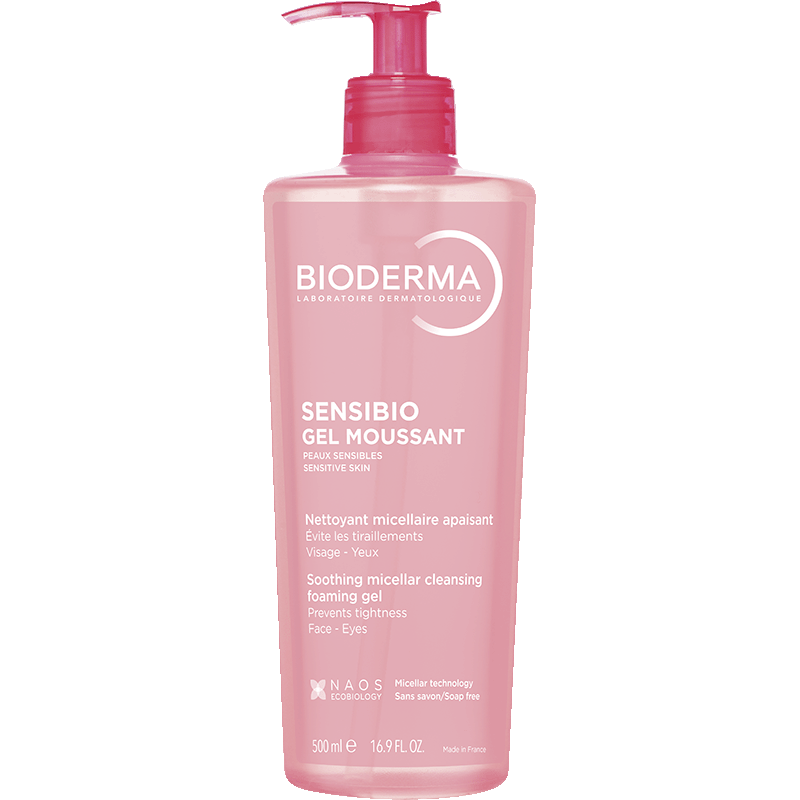
During this phase, gentle cleansing and hydration are key. Low‑friction, fragrance‑free products such as Sensibio H2O Micellar  Water help remove impurities without overstimulating sensitized skin. When hypersensitivity is accompanied by visible redness, fragrance‑free moisturizers such as Sensibio  AR+ Cream help support skin comfort and barrier integrity.


Simplified routines using high‑tolerance formulations help maintain comfort while the skin’s tolerance threshold is temporarily reduced.


sensitive skin image


When hypersensitive skin during sickness deserves medical attention


In most cases, hypersensitive skin improves gradually as health returns. You should notice increasing tolerance to touch over several days to one or two weeks.


In some cases, sensory symptoms may persist beyond the acute illness phase.


Medical advice is recommended if:

  • Sensitivity persists beyond two weeks after other symptoms resolve
  • Visible skin changes such as rash or blistering appear
  • Pain becomes severe or localized
  • Sensations worsen rather than improve

Persistent or worsening symptoms may indicate a different cause requiring evaluation.


sensitive skin face

Supporting skin as balance returns


Experiencing hypersensitive skin when sick can feel unsettling, but it is usually temporary. It reflects the body’s active immune response rather than lasting skin damage. As inflammation decreases, sensory balance typically returns.


With hydration, gentle habits, and barrier‑respecting care, skin comfort follows the body’s natural healing timeline calmly and progressively.


Scientific references


  1. Diverse & Inclusive Understanding of Sensitive Skin: A worldwide profiling 
    (Journal of the American Academy of Dermatology – Berlin et al., 2024) 
    https://www.jaad.org/article/S0190-9622(24)01773-0/fulltext 
  2. Cytokine and Chemokine Regulation of Sensory Neuron Function 
    (Handb Exp Pharmacol – Miller et al., 2009) 
    https://pmc.ncbi.nlm.nih.gov/articles/PMC2746245/ 
  3. Neuraxial Cytokines in Pain States 
    (Frontiers in Immunology – Gonçalves Dos Santos et al., 2020) 
    https://pmc.ncbi.nlm.nih.gov/articles/PMC6997465/ 
  4. Role of Histamine in Modulating the Immune Response and Inflammation 
    (Mediators of Inflammation – Branco et al., 2018) 
    https://pmc.ncbi.nlm.nih.gov/articles/PMC6129797/ 
  5. Exploring viral neuropathic pain: Molecular mechanisms and therapeutic implications (PLoS Pathogens – Xu et al., 2024) https://pmc.ncbi.nlm.nih.gov/articles/PMC11309435/


Author

Content written by the BIODERMA USA editorial team and medically reviewed by Anaïs Caldirola, Medical lead at NAOS, ensuring accuracy and scientific reliability. Medical information is based on established dermatological and nutritional references.