




BACK-TO-SCHOOL SALE | 25% OFF SELECTED PRODUCTS + 2 FREE SAMPLES ON $75+ SHOP NOW

What causes skin sensitivity after COVID‑19?

Reading time : 5 min

senstive skin face

Skin sensitivity after COVID‑19 is a common but often overlooked experience. Many people report tenderness, burning sensations, or pain triggered by light touch—even when the skin looks completely normal. Clothing, water, or temperature changes that were once well tolerated may suddenly feel uncomfortable.

These changes do not reflect visible skin damage. Instead, post‑COVID skin sensitivity is linked to temporary changes in how the immune and nervous systems interact during and after viral infection. Inflammation and nerve signaling can briefly alter how the skin processes everyday sensations.
 

Understanding why the skin becomes sensitive after COVID‑19 helps put these symptoms into perspective—and supports a gentle, biology‑respecting approach to care, as sensory balance gradually returns.
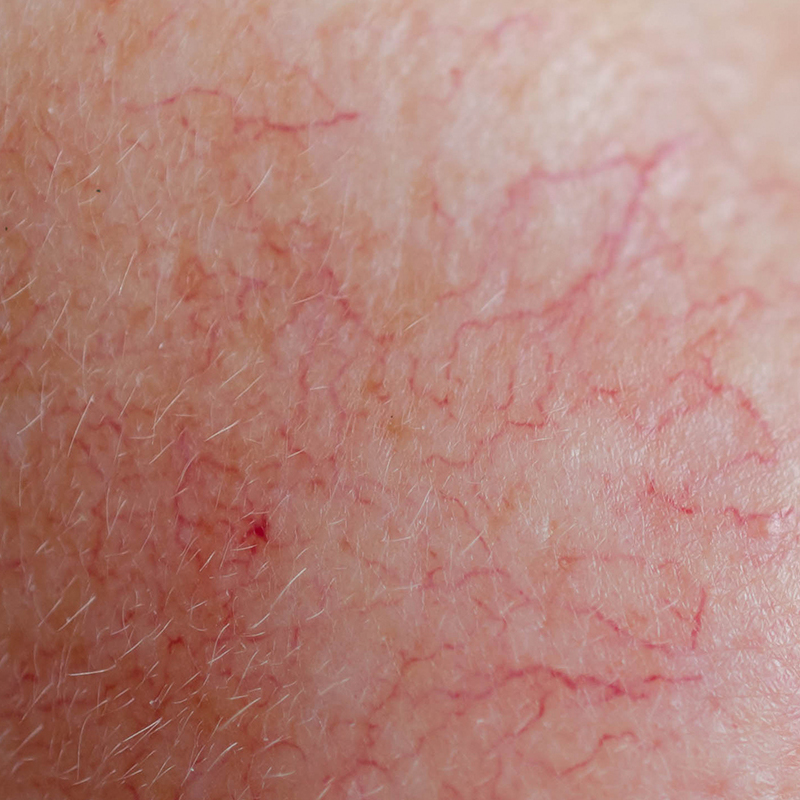


sensitive skin face

Key takeaways from this guide


  • Post‑COVID skin sensitivity reflects temporary nerve and immune activation 
  • Skin pain or burning can occur without visible irritation or rash 
  • This sensitivity differs from long‑term sensitive skin or dermatitis 
  • Heightened reactivity is often triggered by touch, friction, or temperature changes 
  • Symptoms usually improve as inflammation and nerve signaling normalize 
  • Gentle cleansing and barrier‑supportive care help calm reactive post‑viral skin

sensitive skin image

How COVID‑19 alters skin sensation


During a COVID‑19 infection, the immune system activates a cascade of inflammatory signals to help the body respond to the virus. These messengers play an essential role in recovery, but they can also influence how sensory information is processed in the skin².


As a result, the skin may become temporarily more reactive. Sensations that are normally well tolerated—such as light touch, friction from clothing, or changes in temperature—can suddenly leave the skin unusually sensitive to touch, despite the absence of visible skin changes. Scientific literature shows that COVID‑19‑related neuropathic pain can be acute or appear in a delayed phase, several weeks or months after infection¹.


This pattern reflects a functional change in skin sensation, rather than structural damage to the skin itself. Similar temporary reactions can occur during other illnesses, which helps explain why some people experience hypersensitive skin when sick.


Covid skin sensitivity explained: painful skin After COVID‑19

Why skin can feel painful after COVID‑19


Skin discomfort after COVID‑19 is increasingly understood as a form of post‑viral sensory sensitivity. Rather than resulting from injury to the skin, it involves temporary changes in how sensory nerves transmit signals to the brain.


A large scientific review found that nerve‑related pain was reported by 6.7% of patients during acute COVID‑19, and by 34.3% of individuals experiencing long COVID¹. These data help explain why burning, tenderness, or skin pain may occur even after other symptoms have improved.


In the majority of cases, these sensations gradually ease as inflammation settles and nerve signaling returns toward baseline.

Covid skin sensitivity explained: painful skin After COVID‑19


When normal touch feels uncomfortable


Some individuals describe their skin as feeling bruised, sore, or sunburn‑like despite looking completely normal. This experience is known as allodynia, a condition in which normally non‑painful stimuli are perceived as uncomfortable or painful.
 

Clinical research shows that nerve-related pain after COVID-19 varies widely, with reported prevalence ranging from 0.4% to 25% of patients, depending on the study and the phase of illness³. This variability helps explain why post‑COVID skin sensitivity does not follow a single, uniform pattern.
 

sensitive skin face


Common signs of post‑COVID skin sensitivity


People experiencing post‑COVID skin sensitivity may notice:

  • Tender or sore areas that shift over time

  • Burning or warming sensations, especially with friction

  • Increased sensitivity to heat, cold, or water

  • Discomfort caused by clothing or airflow

  • Fluctuating symptom intensity from day to day

Because the skin often appears normal on visual examination, this condition is primarily experienced through sensation rather than appearance, which can make it harder to identify or describe.

sensitive skin face


Skin sensitivity vs. COVID‑related rashes


COVID‑19 can affect the skin in different ways, and it is important to distinguish between changes that can be seen and those that are felt through sensation.


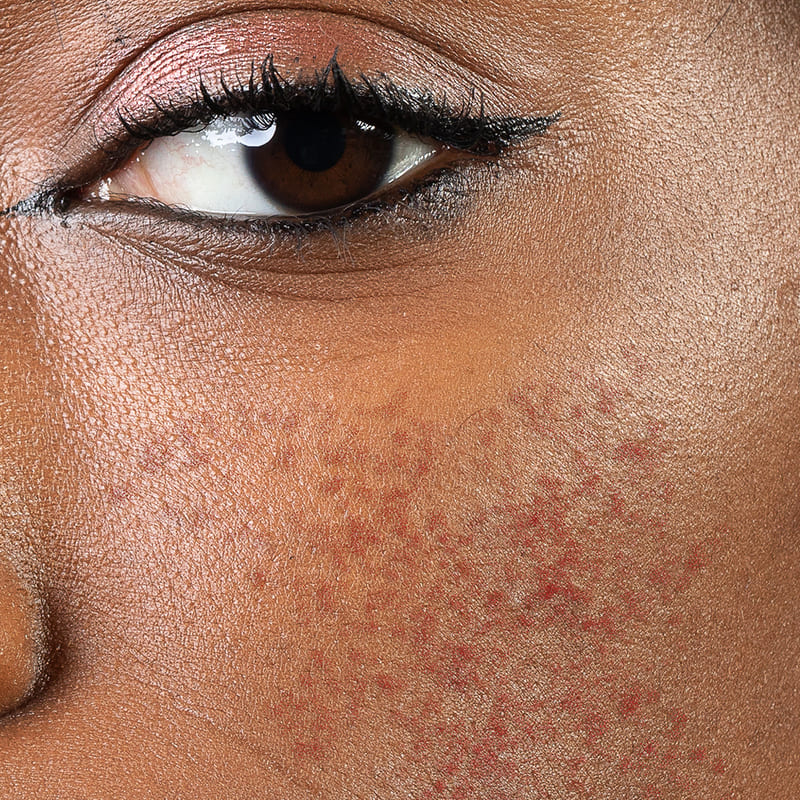
In some people, COVID‑19 is associated with visible skin changes such as hives or rashes. These manifestations involve inflammation within the skin itself and are usually accompanied by redness, swelling or distinct lesions. In an international dermatology registry, the most common visible COVID‑19‑related skin manifestations were morbilliform rashes (22%), pernio‑like lesions (18%) and urticarial eruptions (16%).⁴ 
 

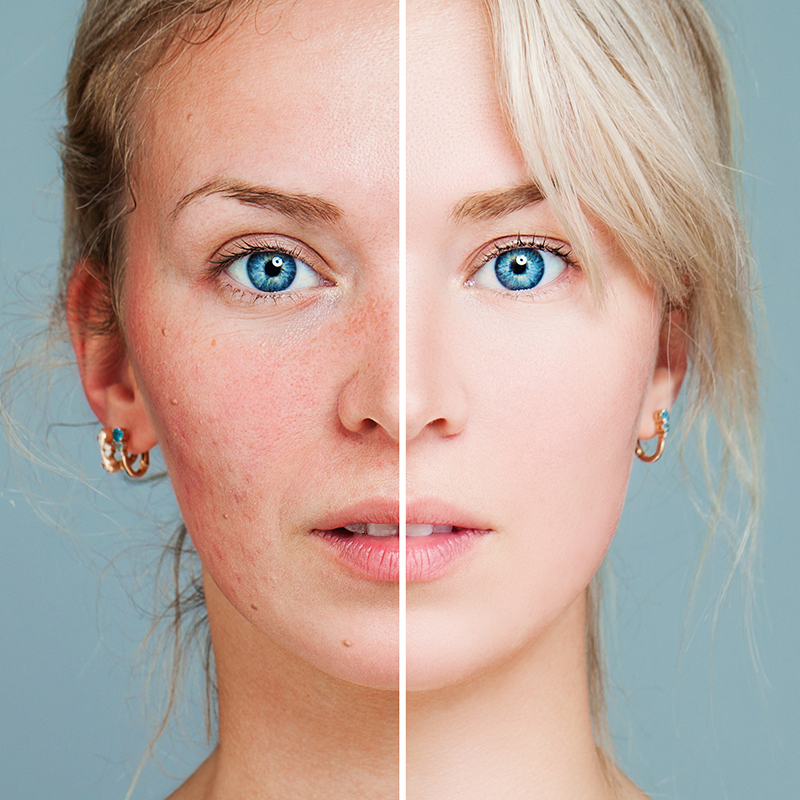
Post‑COVID skin sensitivity, however, is different. It primarily affects how the skin feels rather than how it looks. Sensations such as burning, tenderness or discomfort triggered by touch can occur even when the skin appears completely normal on visual examination. This difference helps explain why post‑COVID skin sensitivity can be unsettling, despite the absence of visible signs.


How long does post‑COVID skin sensitivity last?


For most individuals, skin sensitivity gradually improves within two to eight weeks as inflammation resolves and sensory signaling normalizes. In some cases, symptoms may persist longer, particularly as part of broader post‑COVID recovery.


Overall, long‑term symptoms affect an estimated 10–20% of people after COVID‑19⁵, highlighting the importance of patience and supportive strategies during recovery.


Covid skin sensitivity explained: painful skin After COVID‑19

Covid skin sensitivity explained: painful skin After COVID‑19

Gentle ways to support skin recovery


Because sensory nerves are temporarily more reactive, protecting the skin barrier plays a central role in comfort. Helpful approaches include:

  • Choosing mild, soap‑free cleansers
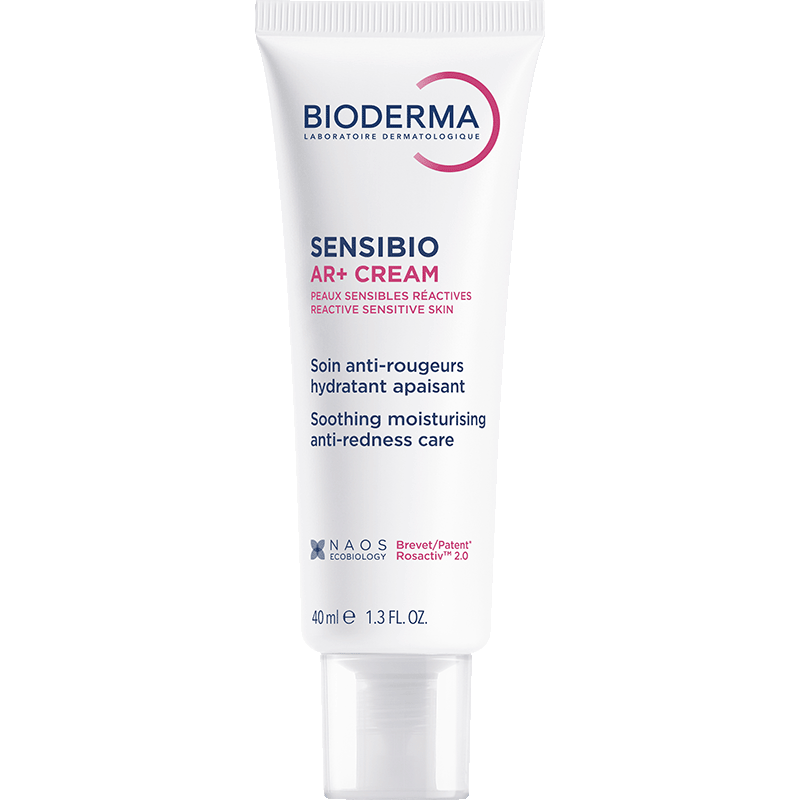
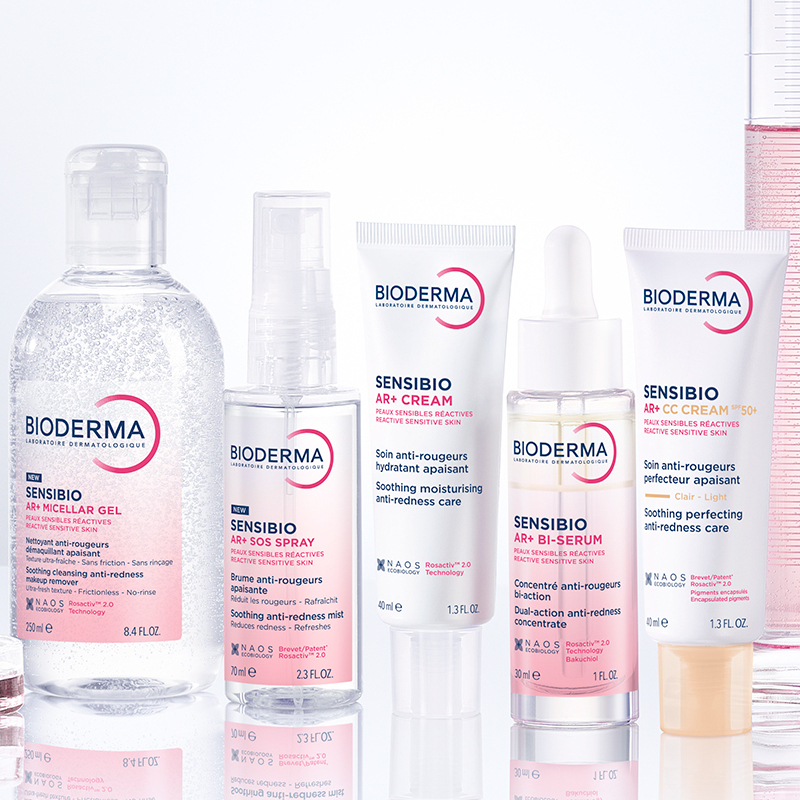
  • Use fragrance‑free moisturizers, such as Sensibio AR+ Cream, to support comfort when sensitivity is accompanied by redness or reactivity
  • Limiting friction and temperature extremes

Harsh cleansing or heavily fragranced products can amplify discomfort rather than relieve it during this phase.


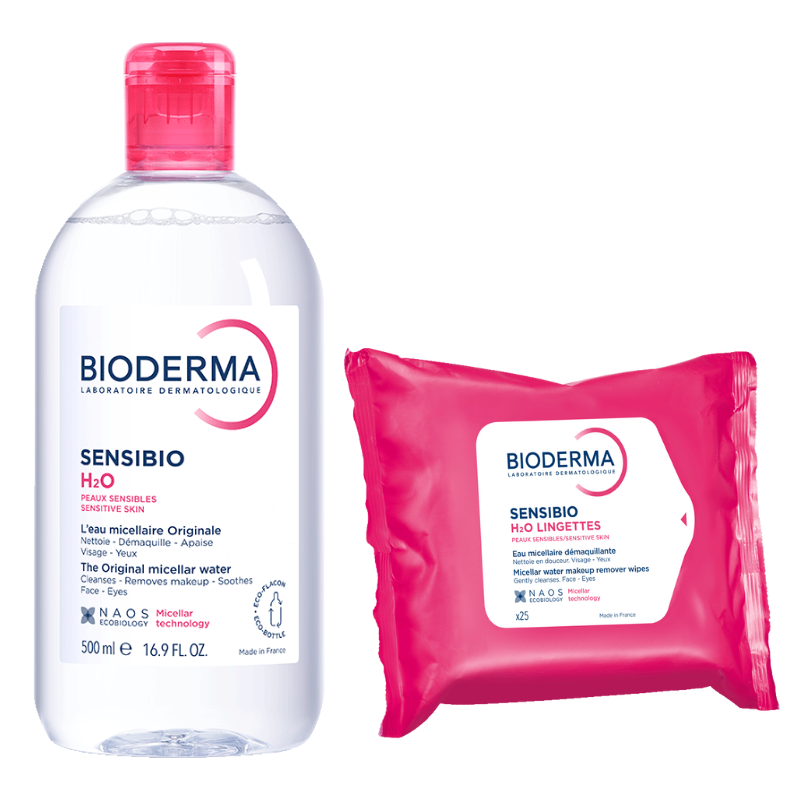
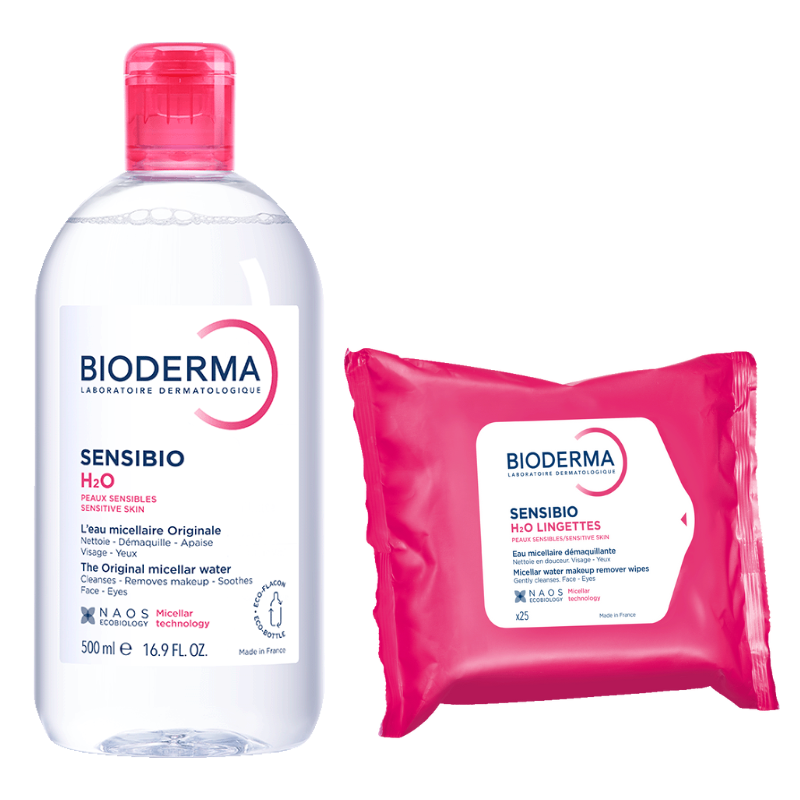
Low‑friction cleansing methods—such as Sensibio H2O—help remove impurities while minimizing stimulation. This approach supports comfort while respecting the skin’s natural barrier as sensory balance gradually returns.


Scientific references

  1. COVID‑19‑related neuropathic pain: a systematic review and meta‑analysis. (Journal of Clinical Medicine – Williams et al., 2023). https://pmc.ncbi.nlm.nih.gov/articles/PMC9966617/
  2. Musculoskeletal and neuropathic pain in COVID‑19. (Diagnostics – Lam et al., 2024) https://pmc.ncbi.nlm.nih.gov/articles/PMC10855145/
  3. Systematic review of neuropathic pain in COVID‑19. (European Journal of Pain – Di Stefano et al., 2022). https://pmc.ncbi.nlm.nih.gov/articles/PMC9877974/
  4. The spectrum of COVID-19-associated dermatologic manifestations: An international registry of 716 patients from 31 countries. (Journal of the American Academy of Dermatology – Freeman et al., 2020). https://pubmed.ncbi.nlm.nih.gov/32622888/
  5. Neuropathic pain and COVID-19: A silent relationship. (Rev Esp Anestesiol Reanim – Juárez‑Belaúnde et al., 2022). https://pmc.ncbi.nlm.nih.gov/articles/PMC9622383/


Author

Content written by the BIODERMA USA editorial team and medically reviewed by Anaïs Caldirola, Medical Operation and Activation Manager US at NAOS, ensuring accuracy and scientific reliability. Medical information is based on established dermatological and nutritional references.

Covid skin sensitivity explained: painful skin After COVID‑19

Covid skin sensitivity explained: painful skin After COVID‑19

Covid skin sensitivity explained: painful skin After COVID‑19

Covid skin sensitivity explained: painful skin After COVID‑19