BACK-TO-SCHOOL SALE | 25% OFF SELECTED PRODUCTS + 2 FREE SAMPLES ON $75+ SHOP NOW

Best fabric for sensitive skin to support daily comfort

Reading time : 4 min

For people with sensitive or reactive skin, daily discomfort does not always come from skincare products alone. Clothing, worn in direct and prolonged contact with the skin, can also influence sensations such as tightness, itching, or a warming feeling—even when the skin appears normal.


Sensitive skin is common, affecting approximately 40% of adults worldwide¹. Environmental factors such as friction, heat, temperature changes, and chemical residues may temporarily intensify sensations in skin that already reacts more easily. Understanding how fabrics interact with the skin barrier helps guide clothing choices that support comfort rather than aggravate reactivity.
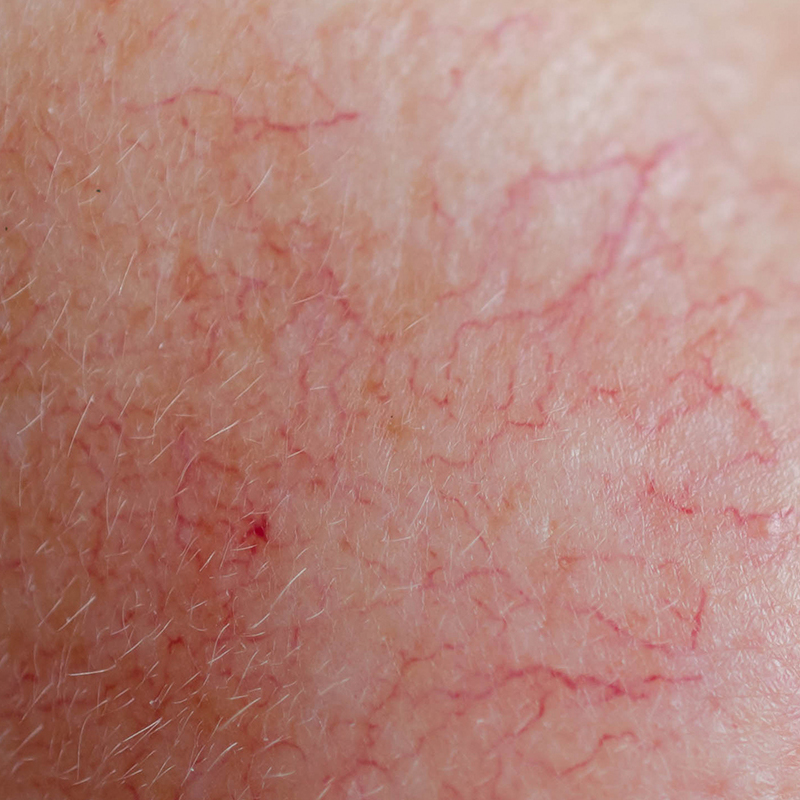


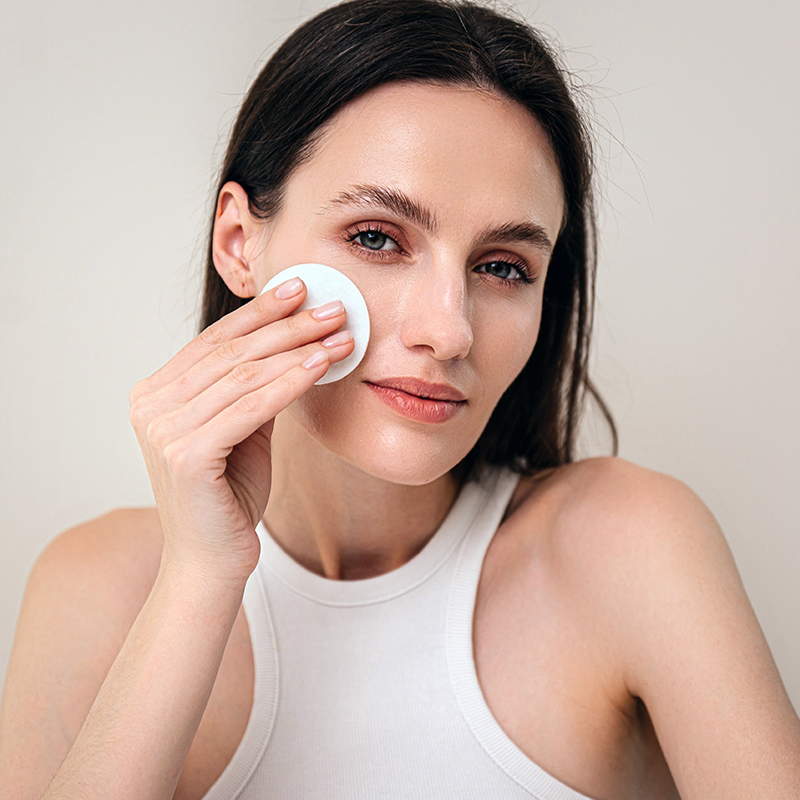
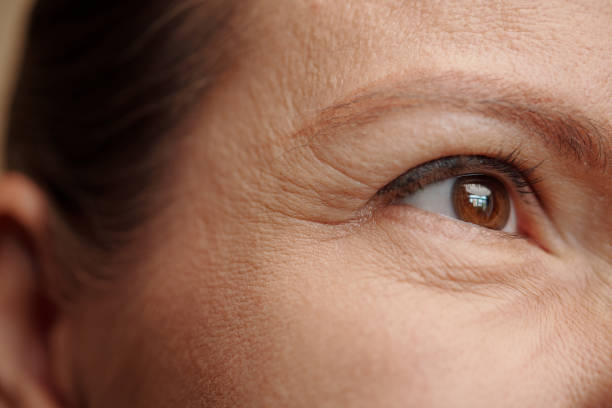
sensitive skin face

Key takeaways from this guide 

  • Sensitive skin often reflects a reactive barrier rather than visible skin damage¹ 
  • Fabric friction and heat can increase sensory discomfort² 
  • Textile reactions are most often linked to chemical treatments, not fibers alone³ 
  • 18% of people with sensitive skin report persistent discomfort¹ 
  • Laundry products frequently contain contact allergens that affect fabric tolerance⁴ 
  • Gentle fabrics and appropriate care habits help support daily skin comfort


Why fabrics can influence sensitive skin comfort


Sensitive skin reacts when its protective barrier is challenged. This barrier, composed of lipids and structural proteins, helps limit water loss and protect against external stimuli.  


Once this balance is weakened, the skin becomes more responsive to everyday triggers. Temperature changes, for example, are identified as a triggering factor by 41% of people with sensitive skin¹. Because clothing directly influences heat retention and exposure to environmental conditions, fabric choice can play an important role in daily comfort.


Daily contact between fabric and skin creates mechanical friction. On sensitive skin, this repeated friction can stimulate nerve endings, making normal contact feel uncomfortable—even without visible signs such as redness or rash.  


Research on skin–textile interaction shows that friction at the fabric–skin interface plays a central role in discomfort and chafing². Smoother fabrics generally reduce this mechanical stress during movement.  


Heat and humidity can further amplify these sensations. Increased skin hydration raises the coefficient of friction between skin and textiles, which may intensify discomfort, particularly in warm or humid conditions².


The importance of textile processing and residues


Dermatological reviews emphasize that allergic or irritant reactions related to clothing are most often associated with textile dyes, resins, and finishing agents, rather than the fiber itself³. These substances may remain in fabrics even after manufacturing and initial washing.


Difficulty in identifying textile allergens is common, partly because dyes and finishing chemicals are poorly characterized or insufficiently labeled³. This explains why untreated or certified fabrics are often better tolerated by reactive skin.


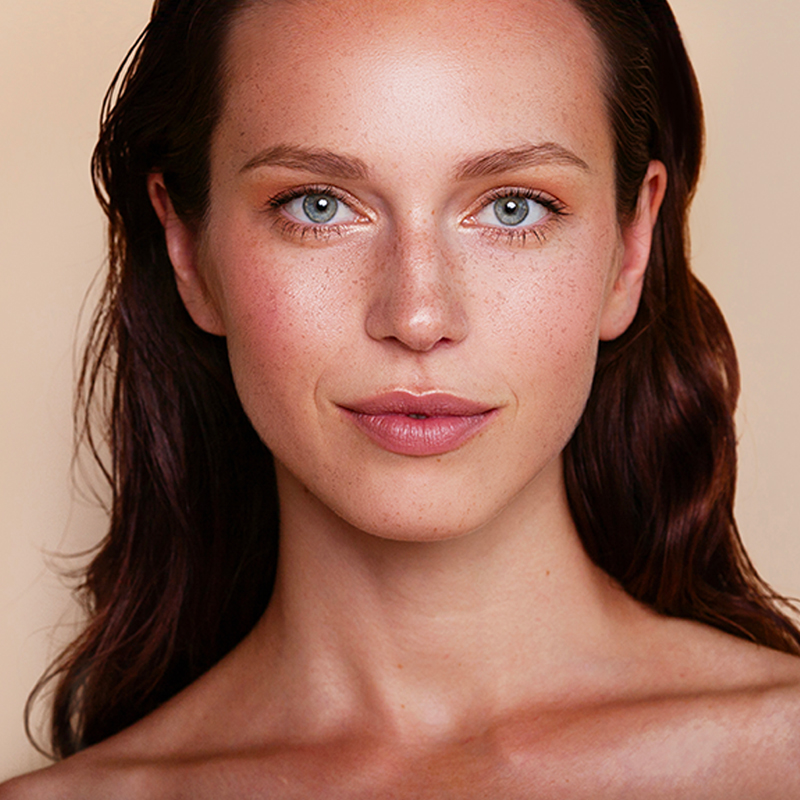
sensitive skin image


What are the best fabrics for sensitive skin?  

While tolerance varies between individuals, fabrics that are soft, breathable, and smooth are generally more comfortable for sensitive skin. These properties help limit friction, reduce mechanical stress, and prevent heat and moisture from building up against the skin.  


Some materials are more often well tolerated in everyday wear:  


  • Cotton: soft, breathable, and widely used in everyday clothing  
  • Silk: naturally smooth, helping reduce friction and repeated contact  
  • Bamboo‑based fabrics: lightweight and gentle to the touch  


Other materials may feel less comfortable, particularly when they increase friction or retain heat. This can be the case with rough wool or certain synthetic fabrics.  


It is also important to consider how fabrics are processed. Reactions are often linked to textile treatments rather than the fiber itself³, which is why untreated or well‑washed garments are often better tolerated than newly finished fabrics.  


Why laundry habits matter


Fabric tolerance is influenced not only by material choice but also by how garments are washed. An analysis of best‑selling U.S. textile‑care products found that:


  • 66.7% of laundry detergents
  • 90% of fabric softeners
  • 75% of dryer sheets contain at least one known contact allergen⁴.


Even products marketed as “baby safe” or “free and gentle” contained common allergens in 80% of cases⁴.


Medical guidance highlights that detergent residues left on clothing can aggravate sensitive skin and worsen existing conditions such as eczema⁵. Friction and perspiration increase the transfer of these residues to the skin, reinforcing the importance of thorough rinsing and minimal additives.


Supporting sensitive skin beyond fabric choice


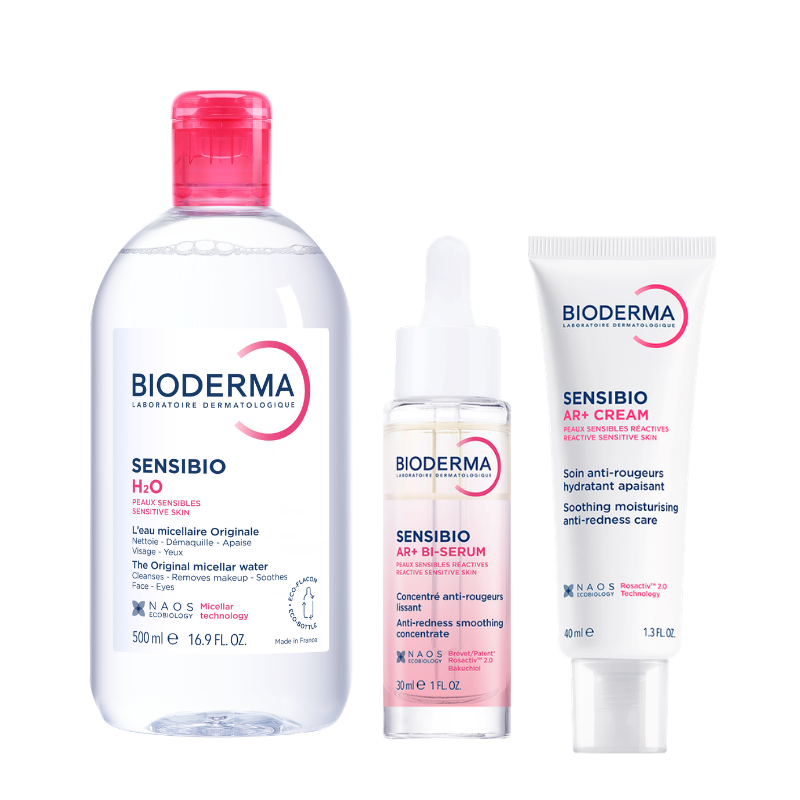
Textile selection is only one aspect of daily skin comfort. Gentle cleansing helps maintain the skin’s natural balance and limits the buildup of residues that may increase friction. Low‑friction, non‑rinsing formulas such as Sensibio H2O Micellar Water help remove impurities without disrupting skin comfort. Combined with barrier‑supportive care such as Sensibio AR+ Cream, these habits help reactive skin tolerate unavoidable contact with clothing and environmental stressors more comfortably.


During illness or fatigue, tolerance thresholds may decrease. Skin reactions linked to internal triggers, including food‑related sensitivities, may then be more easily aggravated by friction.


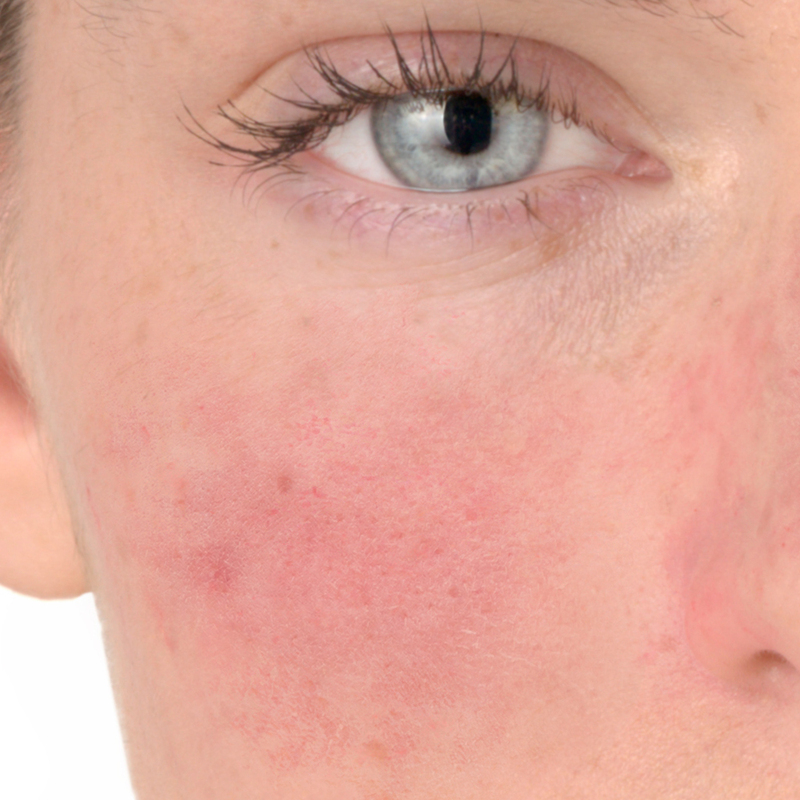
sensitive skin image

Building a routine that supports daily comfort

Appropriate fabric choices help clothing work with the skin rather than against it. Materials that minimize friction and limit chemical residues are often better tolerated by sensitive skin.


Combined with gentle skincare and thoughtful laundry habits, clothing becomes part of a supportive routine—helping preserve comfort calmly and progressively in everyday life.


Scientific references

  1. Diverse & Inclusive Understanding of Sensitive Skin: A worldwide profiling 
    (Journal of the American Academy of Dermatology – Berlin et al., 2024) 
    https://www.jaad.org/article/S0190-9622(24)01773-0/fulltext
  2. A Brief Review on Factors Affecting the Tribological Interaction between Human Skin and Fabrics 
    (Materials – D'Souza et al., 2022) 
    https://pmc.ncbi.nlm.nih.gov/articles/PMC8948776/ 
  3. Challenges in Textile Contact Dermatitis 
    (Current Dermatology Reports – Nedorost, 2023) 
    https://link.springer.com/article/10.1007/s13671-023-00383-y 
  4. Contact Allergens in Top‑Selling Textile‑care Products 
    (Dermatitis – Bai et al., 2020) 
    https://pubmed.ncbi.nlm.nih.gov/31905182/ 
  5. Are you allergic to your laundry detergent? 
    (Cleveland Clinic, 2025) 
    https://health.clevelandclinic.org/laundry-detergent-allergy


Author

Content written by the BIODERMA USA editorial team and medically reviewed by Anaïs Caldirola, Medical lead at NAOS, ensuring accuracy and scientific reliability. Medical information is based on established dermatological and nutritional references