FRIENDS & FAMILY | 20% OFF SELECTED PRODUCTS + FREE POUCH $75+ SHOP NOW

Food sensitivity and skin rash: how to spot the connection

Reading time : 7 min

skin with wrinkles

If you have been dealing with recurring skin rashes and cannot figure out why, your diet may be worth a closer look. Food sensitivity affects millions of Americans, and according to the National Institute of Allergy and Infectious Diseases, food allergy alone impacts approximately 8% of children and nearly 11% of adults in the United States1
 

Among these reactions, skin rashes are one of the most common yet least recognized symptoms, leading to prolonged discomfort and confusion. Understanding the connection between food sensitivity and skin issues is crucial for effective management and relief.
 

Many individuals never consider that their skin problems might stem from dietary choices, mistaking them for unrelated conditions. Certain products and treatments can help soothe irritated skin, but addressing the root cause is essential for long-term relief. Identifying trigger foods can pave the way for healthier skin and overall well-being. 


Key takeaways from this guide

  • Food sensitivity can lead to various skin rashes.
  • Identifying triggers is crucial for management.
  • Allergy testing can help confirm sensitivities.
  • Long-term management may involve dietary changes.
  • Consulting a healthcare provider is essential for proper diagnosis.


Overview of food sensitivity and skin rash


Food sensitivity refers to the body's adverse reaction to certain foods, often causing symptoms like digestive distress, headaches, or skin rash. Unlike food allergies, which trigger an immediate immune response, food sensitivities can cause delayed reactions, making them harder to diagnose. These sensitivities can result from enzyme deficiencies, chemical reactions, or even psychological factors. Common culprits include lactose, gluten, and certain food additives.
 

While both food sensitivity and food allergy involve adverse reactions to food, they differ significantly in their mechanisms and severity. Food allergies involve the immune system and can lead to severe, life-threatening reactions, such as anaphylaxis (a sudden, serious allergic reaction that requires immediate medical attention).

In contrast, food sensitivities do not involve the immune system and generally result in milder, non-life-threatening symptoms. This distinction matters more than many people realize: a large population-based study of over 40,000 U.S. adults found that while nearly 19% believed they had a food allergy, only around 10.8% were confirmed as truly food allergic, highlighting how often sensitivities are misidentified.2 Understanding these differences is crucial for proper diagnosis and management.


  • Immune Response: Present in allergies, absent in sensitivities.
  • Reaction Time: Immediate in allergies, delayed in sensitivities.
  • Severity: Allergies can be life-threatening; sensitivities are usually milder.


What are the symptoms and causes of food allergies?


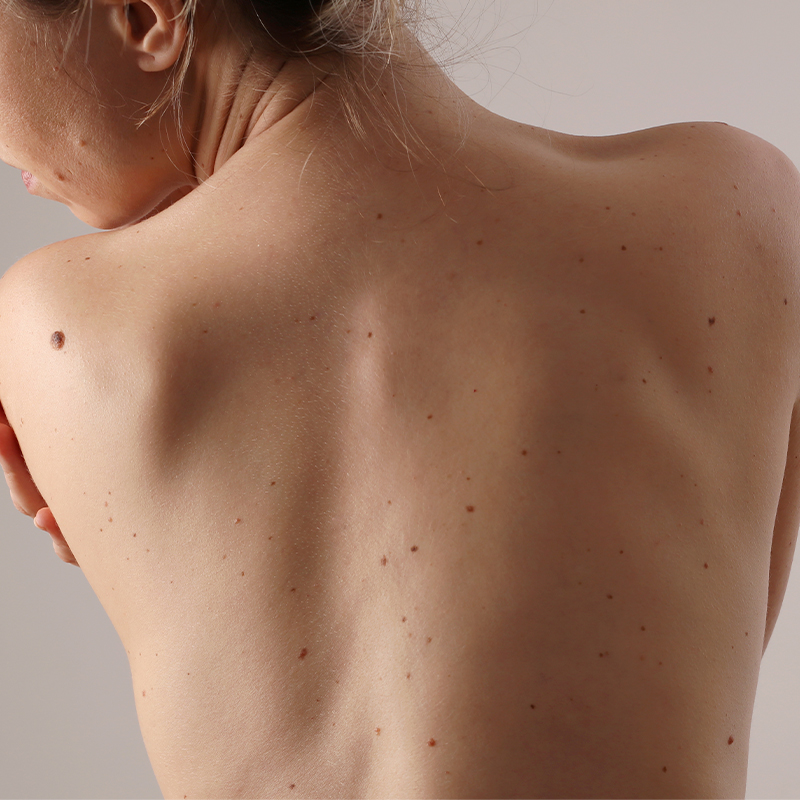
Food sensitivities can manifest through various symptoms, affecting both the digestive system and the skin. Common symptoms include bloating, diarrhea, and abdominal pain. However, skin manifestations such as eczema, hives, and redness are also prevalent. 
 

According to the CDC's National Center for Health Statistics, 7.7% of U.S. adults have diagnosed eczema, with food allergy identified in an additional 6.7% of the adult population.3
 

These reactions occur when the body reacts adversely to certain foods, leading to inflammation. Unlike food allergies, food intolerance generally does not involve the immune system but can still cause significant discomfort.
 

Skin rashes linked to food sensitivities often arise from specific triggers. Common culprits include: 

  • dairy,
  • gluten,
  • nuts. 

The connection between diet and skin can run deeper than many expect: in a clinical study of children with severe atopic dermatitis, cutaneous symptoms including diffuse rash and itching were observed in 84% of oral food challenges, underscoring how directly certain foods can trigger visible skin reactions.4 


Environmental factors and stress can further aggravate these reactions, making it crucial to identify and manage individual triggers effectively. When redness is one of your main symptoms, it is also worth understanding the broader causes behind it, as facial redness in particular can have multiple overlapping triggers. Read more in our guide to facial redness and visible vessels. 
 

Although many individuals suspect food as the cause of their skin issues, studies show that only a small percentage have confirmed food allergies. This discrepancy highlights the complexity of diagnosing food-related skin conditions.
 

Best diagnosis and testing for food allergies


Diagnosing food allergies accurately is crucial for effective management. The primary methods include skin prick tests, blood tests measuring specific IgE antibodies (proteins the immune system produces in response to an allergen), and oral food challenges. 
 

Skin prick tests involve introducing a small amount of allergen into the skin to observe reactions. Blood tests, such as the RAST or ImmunoCAP, measure the level of these immune proteins in response to specific foods. Oral food challenges, conducted under medical supervision, are considered the gold standard for diagnosis, providing definitive confirmation of an allergy.
 

Allergy testing is vital for distinguishing between true allergies and sensitivities, which can prevent unnecessary dietary restrictions. A 2024 systematic review found that approximately 1 in 4 patients with food allergies also presented with chronic idiopathic urticaria — a term for recurring hives with no clearly identified cause — reinforcing the importance of investigating dietary triggers in persistent skin conditions.5  Accurate diagnosis through testing helps in developing targeted management plans, reducing the risk of severe reactions, and improving quality of life.
 

What are the treatment and management options?


  • When a skin rash appears due to food sensitivity, immediate action is crucial. The first step involves identifying and eliminating the suspected allergen from the diet. Topical corticosteroids (anti-inflammatory creams applied directly to the skin) can help reduce inflammation and itching, providing rapid relief.
  • In cases of severe reactions, antihistamines may be administered to counteract allergic responses. It is essential to consult a healthcare professional to ensure the correct medication and dosage are used.

Long-term allergy management requires a strategic approach to prevent future rashes. One effective strategy is maintaining a detailed food diary to track and identify potential triggers. Regular consultations with an allergist can aid in developing a personalized management plan. 


Incorporating a balanced diet, rich in anti-inflammatory foods, can also support skin health. Additionally, recent advancements in biosensitivity systems provide promising tools for detecting allergens in food, enhancing preventive measures.These systems can help individuals make informed dietary choices, reducing the risk of adverse reactions. In addition, establishing a consistent, gentle skincare routine for sensitive skin is equally important for skin that is prone to reactivity.

  • Maintain a food diary to identify triggers.
  • Consult with an allergist for personalized advice.
  • Incorporate anti-inflammatory foods into your diet.
  • Utilize biosensitivity systems for allergen detection.

How to prevent and live with food allergies


Preventing food allergy reactions involves a proactive approach. Start by identifying common allergens in your diet and eliminating them. Regularly check food labels for potential allergens and opt for fresh, unprocessed foods. Cross-contamination is a risk, so maintain separate cooking utensils for allergen-free meals. Educate family members about your allergies to ensure a supportive environment. Incorporating these lifestyle changes can significantly reduce the risk of allergic reactions.
 

Living with food sensitivities requires vigilance and adaptation. To manage sensitivities, keep a detailed food diary to track symptoms and identify triggers. Consider consulting a nutritionist for personalized dietary advice. Joining support groups can provide emotional support and practical tips for managing daily challenges.
 

Keeping your skin barrier strong between flare-ups matters too — understanding which ingredients work well for reactive skin, such as hyaluronic acid for sensitive skin, can make a real difference to daily comfort. These strategies can help maintain a balanced lifestyle despite dietary restrictions.
 

Choosing the right products to support sensitive, reactive skin


While managing food sensitivity related skin rashes starts with identifying and addressing dietary triggers, the right skincare routine can help soothe and protect your skin while it recovers.
 

For gentle, no-rinse cleansing 
Sensibio H2O Micellar Water removes impurities and residue without rubbing or rinsing, making it a comfortable choice when skin is already irritated.
 

For a foaming alternative 
Sensibio Foaming Gel cleanses effectively while respecting the skin barrier, for those who prefer a foaming texture without compromising on gentleness.
 

For visible redness 
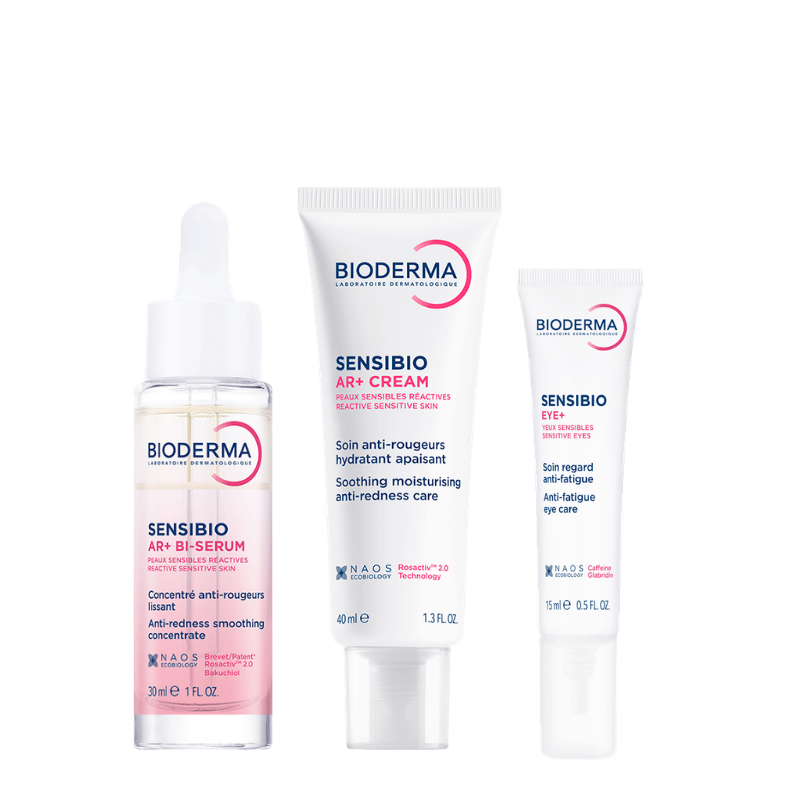
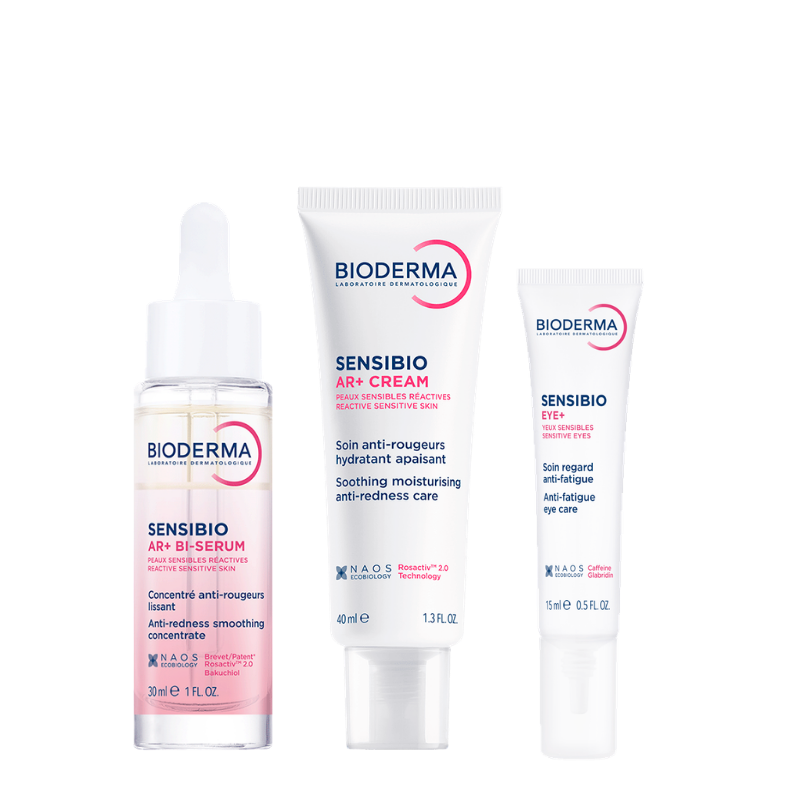
Sensibio AR+ Cream is designed to calm redness and reinforce the skin barrier, making it a useful addition to your routine when redness is a prominent symptom.


These products are not a substitute for medical treatment, but they can support your skin's comfort and recovery as part of a broader management plan.


Frequently asked questions


A food sensitivity rash often appears as hives or eczema, characterized by red, itchy patches on the skin. Harsh cleansing or heavily fragranced products can amplify discomfort rather than relieve it during this phase.
 

Yes, food intolerances can lead to skin rashes, although they are typically less severe than those caused by food allergies.
 

The major allergens include milk, eggs, peanuts, tree nuts, fish, shellfish, soy, wheat, and sesame.
 

Common trigger foods include dairy, gluten, nuts, and shellfish, which can lead to skin reactions in sensitive individuals.
 

Food sensitivity skin rashes are caused by the body's adverse reaction to certain food proteins, leading to inflammation.
 

Identifying a food allergy rash involves monitoring symptoms after eating specific foods and consulting with a healthcare provider.
 

Symptoms can include hives, swelling, gastrointestinal issues, and respiratory problems, varying by individual.
 

Yes, food allergies frequently cause skin rashes as part of the body's allergic response.
 

Scientific references

  1. Food allergy 
    (NIAID, National Institute of Allergy and Infectious Diseases) 
    https://www.niaid.nih.gov/diseases-conditions/food-allergy
  2. Prevalence and severity of food allergies among US adults 
    (JAMA Network Open – Gupta RS et al., 2019) 
    https://pmc.ncbi.nlm.nih.gov/articles/PMC6324316/
  3. Diagnosed allergic conditions in adults: United States, 2024 
    (CDC, National Center for Health Statistics Data Brief No. 545 – Bottoms-McClain L et al., 2026) 
    https://www.cdc.gov/nchs/products/databriefs/db545.htm
  4. Diet and dermatitis: food triggers 
    (The Journal of Clinical and Aesthetic Dermatology – Katta R. et al., 2014) 
    https://pmc.ncbi.nlm.nih.gov/articles/PMC3970830/
  5. The prevalence of food allergy in patients with chronic idiopathic urticaria: a systematic review and meta-analysis 
    (Archives of Dermatological Research – Alotaibi HM et al., 2024) 
    https://pubmed.ncbi.nlm.nih.gov/39680174/


Author

Content written by the BIODERMA USA editorial team and medically reviewed by Anaïs Caldirola, Medical lead at NAOS, ensuring accuracy and scientific reliability. Medical information is based on established dermatological and nutritional references