FRIENDS & FAMILY | 20% OFF SELECTED PRODUCTS + FREE POUCH $75+ SHOP NOW

Sensitive skin type: what it is and how to identify yours?

Reading time : 7 min

woman looking at her face

Your skin stings after applying moisturizer. It flushes red in the cold. It reacts to products that everyone else seems to tolerate just fine. If this sounds familiar, you are far from alone. Research shows that approximately 60 to 70% of women and 50 to 60% of men report having some degree of sensitive skin1. Yet despite how common it is, sensitive skin remains widely misunderstood, often mistaken for dryness, allergy, or just "difficult" skin. Understanding what sensitive skin type actually means, how it presents, and what it responds to is the first step toward real, lasting comfort. 
 

The triggers are not always obvious. Environmental factors, skincare routines, stress, and even diet can all play a role in aggravating sensitivity. Identifying what affects your skin specifically — and which type of sensitive skin you may have — is what makes the difference between managing reactions and preventing them altogether.
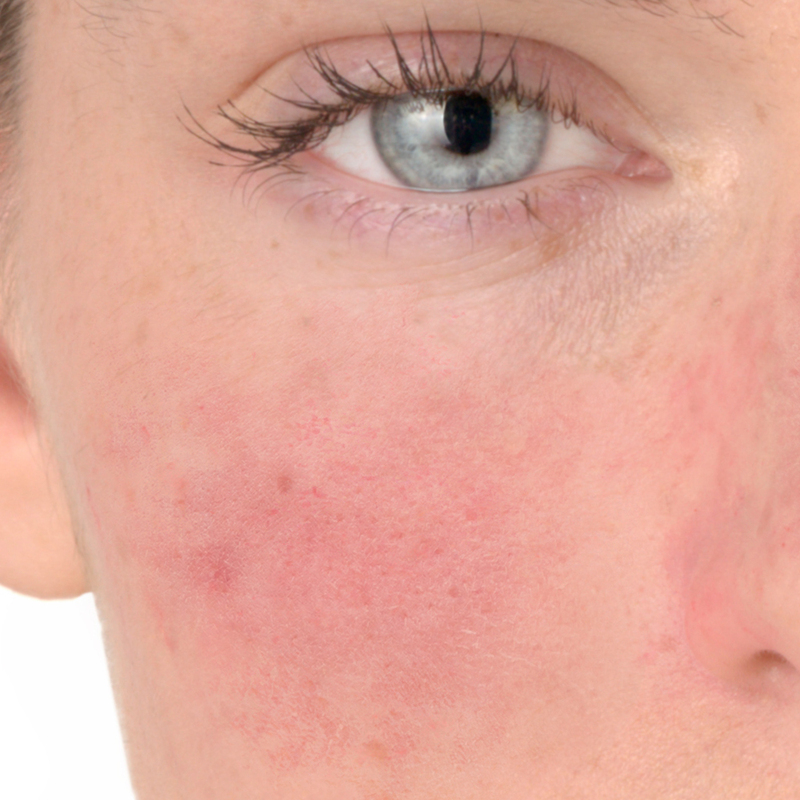
redness on face

Key takeaways from this guide


  • Sensitive skin is a recognized syndrome affecting a significant portion of the population.
  • It can manifest in different ways depending on individual triggers and skin characteristics.
  • Identifying your specific triggers is key to effective management.
  • Gentle, targeted skincare products are essential for daily care.
  • Consulting a dermatologist is recommended for persistent or severe symptoms.

What is the sensitive skin type?


Sensitive skin is a common skin type characterized by heightened reactivity to environmental factors and skincare products. It often manifests as redness, itching, or a burning sensation. This skin type can be triggered by various factors, including weather changes, stress, or exposure to certain chemicals. 
 

According to the International Forum for the Study of Itch, sensitive skin is formally defined as a syndrome characterized by unpleasant sensations, including stinging, burning, pain, itching, and tingling, in response to stimuli that would not normally provoke such reactions, and which cannot be explained by any identifiable skin disease.2
 

People with sensitive skin often experience discomfort when using certain skincare products. Common characteristics include redness, dryness, and a tendency to develop rashes easily. These individuals may also notice that their skin reacts quickly to changes in temperature or humidity. This prevalence highlights the importance of selecting gentle skincare products and being mindful of environmental triggers.
 

What are the different types of sensitive skin?


Sensitive skin is not a single, uniform condition. It is a spectrum that can present in different ways depending on the individual. The following categories reflect the most common presentations seen in people with sensitive skin, each with specific symptoms and needs. Choosing the right products starts with understanding which pattern resonates most with your own experience.


This presentation may involv episodes of unexpected, transitory redness that can become permanent over time. Tiny blood vessels may become visible beneath the skin's surface, and sudden flushing can be triggered by temperature changes, spicy foods, stress, or certain medications. Among those diagnosed with rosacea (a chronic skin condition that causes persistent facial redness), research shows that 72 to 80% present with the erythematotelangiectatic subtype — meaning redness and visible blood vessels are their predominant symptoms.3 
For redness-prone skin, a gentle skincare routine may help support skin comfort and appearance. 
 

Skin that overreacts to a wide range of internal and external factors, producing unpleasant sensations such as tingling, tightness, burning, and itching, often falls into this presentation. Triggers frequently include cosmetic ingredients, environmental pollutants, harsh fabrics, and weather conditions. The scale of this sensitivity is significant: the self-reported lifetime prevalence of contact dermatitis (a skin reaction caused by direct contact with an irritant or allergen) is approximately 15%, though the medically confirmed rate sits closer to 8.3%.4


Research confirms how significant these triggers are: in a US-based survey of individuals with sensitive skin, 94% reported at least one trigger causing skin reactions, with the most common being extreme temperatures (48%), skincare products (42%), and stress (39%)5. The fabrics worn against the skin can also play a role in triggering or worsening irritation. 
 

Symptoms and causes of sensitive skin


Sensitive skin often presents with visible signs such as redness, itching, and dryness. Individuals may also experience a stinging or burning sensation when applying certain skincare products. These symptoms can vary in intensity and may be triggered by environmental factors like wind or temperature changes. In 2024, the CDC's National Center for Health Statistics reported that 7.7% of U.S. adults had diagnosed eczema — one of the most common inflammatory skin conditions associated with skin sensitivity and reactivity.6
 

The causes of sensitive skin are multifaceted. It can result from genetic predisposition, environmental stressors, or inappropriate skincare routines. Certain cosmetic ingredients may cause reactions in susceptible individuals. Understanding these underlying causes is important for effective management. Food sensitivity can sometimes also be a contributing factor. 


Diagnosing your sensitive skin type


Dermatologists use a combination of patient history and clinical examinations to diagnose sensitive skin. They assess the skin's reaction to various stimuli, such as skincare products and environmental factors. A detailed discussion about the patient's skincare routine and lifestyle habits is crucial. Dermatologists may also perform a patch test to determine specific irritants.
 

Several tests can help identify sensitive skin and its triggers. Patch testing is commonly used to pinpoint allergens causing reactions. Additionally, a dermatologist might recommend a skin biopsy for more severe cases, where underlying conditions need to be ruled out. These evaluations may help identify potential triggers or underlying conditions and inform appropriate skincare recommendations.

  • Patch testing: identifies specific allergens
  • Skin biopsy: evaluates more severe conditions
  • Allergy testing: determines broader allergic reactions
     

How to manage and protect sensitive skin daily


Managing sensitive skin requires consistent care, the right product choices, and a targeted approach suited to your specific skin presentation. Moisturizing daily with fragrance-free products helps maintain the skin's barrier function — the outer layer of the skin that protects against irritants and moisture loss. Products containing ceramides may be used as part of a skincare routine to help support the skin barrier.

“For persistent or severe symptoms, a healthcare professional may recommend appropriate medical treatment.”
 

Choosing the right products is equally important for managing sensitive skin. Opt for hypoallergenic and non-comedogenic products, meaning they are less likely to cause allergic reactions or clog pores. Always perform a patch test before introducing a new product into your routine, and pay close attention to ingredient labels, avoiding alcohols and synthetic fragrances that can aggravate sensitivity.
 

Beyond topical care, lifestyle choices play a meaningful role in managing sensitivity. Stress management, adequate sleep, and a balanced diet all contribute to skin resilience. Sunscreen is essential even on cloudy days, and lukewarm rather than hot water during cleansing helps prevent unnecessary dryness. 

  • Look for products labeled as gentle or formulated for sensitive skin
  • For sensitive skin, consider a sunscreen that you find comfortable and suitable for your skin.
  • Avoid products with a long list of ingredients to reduce potential allergens
     
sensibio ar+ cream benefit

Choosing the right products to support your sensitive skin type


A consistent, gentle routine matters just as much as avoiding known triggers. Here is how a few key formats can fit into the daily care of sensitive skin.
 

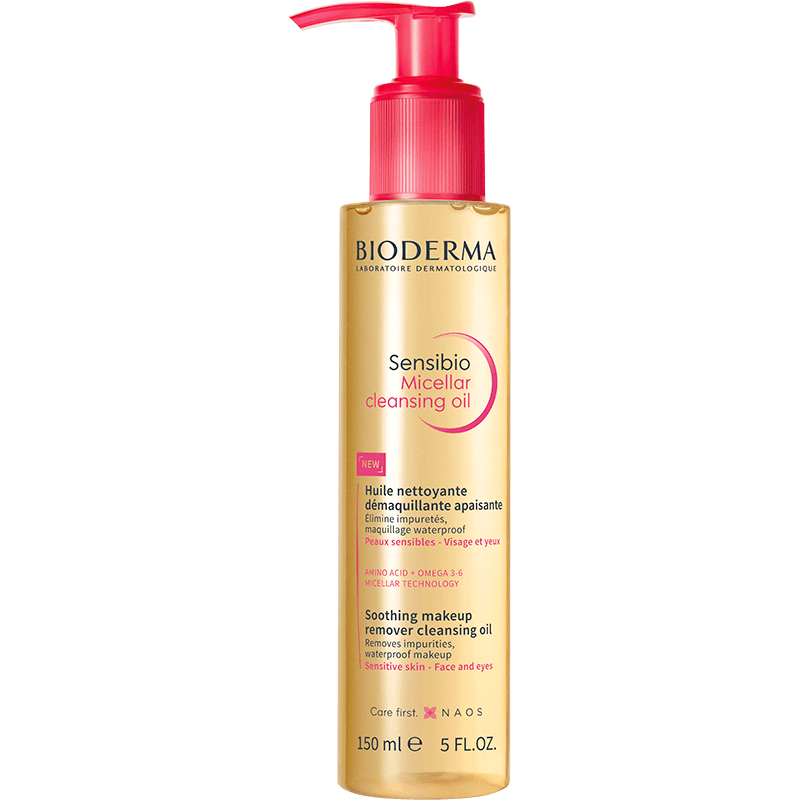
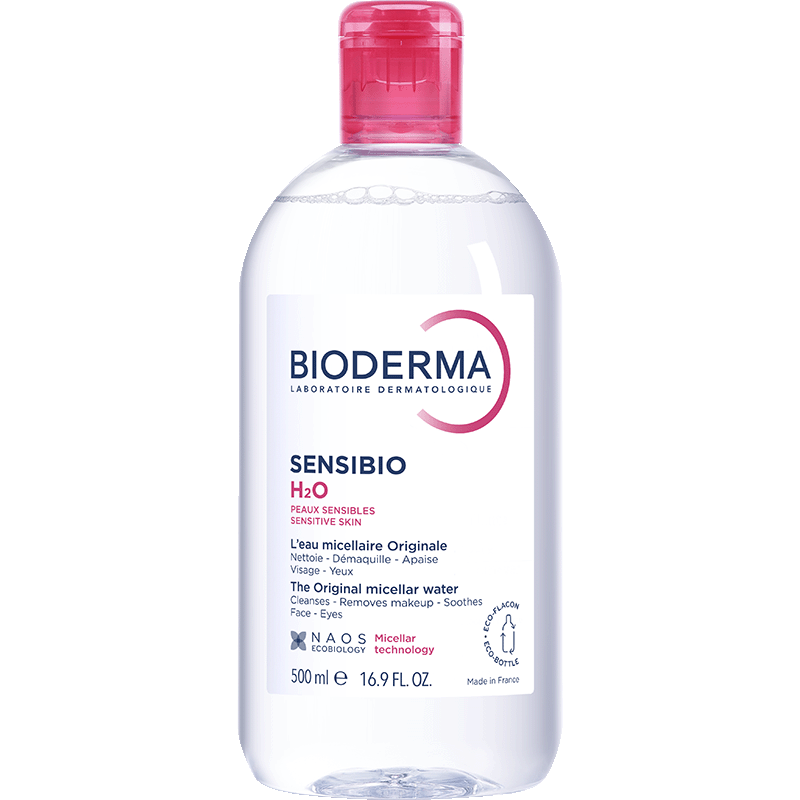
Sensibio H2O Micellar Water can be incorporated into a gentle cleansing routine for sensitive skin. Its no-rinse format removes impurities and makeup without rubbing, which matters when skin is already prone to irritation.
 

If you prefer a foaming texture, Sensibio Foaming Gel is formulated for gentle cleansing and can be an option for sensitive skin.
 

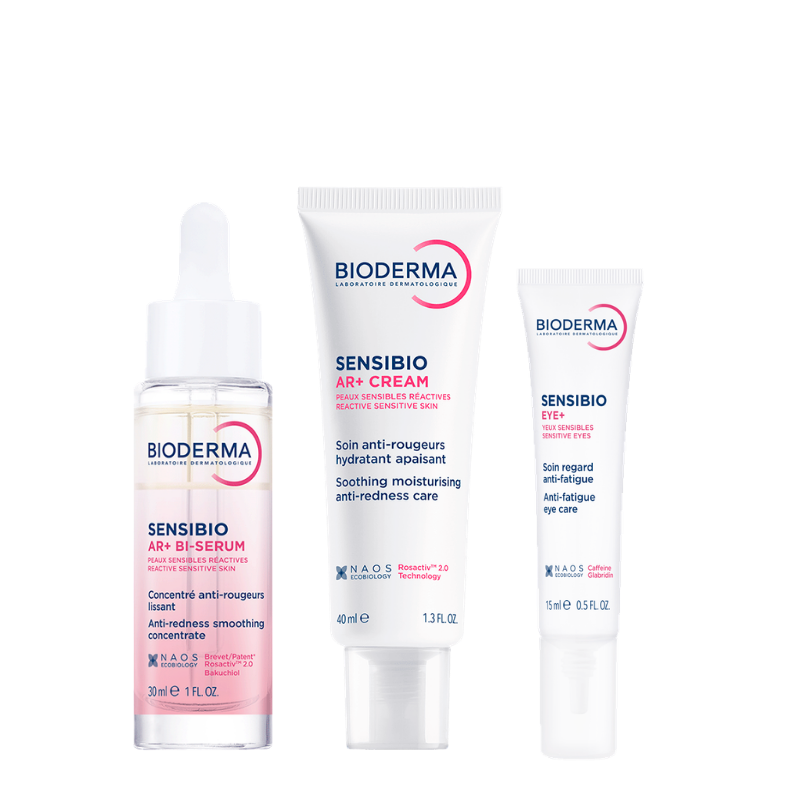
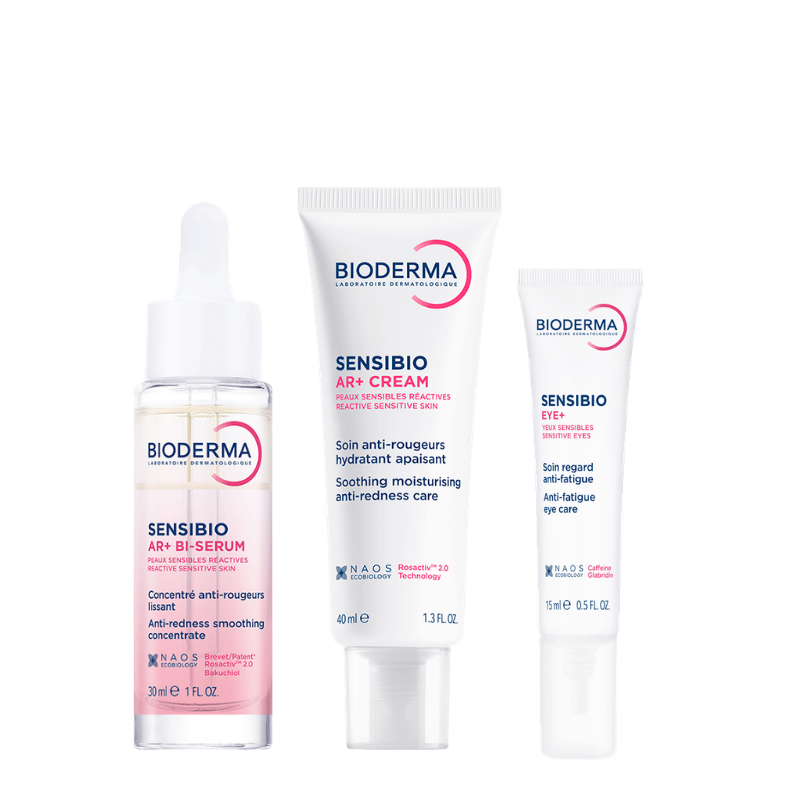
For redness specifically, Sensibio AR+ Cream  is formulated for skin prone to visible redness and is intended to support skin comfort.
 

Frequently asked questions


Sensitive skin can be either dry or oily, but it often exhibits characteristics of both. Identifying your skin's specific needs is crucial for effective care.
 

You may have sensitive skin if you experience frequent redness, itchiness, or irritation from products. Observing your skin's reactions can help you identify its sensitivity.
 

To identify your skin type, consider factors like oiliness, dryness, and sensitivity. Conduct a simple test by observing how your skin feels after cleansing.
 

Sensitive skin is a skin type where the skin reacts more intensely to environmental factors and products, leading to discomfort and irritation.
 

Care for sensitive skin may include using suitable gentle products, avoiding known triggers, and consulting a dermatologist when symptoms persist or are concerning.
 

Scientific references


1 - The prevalence of sensitive skin  
(Frontiers In Medicine – Farage Miranda A., 2019)  
https://www.ncbi.nlm.nih.gov/pmc/articles/PMC6533878/
 

2 - Definition of sensitive skin: an expert position paper from the special interest group on sensitive skin of the international forum for the study of itch  
(Acta Dermato-Venereologica – Misery Laurent et al., 2017)  
https://pubmed.ncbi.nlm.nih.gov/26939643/ 
 

3 - Rosacea prevalence, severity, and phenotype by race, ethnicity, and gender  
(Journal Of Dermatology And Investigative Sciences – Gomez-Lara Alexander R. et al., 2025)  
https://www.ncbi.nlm.nih.gov/pmc/articles/PMC12814669/
 

4 - Allergic-related skin diseases: global disease burden from 1990 to 2021 and future trends  
(World Allergy Organization Journal – Tang X et al., 2025)  
https://www.ncbi.nlm.nih.gov/pmc/articles/PMC12167089/
 

5 - Characterizing the experience of sensitive skin: a pilot survey  
(JAAD International – McCormick Erika T. et al., 2023)  
https://www.ncbi.nlm.nih.gov/pmc/articles/PMC10148179/
 

6 - Diagnosed allergic conditions in adults: United States, 2024  
(CDC, National Center For Health Statistics Data Brief No. 545 – Bottoms-McClain L et al., 2026)  
https://www.ncbi.nlm.nih.gov/books/NBK620575/


Author


Content written by the BIODERMA USA editorial team and medically reviewed by Anaïs Caldirola, Medical lead at NAOS, ensuring accuracy and scientific reliability. Medical information is based on established dermatological and nutritional references