LAST CALL FOR YOUR GIFT: FREE SHIPPING ON ALL ORDERS SHOP NOW

I have sensitive skin. Should I use Hyaluronic acid in my skincare routine?

Reading time : 4 min

Hyaluronic acid is a popular skincare ingredient known for its hydrating properties. Discover its benefits and how to use it if you have sensitive skin. 


Hyaluronic acid is a very gentle ingredient that can be used by people with sensitive skin. However, it is important to know how to add it in your skincare routine. 


The benefits of hyaluronic acid on sensitive skin 


Hyaluronic acid offers many benefits on sensitive skin starting with hydration. It helps the skin maintain its moisture.

As a humectant, hyaluronic acid works by drawing water into the skin. As it attracts and holds onto water, this helps to hydrate the skin and improve the overall skin barrier health. “Numerous studies support HA-based cosmeceuticals as a noninvasive, effective solution for improving skin hydration and rejuvenation” explained the PubMed Central.


Hyaluronic acid has anti-inflammatory properties that help to reduce facial redness and irritation. People suffering from eczema and rosacea can use hyaluronic acid without worrying about reactivity. A recent study found that when combined with proteoglycans and collagen, hyaluronic acid helps restore the skin’s surface and reduce itching and sensitivity. 


Hyaluronic acid is naturally found in the skin which makes it a gentle ingredient well-tolerated by most skin types. “A test-sample blind study was conducted on 32 female subjects ages 35 to 65 years with sensitive and/or dry skin” The study showed that multi-weight hyaluronic acid improved skin hydration, reduced dryness and was well tolerated by sensitive skin.


Finally, hyaluronic acid helps other active ingredients to better penetrate the skin thanks to its hydration and permeability properties. 


Is Hyaluronic acid safe for all types of sensitive skin?


Hyaluronic acid is safe for all types of sensitive skin when used properly.
 

Sensitive skin prone to redness

Hyaluronic acid helps soothe redness by restoring hydration and reinforcing the skin barrier protection making it harder for irritants to trigger flare-ups. By reducing water loss, hyaluronic acid minimizes the visible signs of sensitive skin including redness. “Evidence suggests that Hyaluronic acis as a potential strategy in the treatment of inflammatory skin conditions” explains the PMC


Sensitive skin intolerant to external aggressors 

Hyaluronic acid combines different actions; it is a humectant providing hydration, barrier restoration, and a low sensitization risk. It is a perfect ally to limit penetration of irritants


How to use hyaluronic acid 


Hyaluronic acid can be used in different forms depending on skincare products. 
 

In cream form

Hyaluronic acid in cream form has key advantages: it offers sensitive skin the dual benefit of deep hydration and barrier reinforcement. Unlike serums, creams lock in moisture, protect against irritants, calm redness, and support skin repair. It is an ideal choice for daily hydration and comfort. 

Bioderma Hydrabio Light is a protective water shield that hydrates for 72 hours. Non-sticky, it provides a light and fresh texture. 


In serum form

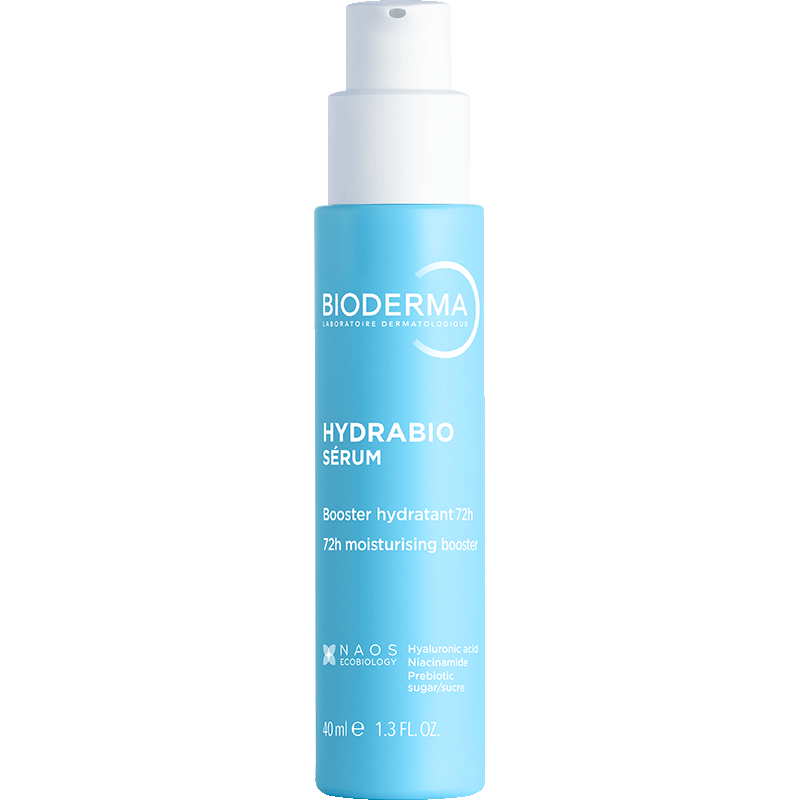
Hyaluronic acid in serum form is a lightweight fast absorbing texture that delivers a high concentration of hydration deep into the skin. It relieves tightness, and layers easily under other skincare products. It is a perfect daily booster for sensitive and dehydrated skin. 

Hydrabio Serum is a hydration booster which has proven effective under real-life conditions. 


Can I combine hyaluronic acid with other ingredients for my sensitive skin?


It is possible to combine hyaluronic acid with other ingredients which are particularly recommended for your skin’s health. 

Compatible ingredients to combine with hyaluronic acid in case of sensitive skin include: 

  • Glycerin that works like hyaluronic acid to draw moisture into the skin and enhance hydration
  • Squalane that mimics skin’s natural sebum
  • Ceramides that protect against irritation
  • Peptides 
     

On the contrary, there are some ingredients that could irritate sensitive skin and need to be avoided in combination with hyaluronic acid: 

  • Strong acids like glycolic acid, salicylic acid and others may pull in too much water and lead to irritation, tightness and barrier disruption
  • High concentrations of retinoids like retinol which accelerate cell turnover and can leave the skin more sensitive and dehydrated
  • Excessive occlusives without water like petrolatum
  • Benzoyl Peroxide
     

Incorporate hyaluronic acid in my skincare routine for sensitive skin


Hyaluronic acid offers powerful hydration and can transform your skin routine for sensitive skin (link to article). 


Clean my skin 

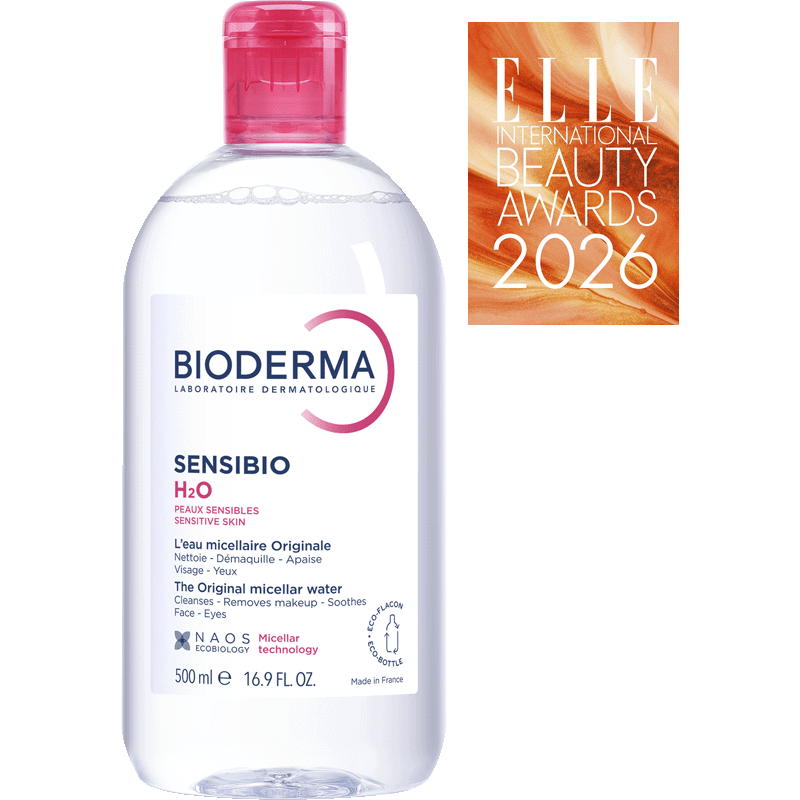
After cleansing your face, it is the best time to use hyaluronic acid. Start your skincare routine with Sensibio H2O Micellar Water to cleanse your skin. Micellar water is perfect for sensitive skin as it is a gentle cleanser which soothes and respects the skin’s balance. Soak a cotton pad and gently remove makeup and any impurities from your face. No rinsing required. Your skin is now ready for hyaluronic acid serum. 


Treat my skin

Sensibio Defensive Serum is a great product to add in your skincare routine to benefit from hyaluronic acid properties. Apply morning and evening to the face and neck on a cleansed skin to treat inflammation. Thanks to its key ingredients, the serum moisturizes your skin deeply and makes it more resistant to external aggressions. 


Hyaluronic acid is a powerful humectant with many positive effects on sensitive skin. Well associated with key ingredients and added in a good skincare routine, hyaluronic acid offers deep hydration and protection against external aggressors.