


Each blade pass strips protective oils, creates micro-tears in the skin, and triggers an inflammatory response that can leave sensitive skin red and tight for hours. This article explains what happens to the skin during shaving, why shaving for sensitive skin requires a specific aftercare approach, and how to build a soothing routine that supports the natural recovery of the protective barrier.
The complete guide to aftercare for shaving on sensitive skin
Reading time : 9 min
Key takeaways from this guide
Shaving compromises the barrier. Each pass creates micro-tears and disturbs the protective film.
Face and body differ. Skin thickness, oil glands and exposure require different care.
Soothing ingredients work. Niacinamide, panthenol, allantoin, ceramides, all clinically supported.
Sensitive skin reacts more. A weakened barrier amplifies post-shave inflammation.
Daily habits matter. Spacing sessions, hydration and protection limit cumulative damage.
Some warning signs need a doctor. Persistent infection, severe inflammation and chronic reactions.
What happens to your skin when you shave?
Shaving removes more than hair. Each blade pass creates microscopic tears at the skin surface and strips away part of the protective lipid film. This mechanical stress disrupts the barrier that normally retains moisture and blocks irritants, making the skin immediately more vulnerable.
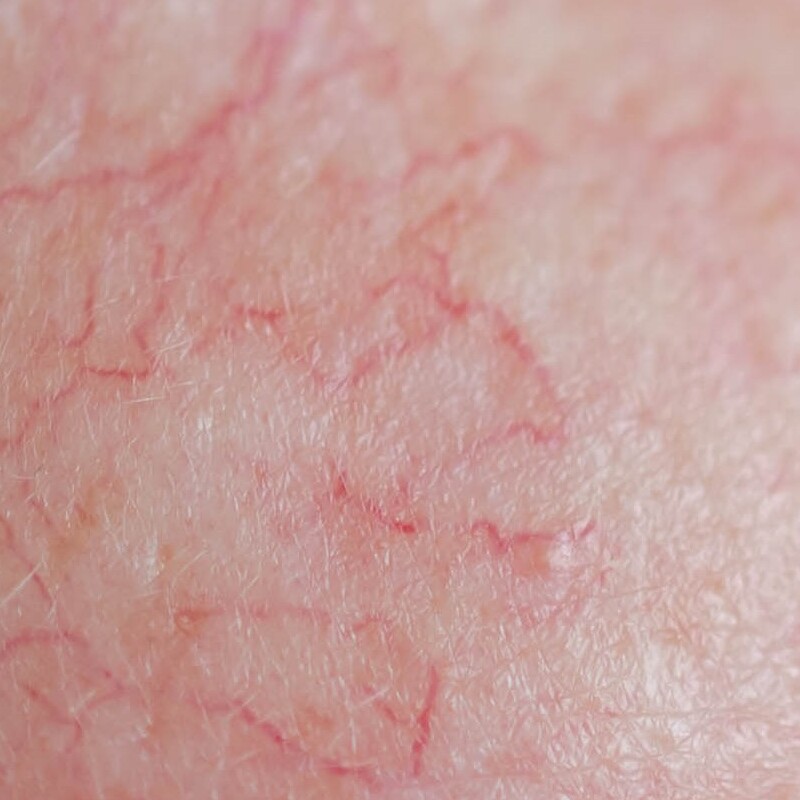
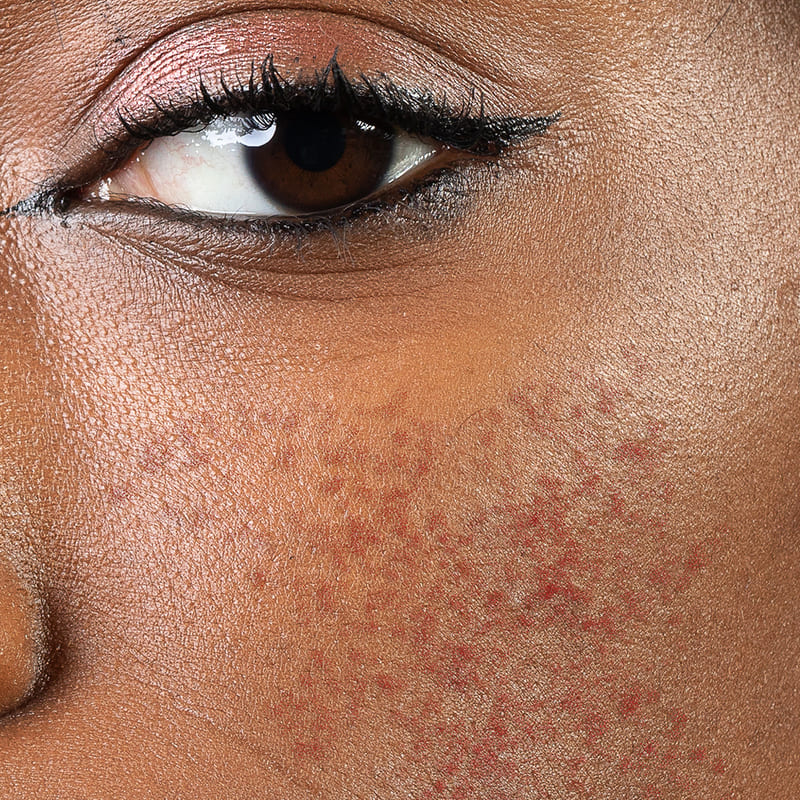
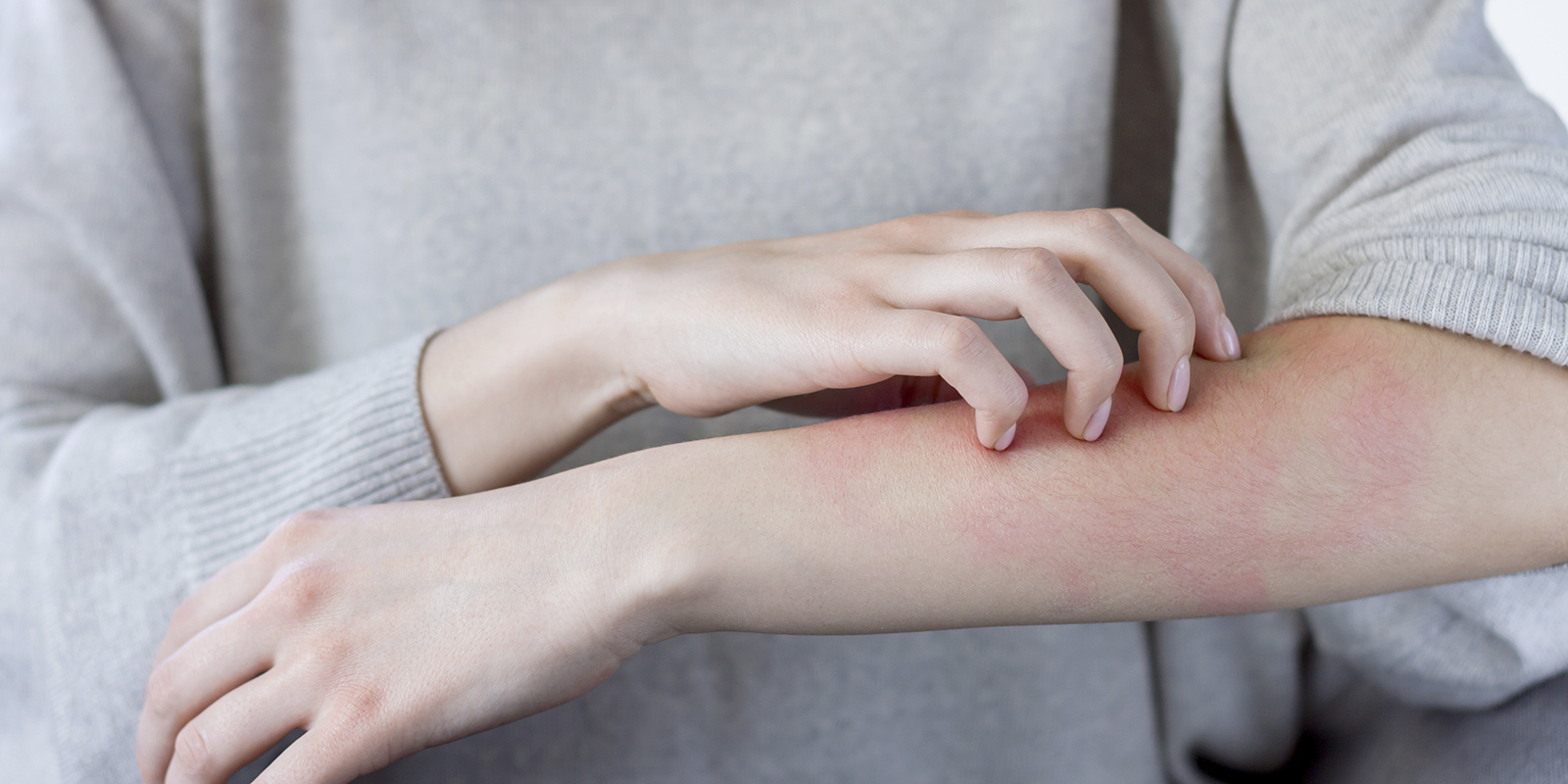
Friction from the blade generates heat and pressure, triggering an acute inflammatory response. Blood vessels dilate, immune mediators are released and transepidermal water loss increases. On sensitive skin, this reaction appears quickly as redness, stinging and a tight, uncomfortable feeling after shaving.
A compromised barrier reduces the skin's ability to defend itself. Bacteria, allergens and pollution penetrate more easily. Aging is associated with significant changes to skin structure and function⁵, and shaving adds an acute mechanical stress on top of these existing weaknesses.
Immediately after shaving, the skin activates its repair mechanisms. Blood flow increases to deliver immune cells and nutrients needed for healing. This recovery process is necessary but comes with visible redness and warmth, commonly referred to as razor burn. Proper aftercare supports this phase and limits excessive inflammation.
Which post-shave reactions are most common on sensitive skin?
Razor burn appears as widespread redness and stinging right after shaving. The inflammation comes from the combination of friction and barrier damage. The area feels hot and tender, with symptoms peaking within the first hour.
Razor bumps form differently. They are small raised lesions that develop when a cut hair grows back into the surrounding skin instead of emerging through the follicle opening. The trapped hair triggers a localized immune response and creates inflamed papules that can persist for several days.
Folliculitis develops when bacteria enter compromised follicles after shaving. It appears as pus-filled pustules around individual hairs. Areas with high sweat-gland density, underarms, bikini zone, are more vulnerable.
Pseudofolliculitis barbae (the medical name for razor bumps) is a chronic inflammatory condition caused by hairs growing back into the skin after shaving. It mainly affects people with curly or coarse hair. The condition produces erythematous papules and pustules and can lead to long-term hyperpigmentation and scarring without proper management1.
Ingrown hairs cause persistent inflammation and can leave scars. Curly or coarse hair types are at higher risk because the hair shaft naturally curves back toward the skin during regrowth. Trying to extract these hairs by hand often makes the inflammation worse and increases the risk of infection.
Why do face and body need different aftercare?
Facial skin is thinner, more sensitive and richer in sebaceous glands than body skin. It produces more natural oil and reacts faster to shaving stress, which calls for lighter, non‑comedogenic aftercare. Body skin, especially on the legs and arms, produces less sebum and dehydrates more easily, benefiting from richer, more protective formulas.
Facial hair often grows at sharper angles, increasing the risk of inflammation and ingrown hairs if aftercare is not adapted. Body hair generally grows more perpendicular to the skin, leading to different post‑shave reactions and recovery needs. These growth patterns influence how irritation develops after shaving.
The face is continuously exposed to UV radiation, pollution and temperature changes, which amplify post‑shave sensitivity. Body skin is usually shielded by clothing but is more affected by repeated fabric friction. These distinct stressors explain why face and body require different post‑shave care.
Which aftercare routine works for face shaving?
Five gestures, in order, support fast recovery.
Step by step
- Cool water rinse right after the last blade pass. Cold tightens vessels and reduces immediate redness.
- Pat the skin dry, never rub. Friction would aggravate the fresh micro-tears.
- Alcohol-free toner within the minute. Alcohol strips remaining protective oils and delays recovery.
- Lightweight soothing serum, with ingredients that calm inflammation.
- Fragrance-free moisturizer formulated for sensitive skin.
If shaving happens in the morning, broad-spectrum SPF 30 minimum is the final step. Just-shaved skin is more sensitive to UV for several hours. Mineral filters with zinc oxide sting less on compromised tissue than chemical filters.
How should you care for legs, underarms and bikini zone?
Each body area has its own needs.
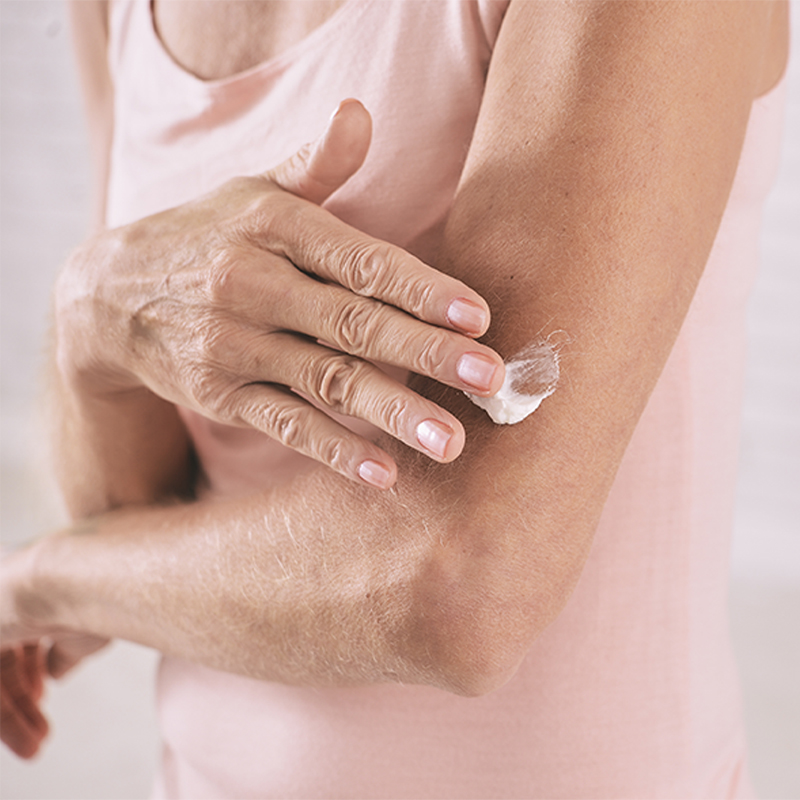
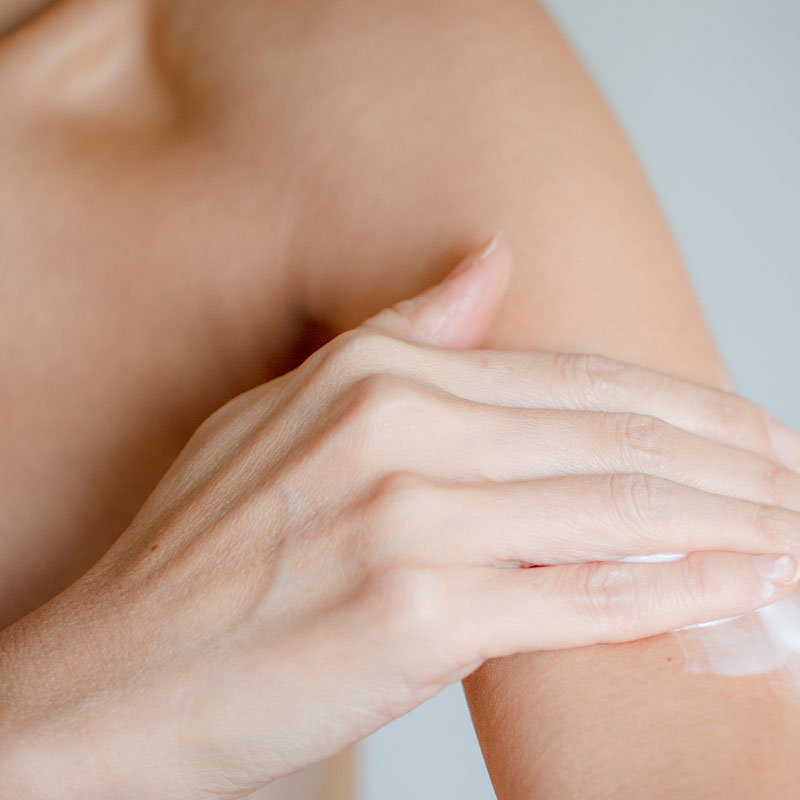
Apply a rich body cream while the skin is still slightly damp. This traps moisture inside the compromised barrier. The large surface area of the legs causes significant water loss without prompt protection.
Wait around 15 minutes before applying deodorant. This pause lets the initial barrier repair start. Aluminum-free formulas sting less on freshly shaved skin while inflammation is still active.
This zone combines thin, sensitive skin with friction from clothing. Apply a lightweight, non-greasy gel right after shaving to avoid residue buildup. Wear breathable fabrics for at least 2 hours afterward to limit occlusion and bacterial growth.
Pre-shave gentle exfoliation removes dead cells that can trap regrowing hairs. Post-shave exfoliation should be avoided, it adds barrier damage and increases the risk of infection through compromised follicles. For more details on the right method, how to exfoliate sensitive skin deserves its own approach. Pseudofolliculitis barbae prevention specifically benefits from preshaving regimens, electric razors when appropriate, and proper post-shave care1, not aggressive exfoliation right after the blade.
Wear loose, natural-fiber clothing for the 8 hours after body shaving. Tight synthetics trap heat and moisture against vulnerable skin and create ideal conditions for folliculitis to develop. Cotton lets air circulate, which supports barrier recovery.
Which soothing ingredients really work?
Vitamin B3 (niacinamide) helps improve the appearance of skin tone and supports a healthy-looking skin barrier. Topical niacinamide is well tolerated and helps improve the appearance of skin comfort and resilience4.
Panthenol (or dexpanthenol, its alcoholic analog) is a well-known skincare ingredient that helps support skin hydration and comfort. It is commonly used in after-shave care to help soothe the skin and improve the appearance of softness and smoothness2.
Two well-documented botanicals:
Allantoin (comfrey extract) supports cell renewal and helps remove dead cells that can trap regrowing hairs.
Bisabolol (chamomile) combines anti-inflammatory and antimicrobial action against bacteria responsible for post-shave folliculitis.
Ceramides are naturally occurring skin lipids commonly found in the outer layers of the skin. They are widely used in skincare to help maintain moisture and support a healthy-looking skin barrier3.
Topical formulations containing ceramides help improve the appearance of dry or stressed skin, making them especially suitable after shaving.
Glycerin works in parallel as a humectant. It draws water from deeper skin layers to hydrate the compromised surface, without the sticky residue that could trap bacteria.
How to build a long-term routine that strengthens the barrier?
Consistent care between shaving sessions reduces cumulative damage and limits reactive responses. Daily application of ceramide-rich moisturizers maintains the integrity of the lipid matrix even on non-shaving days. This proactive approach gradually lowers baseline sensitivity.
Spacing shaving sessions allows complete barrier recovery between each blade exposure. Most skin types need a few days to fully repair micro-tears and restore the lipid matrix. Shaving every day prevents this recovery and creates chronic compromise.
Adequate water intake directly impacts the hydration capacity of the upper skin layers. Well-hydrated skin tolerates the mechanical trauma of shaving better than chronically dehydrated tissue.
Omega-3 fatty acids reduce inflammation throughout the body, including in skin tissue. Vitamins A, C and E support cell renewal and protect against oxidative damage. A balanced diet rich in these elements supports the entire system that responds to the small mechanical injury of shaving.
Beyond the post-shave moment, a coherent daily approach makes a difference. The skincare routine for sensitive skin follows the same principles as good aftercare: gentle cleansing, soothing actives, daily protection.
When does post-shave irritation require a dermatologist?
Most reactions resolve in 24 to 48 hours with proper aftercare. Some signals justify a professional consultation :
Folliculitis lasting beyond 10 days despite consistent aftercare.
Severe razor bumps with significant scarring or persistent dark spots.
Painful cysts or abscesses forming inside follicles.
Reactions that go beyond the shaved area or recur frequently.
Unusual hair growth patterns or chronic ingrown hairs that may signal hormonal imbalance.
Seek immediate medical attention in case of fever, spreading warmth around shaved areas, or red streaks extending from the affected zone. These symptoms can indicate cellulitis or a systemic infection that requires urgent antibiotic treatment.
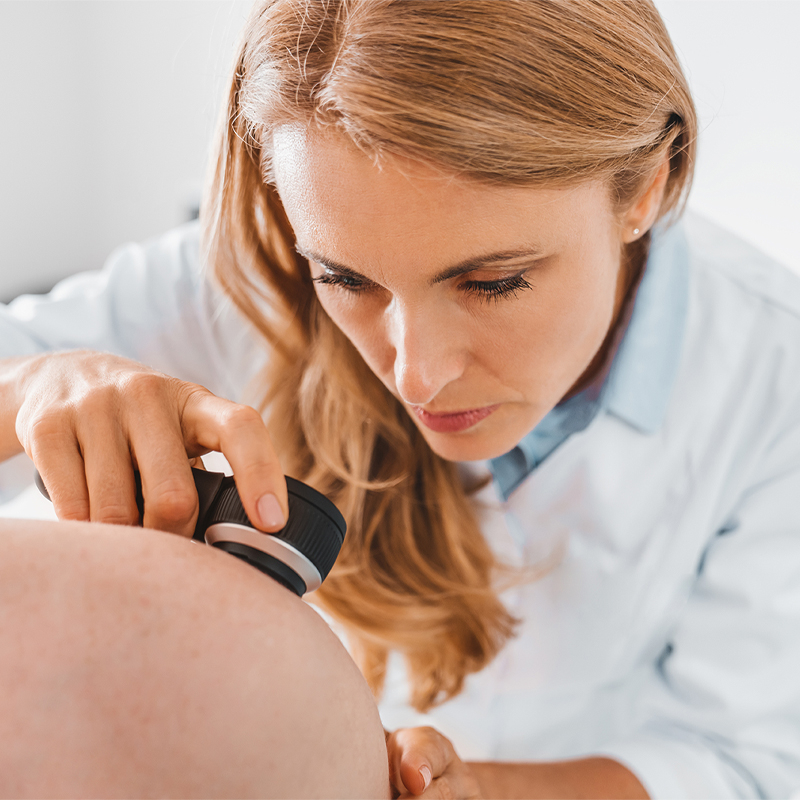
Chronic post-shave reactions sometimes signal undiagnosed skin conditions: eczema, psoriasis, contact dermatitis. A dermatologist can perform patch testing to identify the specific allergens behind the persistent inflammation. Conditions like polycystic ovary syndrome can also affect hair texture and growth cycles, complicating shaving regardless of technique.
Which gentle cleansing routine suits post-shave sensitive skin?
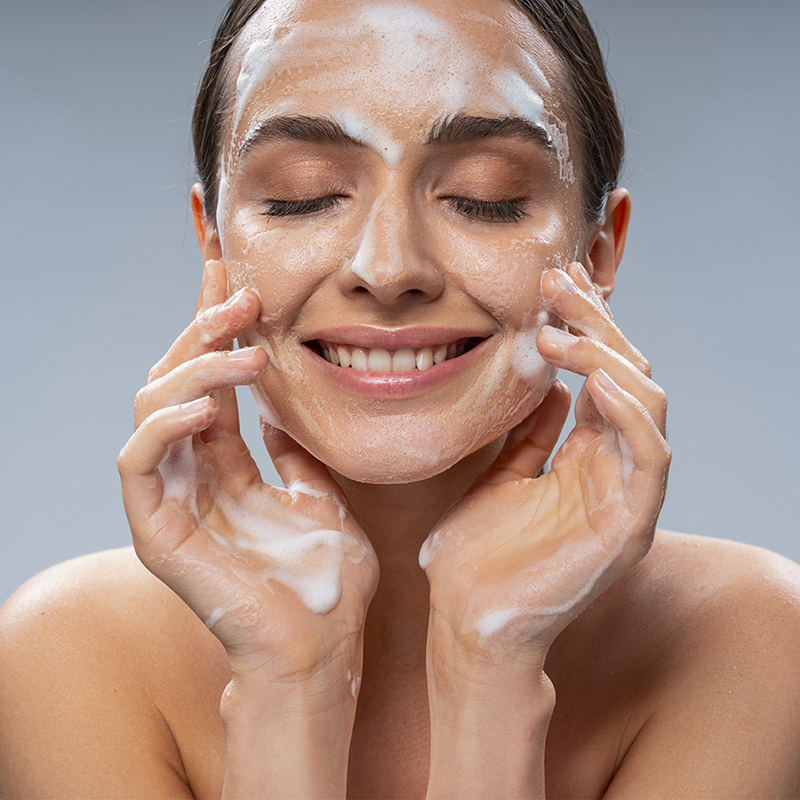
Cleansing after shaving removes residual shaving cream, bacteria and pollution accumulated during the process. Traditional soaps disrupt pH balance and strip the protective lipids exactly when the barrier needs them most.
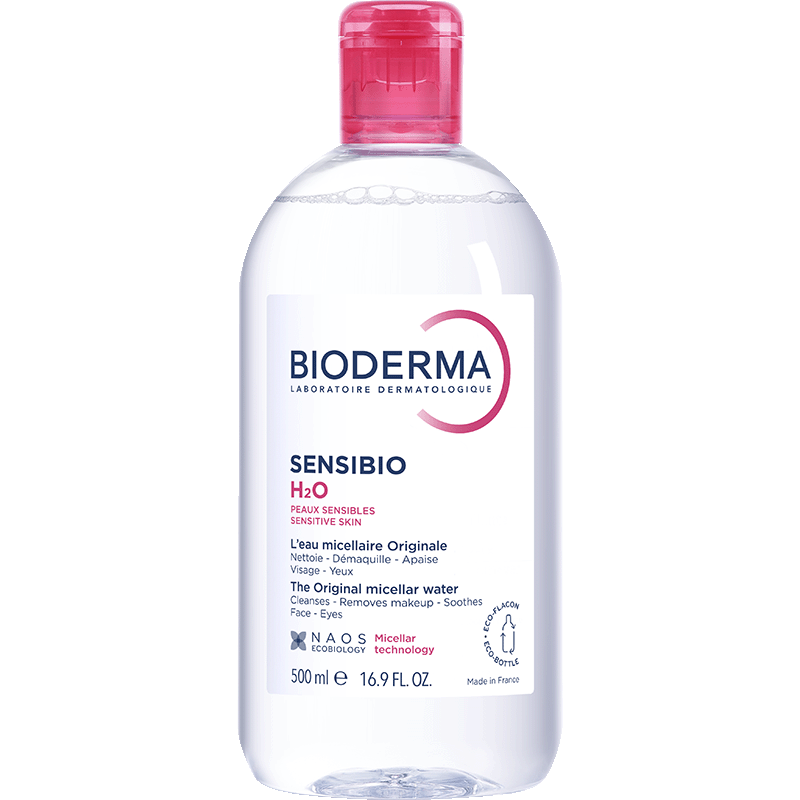
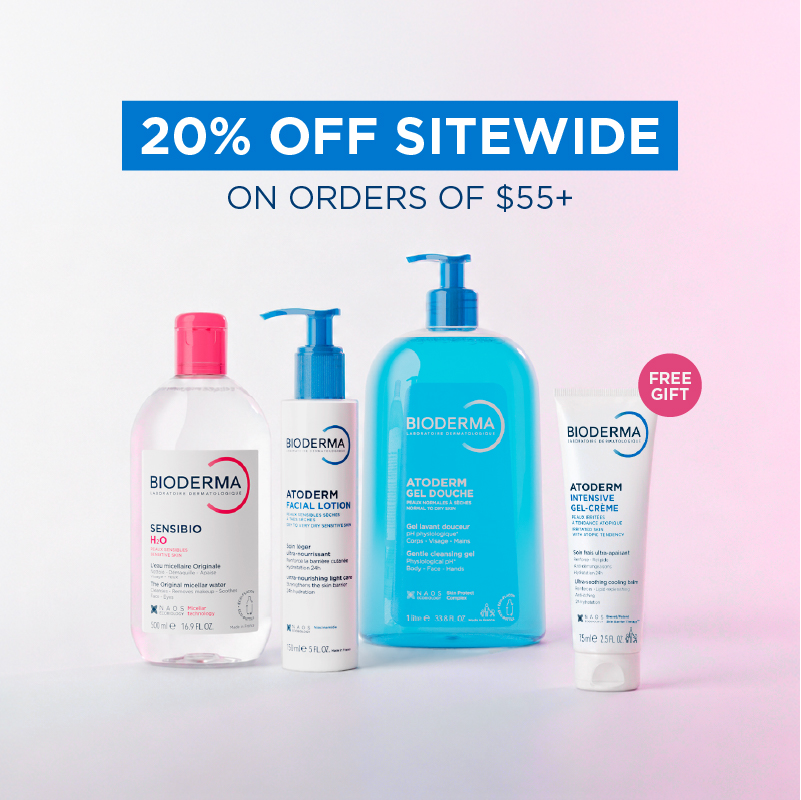
A gentle micellar cleanser for sensitive skin, like SENSIBIO H2O, uses microscopic cleansing molecules that capture impurities by simple application on a cotton pad. The no-rinse formula helps minimize friction and avoids the need for additional water, helping maintain skin comfort after shaving. The solution maintains the skin's physiological pH around 5.5, which supports natural repair.
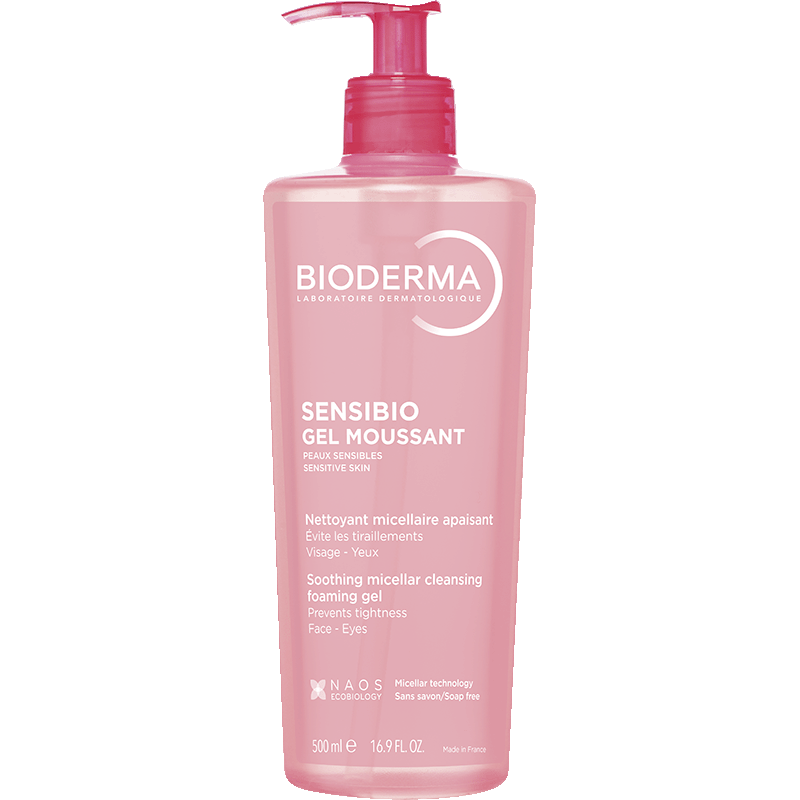
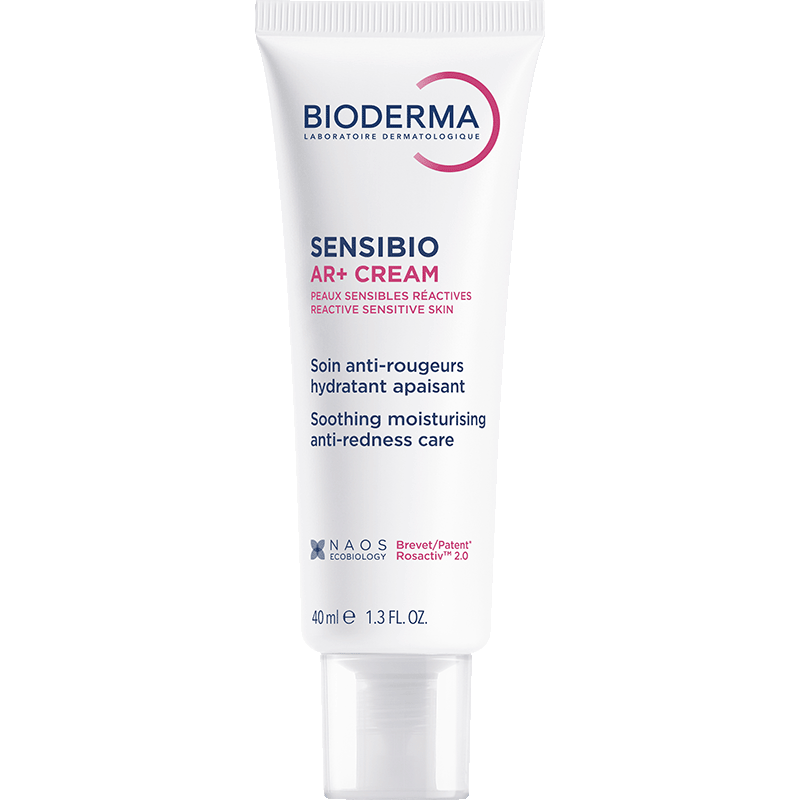
If you prefer foam cleansing, a gentle foaming cleanser for sensitive skin, like SENSIBIO FOAMING GEL, without harsh sulfates protects barrier integrity. It cleanses effectively while supporting moisture retention. After cleansing, an anti-redness cream for sensitive skin, like SENSIBIO AR+ CREAM, addresses inflammation at its source while strengthening the compromised barrier with biomimetic ingredients. This layered approach addresses both immediate discomfort and long-term skin resilience.
Common questions about post-shave care
Typical razor burn resolves within 24 to 48 hours with proper aftercare. Severe cases involving deeper barrier damage may require 3 to 5 days for complete resolution. Persistent redness beyond a week suggests an underlying infection or chronic inflammation that requires medical evaluation.
Gentle exfoliation 24 hours before shaving removes the dead cells that can trap regrowing hairs. Shave in the direction of hair growth rather than against it, even if it leaves slightly longer stubble. Single-blade razors create cleaner cuts with less tissue trauma than multi-blade systems. Spacing sessions allows the barrier to fully recover.
Avoid products with denatured alcohol, synthetic fragrances and menthol derivatives. These ingredients give a temporary cooling sensation but actually increase barrier permeability and inflammatory responses. Sodium lauryl sulfate and some essential oils also trigger reactions on compromised skin.
Scientific references
- Insights into the role of grooming modifications and preventative approaches in Pseudofolliculitis barbae: A narrative review of hair removal practices (JAAD Reviews – Olagun-Samuel et al., 2025) https://www.jaadreviews.org/article/S2950-1989(24)00064-3/fulltext
- Dexpanthenol in Wound Healing after Medical and Cosmetic Interventions (Postprocedure Wound Healing) (Pharmaceuticals – Gorski et al., 2020) https://pmc.ncbi.nlm.nih.gov/articles/PMC7407203/
- The role of ceramides in skin barrier function and the importance of their correct formulation for skincare applications (International Journal of Cosmetic Science / Wiley – Schild et al., 2024) https://onlinelibrary.wiley.com/doi/full/10.1111/ics.12972
- Mechanistic Insights into the Multiple Functions of Niacinamide: Therapeutic Implications and Cosmeceutical Applications in Functional Skincare Products (Antioxidants – Marques et al., 2024) https://pmc.ncbi.nlm.nih.gov/articles/PMC11047333/
- Clinical consequences of age-related skin barrier dysfunction—Part I: Structural, molecular, and physiologic changes with cutaneous aging (Journal of the American Academy of Dermatology – Wahhab et al., 2024) https://www.jaad.org/article/S0190-9622(24)02752-X/abstract
Author
Content written by the BIODERMA USA editorial team and medically reviewed by Anaïs Caldirola, Medical lead at NAOS, ensuring accuracy and scientific reliability. Medical information is based on established dermatological and nutritional references.