



LABOR DAY: 10% OFF WITH 1 | 15% OFF WITH 2 | 20% OFF WITH 3+ SHOP NOW

Shaving for sensitive skin: how to protect a fragile skin barrier

Reading time : 10 min

Redness, razor burn, persistent discomfort: these reactions are not a sign of poor shaving habits but symptoms of a sensitive skin barrier struggling with mechanical stress. This guide explains the biological mechanisms behind reactivity, provides face- and body-specific techniques, and outlines a long-term strategy to restore barrier function.

 

Key takeaways from this guide


  • Sensitive skin reacts more. A weakened barrier cannot regulate inflammation efficiently.

  • Recognize signals first. Tightness, persistent redness and stinging mean reactivity.

  • Face and body differ. Different skin thickness, oil glands and movement zones.

  • Tools matter. Sharp blades, single-blade razors, fragrance-free formulas.

  • Common mistakes worsen it. Excessive pressure, daily shaving, against-the-grain passes.

  • Build a long-term routine. Consistent barrier care reduces reactivity over time.

Sensitive skin image

Why does sensitive skin react differently to shaving?


Sensitive skin experiences shaving differently because its protective barrier works less efficiently than normal skin. The outer layer, the stratum corneum, keeps moisture in and blocks irritants out. When this barrier is compromised, the skin becomes more vulnerable to mechanical stress. Aging is associated with significant changes to skin structure and function, which directly affect how well the skin can defend itself⁵.


Shaving creates multiple micro-traumas on the surface. The blade removes hair along with tiny portions of the upper layers. On reactive skin, this triggers an inflammatory response more easily. Research shows that poor-quality shaving can cause nicks, cuts and a significant inflammatory response, mediated by the high concentration of immune cells, blood vessels and nerve endings within the perifollicular skin.


Shaving-related irritation is the most common male cosmetic consumer complaint, reported by 88% of men, making it a widespread issue rather than an exception2.

A weakened barrier allows water loss and lets irritating substances in more easily. Shaving products with alcohol or synthetic fragrances penetrate deeper, causing redness and discomfort. The skin's natural defenses cannot repair themselves quickly enough between two shaves.


When the blade passes over delicate skin, immune cells release inflammatory mediators. This response is meant to protect the tissue, but it shows up as burning sensations and visible irritation. Understanding this mechanism explains why gentle technique and proper preparation matter so much for reactive skin types.


Sensitive skin image

How can you recognize reactive skin before you shave?


Identifying reactive skin before shaving prevents discomfort and tissue damage. Several visual and sensory signals point to higher sensitivity. Sensitive skin is widespread: surveys show that around 60-70% of women and 50-60% of men report having some degree of sensitive skin1, not a niche issue.


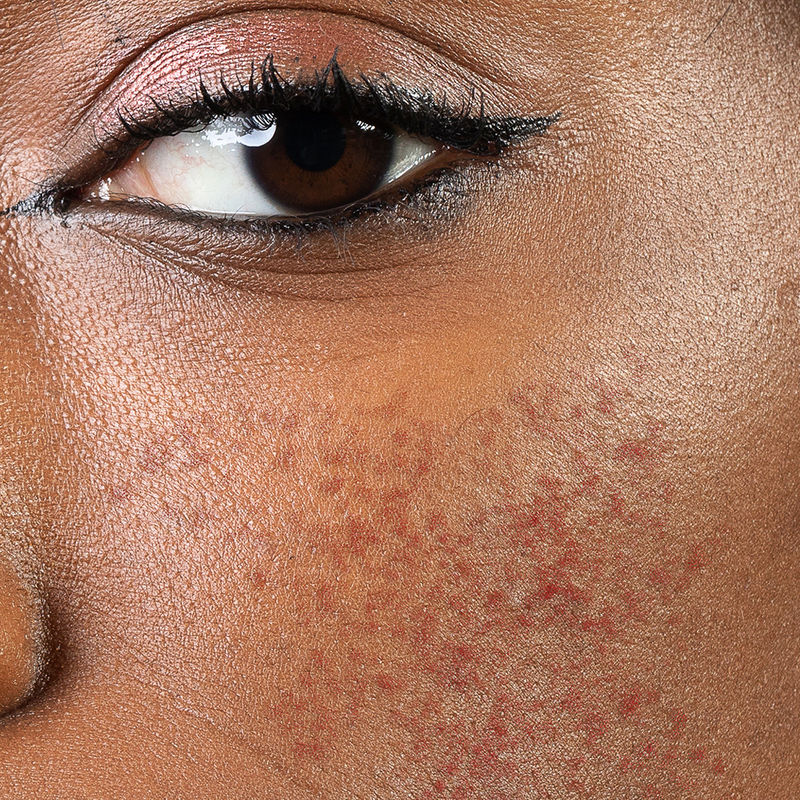
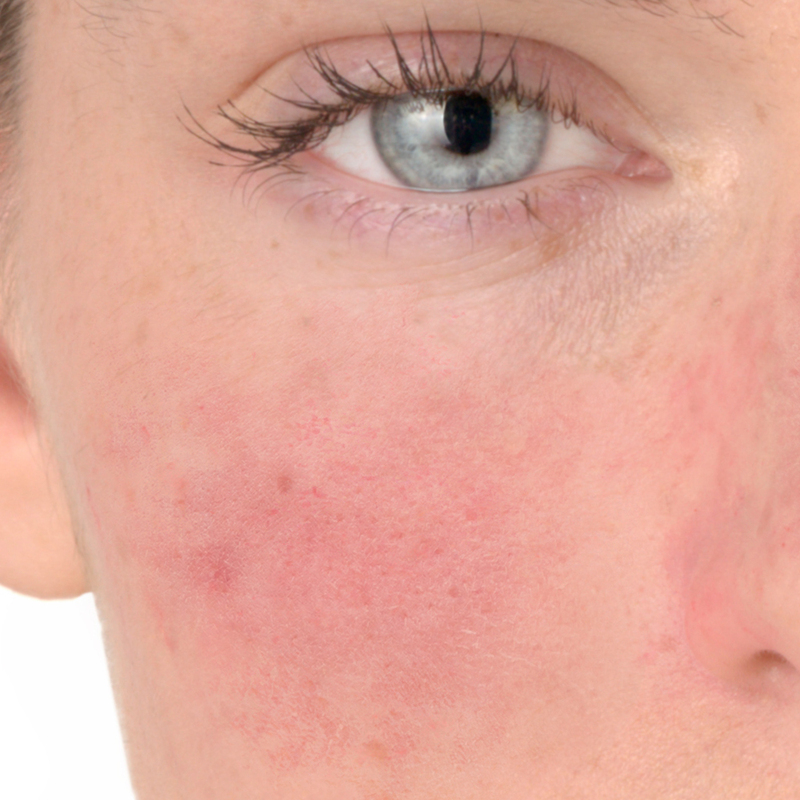
Persistent redness on the cheeks or jawline indicates a compromised barrier. Tightness after washing or sudden reactions to new products also signal sensitivity. These are not occasional irritations, they reveal an underlying skin condition that requires specific care.

Three signs to look for in shaving zones :


  • Small raised bumps or dry patches scattered across the area.

  • Uneven texture after cleansing.

  • Visible blood vessels through thinner skin.


Burning, stinging or itching during or just after applying products reveal sensitivity. The skin can feel uncomfortable without visible changes. If discomfort happens often with different products, the skin most likely falls into the reactive category. Paying attention to these signals helps prevent razor burn and lays the foundation for protective shaving practices.


Sensitive skin image

Why do face and body need different shaving approaches?


Facial skin and body skin have distinct biological characteristics that demand adapted methods. The face has higher nerve density and a thinner epidermis, making it more prone to irritation. The legs or underarms have thicker skin but face other challenges related to friction and contact with clothing.


Facial hair often grows in multiple directions, especially around the neck and chin. This pattern requires precise technique to follow the direction of growth. Body hair generally grows more uniformly, allowing wider strokes with less complexity.

The face has more sebaceous glands that produce natural oils. These oils can interfere with blade glide if not properly managed. Body skin, on the other hand, faces more external friction from clothing, which creates additional sensitivity after shaving.


Thinner facial skin needs lighter pressure and sharper blades to avoid dragging. Thicker body skin tolerates slightly more pressure but requires special attention in fold areas. These anatomical differences explain why a single universal approach to shaving cannot deliver the same comfort across all zones.


Sensitive skin image

How to shave the face when you have sensitive skin?


Proper facial shaving on reactive skin starts with thorough preparation. Five steps :

  1. Cleanse with lukewarm water to remove surface oils and soften hair follicles.
  2. Apply a protective layer specifically formulated for sensitivity before introducing the blade.
  3. Use short controlled strokes following the natural direction of hair growth.
  4. Never apply excessive pressure, the blade's weight provides sufficient contact.
  5. Rinse the razor after every two to three strokes to keep edges clean.


Map the hair growth pattern before starting. Most men have downward growth on the cheeks but variable directions on the neck. Shave with the grain on the first pass. If extra smoothness is needed, reapply protection and make a second pass at a slight angle, never directly against the grain.


Rinse with cool water to close pores and remove residue. Pat skin dry gently, rubbing increases irritation. Apply a soothing, alcohol-free product within three minutes to lock in moisture. The aftercare for shaving step deserves its own structured routine to fully support barrier recovery between sessions.


Sensitive skin image

How to shave the body when you have sensitive skin?


Body shaving requires adjustments depending on the area treated. Legs, underarms and bikini area each present specific challenges for reactive skin. The key principle remains the same: protect the barrier and minimize mechanical stress through proper technique.


Start with gentle exfoliation 24 hours before shaving to remove dead cells that can trap regrowing hairs. The right method is detailed in how to exfoliate sensitive skin. On shaving day, hydrate the skin in a warm shower for at least three minutes. This significantly softens the hair, dry shaving should never be attempted on sensitive body skin.

Three specific approaches :


  • Legs. Long continuous strokes following hair growth. Extra caution on the shin area, due to bone proximity and thinner skin.

  • Underarms. Short strokes due to multidirectional hair growth in a small space.

  • Bikini area. Stretch the skin gently to create a flat surface and reduce blade drag.

Areas where clothing creates constant contact need special attention. Apply a thicker protective layer before shaving these zones. After shaving, let the skin breathe for several hours before wearing tight fabrics. Friction-related irritation is a common cause of body shaving discomfort.


Sensitive skin image

Which tools and products really make a difference?


Equipment selection has a direct impact on comfort for reactive skin. Sharp, clean blades are the single most important factor. Dull blades require more pressure and create irregular cuts that increase inflammation. Replace cartridges after five to seven uses, or sooner if there is any tugging during shaving.


Single-blade razors often work better for extremely sensitive skin because they reduce repeated friction. Multi-blade systems perform multiple passes in a single stroke, which can overwhelm delicate tissue. Electric shavers offer an alternative by cutting hair just above skin level, although they may not deliver the same closeness.

Choose a fragrance-free shaving cream with a thick, cushioning texture. Useful ingredients :


  • Glycerin provides slip and humectancy.

  • Allantoin calms reactive tissue.

  • Avoid alcohol, menthol and synthetic dyes, common reaction triggers.

Rinse the razor thoroughly after each use and store it dry to prevent bacterial growth. Never share a razor, this transfers microorganisms that can infect compromised skin. Keep backup blades on hand to avoid continuing with a dulled edge out of convenience.


Sensitive skin image

Which mistakes can make sensitivity worse?


A few common errors compound sensitivity issues unnecessarily.

Many people believe pressing harder gives a closer result. In practice, this approach removes protective skin layers and increases the need for razor burn prevention. The blade should glide across the surface with minimal force.


Shaving too often prevents the skin from completing its natural repair cycle. Reactive skin needs at least 48 hours between two passes to rebuild its barrier. Daily shaving disrupts this process and sustains chronic inflammation.


Three frequent mistakes :


  • Using the same razor for face and body, spreads bacteria between zones with different microbial environments.

  • Shaving against the grain during the first pass, creates immediate trauma and increases ingrown hair risk.

  • Starting without preparation, rushing through dry or barely hydrated skin guarantees irritation.


Razor bumps have a specific medical name: pseudofolliculitis barbae (PFB), a chronic inflammatory condition primarily affecting individuals with curly or coarse hair, characterized by recurrent pustules secondary to penetration of the epidermis by the hair shaft after it has been cut3. Prevention rests on technique adjustments rather than aggressive care.


Sensitive skin image

How to build a long-term approach to reduce sensitivity?


Reducing reactivity requires a sustained commitment to barrier restoration. The goal: gradually strengthen the epidermis between shaving sessions.

A consistent skincare routine for sensitive skin between shaves helps maintain skin comfort and supports a healthy-looking skin barrier over time.


Apply a barrier-supporting moisturizer with ceramides and niacinamide daily.


Ceramides are naturally occurring skin lipids commonly found in the outer layer of the skin and are known to help maintain moisture and improve the appearance of dry or sensitive skin⁴.


Exfoliating two to three times per week on non-shaving days removes dead cells without stripping protective layers. Choose chemical exfoliants like lactic acid over physical scrubs that create micro-tears. This practice prevents ingrown hairs while preserving skin integrity, creating a more resilient surface for the next shave.


Temporarily extending the time between shaves allows full healing. If the skin shows persistent redness or discomfort, consider shaving every three days instead of daily for a few weeks. This adjustment gives the barrier the time it needs to normalize.


Note how the skin reacts to changes in technique or products. Keep notes on which approaches give the least irritation. Skin behavior changes with seasons, stress and age, what works now may need adjustment later. This long-term perspective turns shaving from a recurring problem into a manageable part of personal care, with predictable results.


Sensitive skin image

How to cleanse sensitive skin around shaving without disrupting the barrier?


Proper cleansing before and after shaving directly impacts comfort and barrier integrity. Pre-shave cleansing removes surface debris, excess sebum and pollution that interfere with blade glide and trap bacteria against compromised tissue. Post-shave cleansing removes residual product and tiny pieces of cut hair that can trigger inflammation.


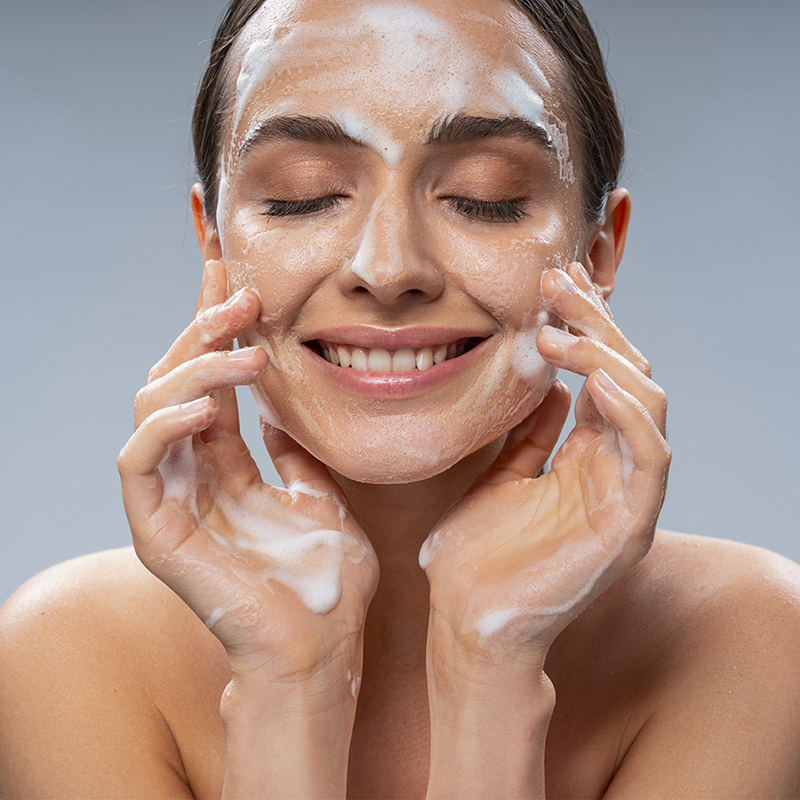
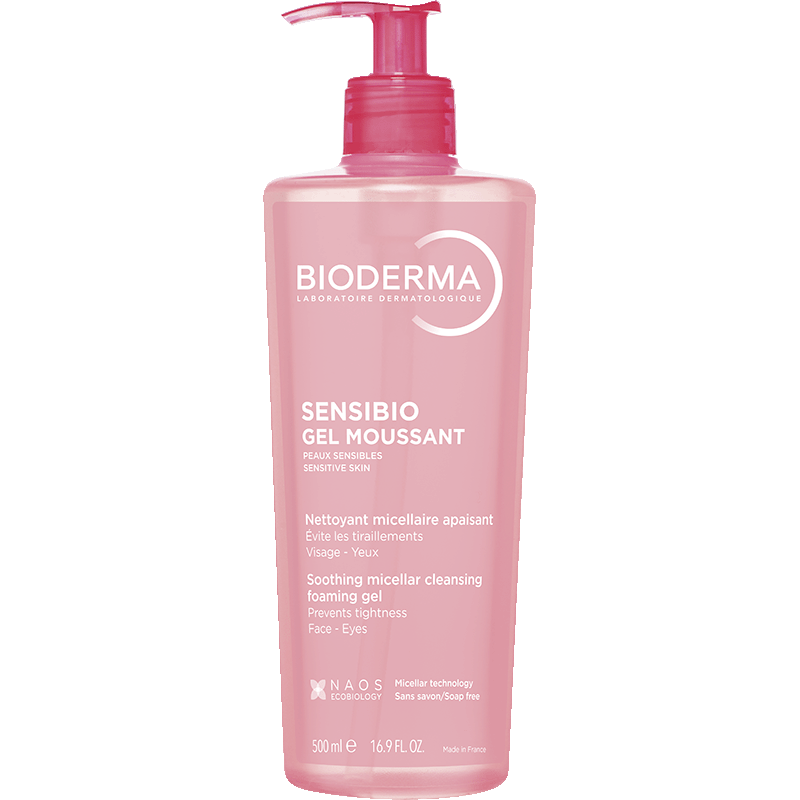
On reactive skin, the formula matters as much as the technique. Harsh surfactants strip protective lipids and worsen barrier dysfunction. A gentle foaming cleanser for sensitive skin, like SENSIBIO FOAMING GEL, maintains physiological pH while removing impurities without disruption.


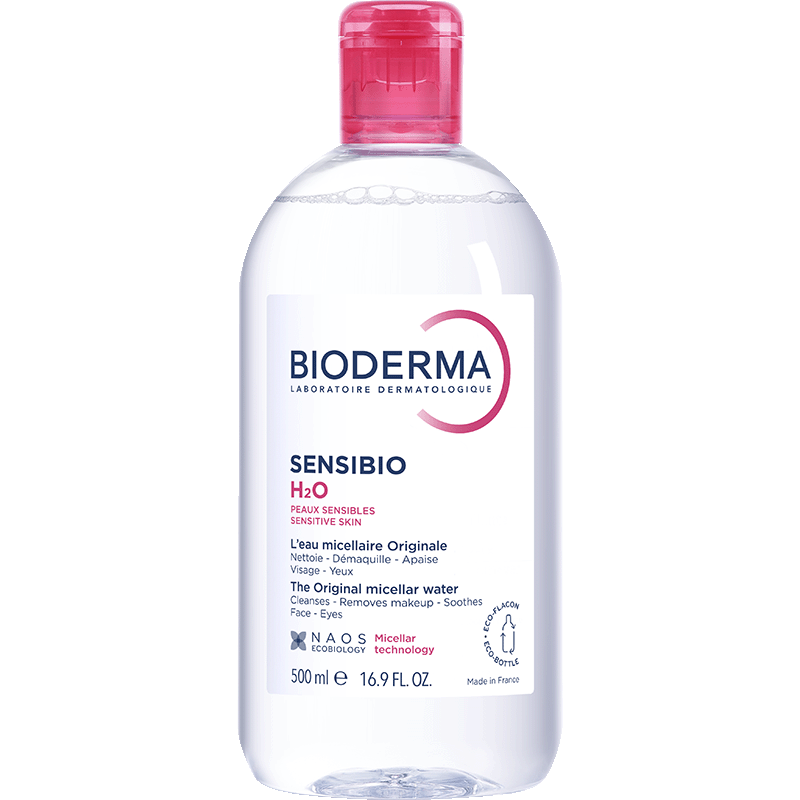
For post-shave moments when water contact might sting freshly shaved areas, a gentle micellar cleanser for sensitive skin, like SENSIBIO H2O, offers a no-rinse alternative. The micelles capture impurities through lipid affinity rather than through aggressive detergents, preserving the natural protective film.


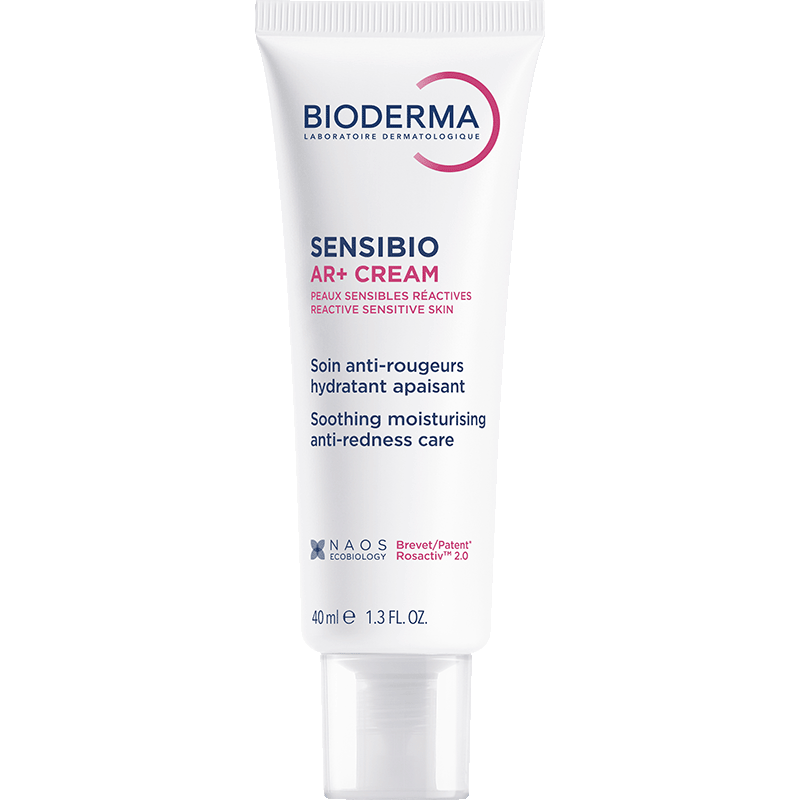
For persistent redness, follow cleansing with a cream to reduce the appearance of redness on sensitive skin, like SENSIBIO AR+ CREAM, that contains biomimetic lipids that help support the skin barrier. This layered approach helps provide immediate comfort and supports the skin barrier over time, helping to improve the appearance of skin reactivity and sensitivity.

Common questions about shaving for sensitive skin


The optimal approach combines thorough preparation, proper technique and quality tools. Hydrate the skin with warm water for three to five minutes before shaving. Apply a thick, fragrance-free protective layer. Use a sharp blade with light pressure, following hair growth direction. Rinse with cool water and apply soothing aftercare immediately. This method minimizes trauma while achieving effective hair removal.


Prevention starts with exfoliation before shaving to clear follicle openings. Never shave against the grain on the first pass. Replace dull blades promptly and avoid applying pressure. After shaving, use alcohol-free products with soothing ingredients. If bumps appear, apply a warm compress and avoid shaving the area until it heals. Pseudofolliculitis barbae, the medical term for chronic razor bumps, requires consistent technique adjustments.


Shaving removes protective surface layers along with hair, exposing more vulnerable tissue. Reactive skin has a compromised barrier that cannot regulate inflammation efficiently. The mechanical action triggers immune responses more easily. Products with harsh ingredients also penetrate deeper, adding chemical irritation to the physical trauma. Understanding this mechanism explains why a comprehensive care protocol is necessary.


Scientific references


  1. The Prevalence of Sensitive Skin (Frontiers in Medicine – Farage, 2019) https://pmc.ncbi.nlm.nih.gov/articles/PMC6533878/
  2. Development of a novel in vitro strategy to understand the impact of shaving on skin health: combining tape strip exfoliation and human skin equivalent technology (Frontiers in Medicine – Hicks et al., 2023) https://pmc.ncbi.nlm.nih.gov/articles/PMC10652890/
  3. Insights into the role of grooming modifications and preventative approaches in Pseudofolliculitis barbae: A narrative review of hair removal practices (JAAD Reviews – Olagun-Samuel et al., 2025) https://www.jaadreviews.org/article/S2950-1989(24)00064-3/fulltext
  4. The role of ceramides in skin barrier function and the importance of their correct formulation for skincare applications (International Journal of Cosmetic Science / Wiley – Schild et al., 2024) https://onlinelibrary.wiley.com/doi/full/10.1111/ics.12972
  5. Clinical consequences of age-related skin barrier dysfunction—Part I: Structural, molecular, and physiologic changes with cutaneous aging (Journal of the American Academy of Dermatology – Wahhab et al., 2024) https://www.jaad.org/article/S0190-9622(24)02752-X/abstract

Author


Content written by the BIODERMA USA editorial team and medically reviewed by Anaïs Caldirola, Medical lead at NAOS, ensuring accuracy and scientific reliability. Medical information is based on established dermatological and nutritional references.