



BLACK FRIDAY IS ON! UP TO 25% OFF + FREE 7-PIECE GIFT WITH $75+

SHOP NOW

Subscribe to our newsletter

Get 10% off your first order, plus the latest updates and news!

Normal, dry to atopic skin

Dry skin bumps: understanding and managing keratosis pilaris

Reading time : 6 min

keratosis pilaris

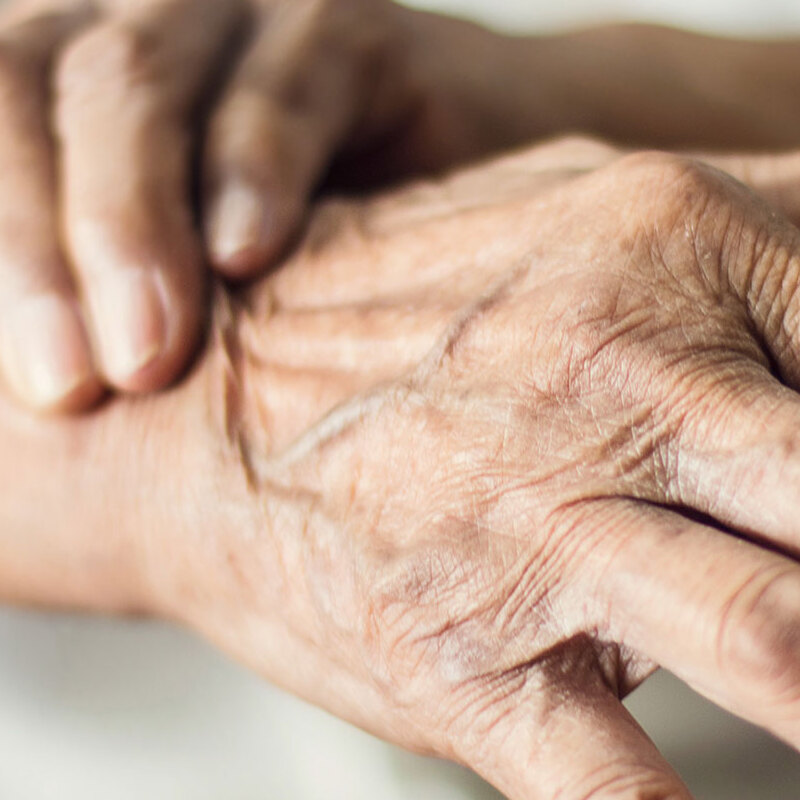
If you have small, rough bumps on your arms, thighs, or cheeks that never seem to fully smooth out, you are not alone. This is most likely keratosis pilaris, a common skin condition affecting an estimated 50 to 80% of adolescents and around 40% of adults, making it one of the most widespread skin concerns dermatologists encounter.1 Despite how common it is, keratosis pilaris is often misunderstood and simply dismissed as "bumpy skin," with little explanation of why it happens or how to care for it properly.
 

The reassuring news is that keratosis pilaris is harmless and, with the right approach, genuinely manageable. Understanding what is happening beneath the surface is the first step. This guide walks through the causes, symptoms, and most effective treatment options, so you can build a routine that visibly improves your skin's texture and comfort over time. 


Key takeaways from this guide

 
  • Dry skin bumps, often caused by keratosis pilaris, are extremely common and not a sign of poor hygiene or care.
  • Keratosis pilaris is genetic, non-contagious, and generally harmless, though it can affect confidence.
  • Regular moisturizing and gentle exfoliation are the most effective ways to manage the condition.
  • Hot water and harsh products can worsen symptoms by damaging the skin barrier.
  • Consult a dermatologist if bumps become painful, persistent, or significantly change in appearance.


What causes keratosis pilaris?

 

Keratosis pilaris runs in families. If a parent or sibling has it, your own likelihood of developing it increases substantially. Genetics play a real but partial role here: research has found that approximately 35% of people with keratosis pilaris carry a mutation in the filaggrin gene, a protein essential to maintaining the skin's barrier function, showing that genetics is one piece of the picture rather than the whole explanation.2


Environmental conditions can make keratosis pilaris noticeably worse. Cold, dry air pulls moisture from the skin, often making bumps more pronounced in winter months. Indoor heating adds to the problem by further reducing humidity. The good news is that environmental triggers, unlike genetics, are something you have real control over through consistent skincare habits.


Symptoms of dry skin bumps and keratosis pilaris


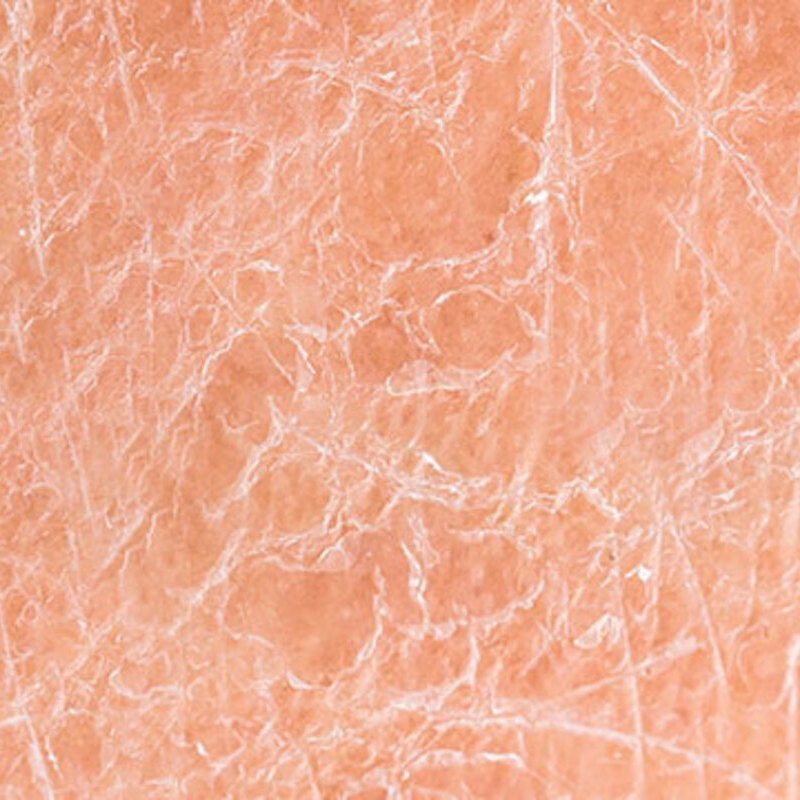
Keratosis pilaris typically shows up as small, painless bumps with a rough, sandpaper-like texture. They commonly cluster on the arms, thighs, and cheeks. The surrounding skin can look slightly dry or mildly red, though significant inflammation is uncommon.


Most cases of keratosis pilaris are harmless and purely cosmetic. That said, it is worth seeing a dermatologist if:

  • Bumps become painful or increasingly itchy
  • You notice a sudden or significant change in skin texture
  • Symptoms are affecting your confidence or daily comfort

Early guidance from a dermatologist can help you find an approach that actually works for your skin, rather than relying on trial and error.
 

How to treat dry skin bumps


A good moisturizer is the foundation of any keratosis pilaris routine. Ingredients like urea and lactic acid are particularly effective because they gently exfoliate while also softening the skin. The data here is compelling: in a 12-week clinical trial, lactic acid reduced keratosis pilaris bumps by 66%, while salicylic acid achieved a 52% reduction, both statistically significant improvements.3 Retinoid creams can also help by encouraging healthy cell turnover, though they are best introduced gradually to avoid irritation.


topical treatments alone are not delivering the results you want, a dermatologist can offer more targeted options. In one study, dermatologists treated one arm with fractional CO2 laser while leaving the other untreated for comparison, and found that 30% of treated areas showed moderate to good improvement after 12 weeks.4 Chemical peels can offer similar benefits by removing built-up dead skin and improving texture more directly. These approaches are generally reserved for more persistent or bothersome cases, and a dermatologist can help determine whether they make sense for your skin.


Preventing and managing dry skin bumps long term


Small daily habits make a real difference over time:

  • Moisturize daily with a fragrance-free formula to maintain hydration
  • Choose lukewarm showers over hot ones. The skin barrier impact is measurable: a clinical study found that hot water exposure more than doubled water loss through the skin compared to cooler water, while also increasing skin pH and visible redness5
  • Pat skin dry gently rather than rubbing
  • Wear breathable fabrics like cotton to reduce friction and irritation

If your skin tends to run dry more broadly, it is worth understanding the distinction between dry skin and dehydrated skin, since the two are often confused but call for different care approaches.
 

Consistency matters more than intensity when it comes to keratosis pilaris. A gentle exfoliating routine once or twice a week helps prevent dead skin buildup without overdoing it. Using a humidifier indoors during dry seasons can also meaningfully reduce flare-ups by keeping ambient humidity higher.
 

For those managing both keratosis pilaris and eczema, it is worth understanding how the two conditions differ, since their triggers and treatments are not the same. Our guide on eczema versus dry skin breaks down the distinction clearly.
 

dermatologists

The right products to support dry, bumpy skin


Building the right routine matters just as much as understanding the science behind it. Here is how a few key Atoderm products fit into managing keratosis pilaris and dry skin bumps.
 

Atoderm Ultra Cream is an ultra-nourishing daily moisturizer formulated for normal to dry skin, making it a strong everyday option for maintaining hydration and softening rough texture over time.
 

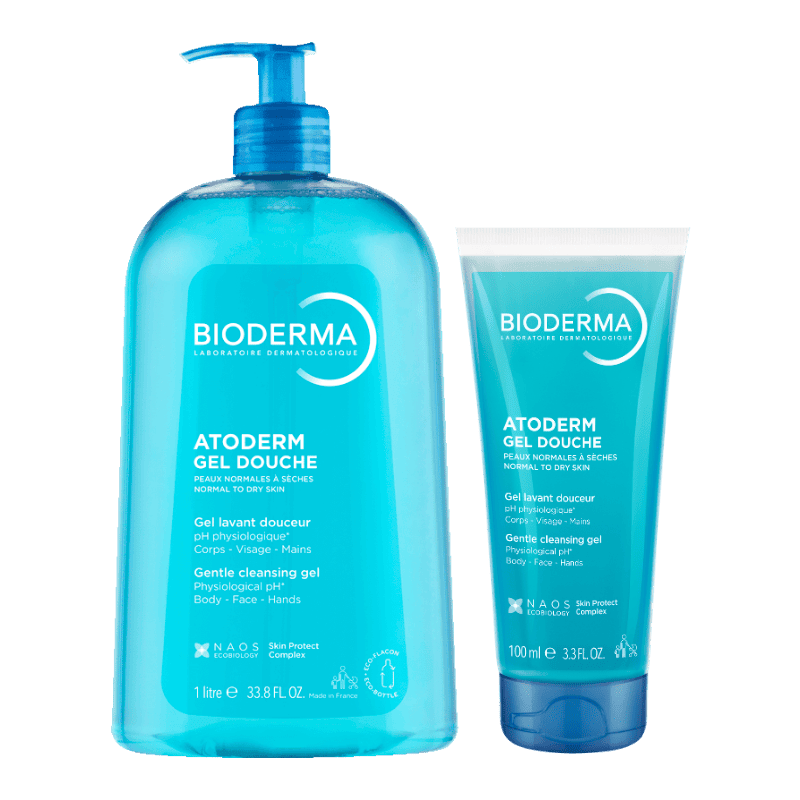
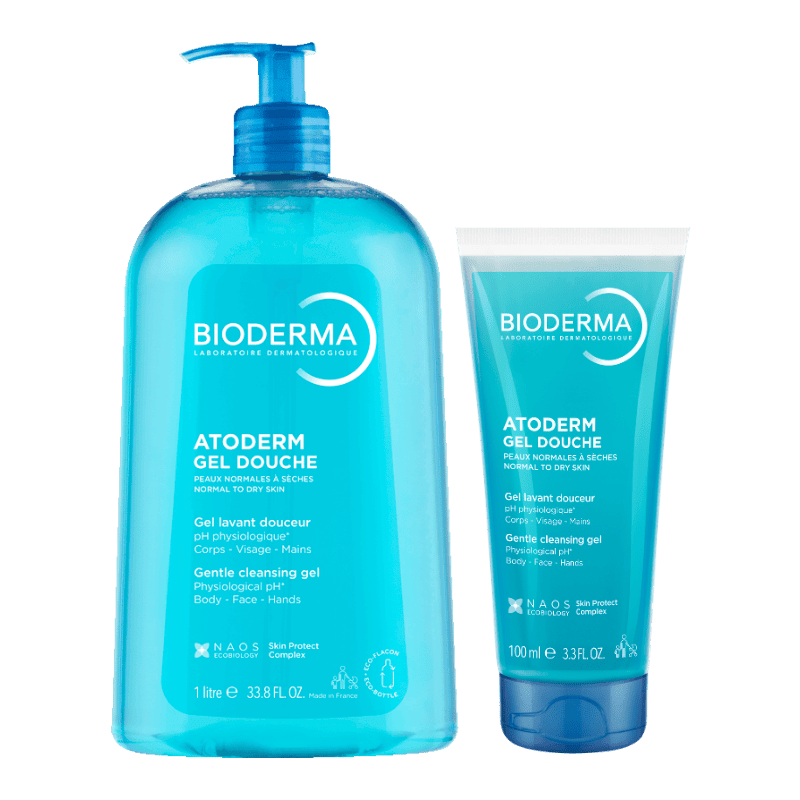
For cleansing, Atoderm Shower Gel offers a gentle, soap-free formula that cleanses without stripping the skin barrier, an important consideration given how easily harsh cleansing can aggravate dry, bumpy skin.
 

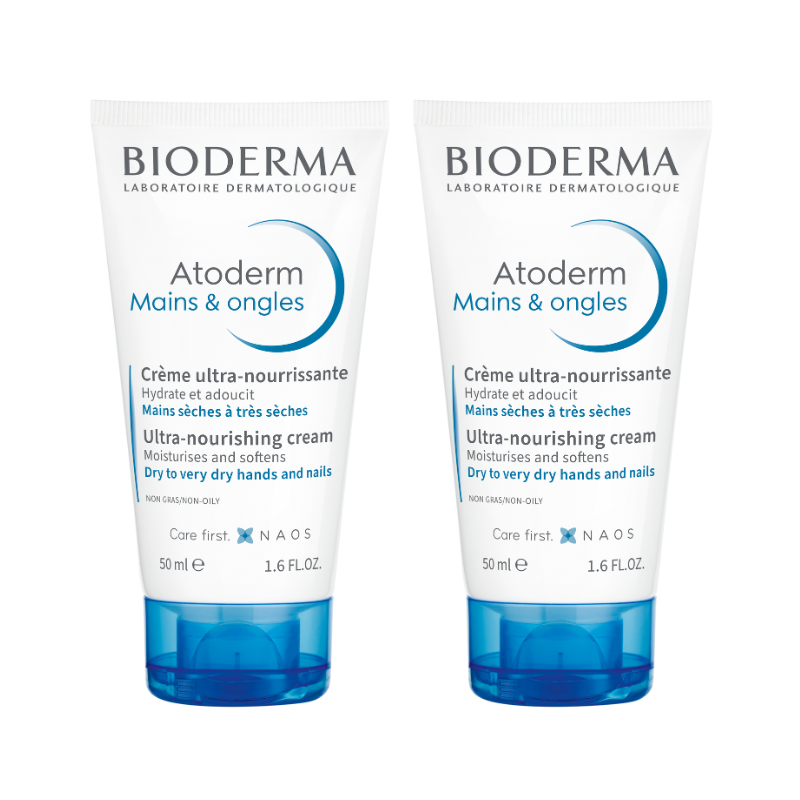
For particularly rough or textured patches, Atoderm Hands & Nails can also help. Its ultra-nourishing formula, designed for dry to very dry skin, isn't limited to hands alone and can be a useful addition for extra-rough areas like elbows that often accompany keratosis pilaris.
 

Frequently asked questions


Regular exfoliation and consistent moisturizing are the most effective ways to reduce dry, bumpy skin. Products containing alpha-hydroxy acids like lactic acid tend to deliver the most noticeable improvement.
 

Dermatitis bumps typically appear red and inflamed, often accompanied by itching or visible irritation, which sets them apart from the generally painless, sandpaper-like texture of keratosis pilaris.
 

No. Scraping or aggressively exfoliating keratosis pilaris is not recommended, as it can irritate the skin and make the condition worse rather than better.
 

Dry skin bumps are most often caused by keratosis pilaris, a genetic condition in which keratin builds up around hair follicles, though environmental factors like cold weather and harsh skincare products can make symptoms more noticeable.
 

The most effective approach combines regular gentle exfoliation, daily moisturizing with ingredients like urea or lactic acid, and topical retinoids for more persistent cases.
 

No. Keratosis pilaris is a genetic, non-contagious skin condition and cannot be spread to others.
 

Symptoms include small, rough bumps, most commonly on the arms, thighs, and cheeks, which tend to become more noticeable in dry or cold conditions.
 

Scientific references


Author


Content written by the BIODERMA USA editorial team and medically reviewed by Anaïs Caldirola, Medical lead at NAOS, ensuring accuracy and scientific reliability. Medical information is based on established dermatological and nutritional references.