What is the best food for dry skin?
Certain foods can assist in protecting and moisturizing the skin. They can easily be added in your skincare routine for dry skin.
Animal-based food
Animal-based food is a good source of different nutrients which are essential for your skin health.
Beef liver
Beef liver contains vitamin A which is an essential nutrient for cell growth. It is recommended not to overconsume vitamin A as it can result in toxicity. Limit your consumption to a couple of times a week.
Oysters
Oysters contain zinc which is an essential nutrient for skin health. It helps repair and maintain the skin and protects against UV damage. It works as an antioxidant for the skin. Most experts recommend eating no more than a dozen oysters a day.
Yellowfin Tuna
Yellowfin tuna is a good source of selenium which protects the skin from UV damage and helps in the treatment of psoriasis. You should eat 2 servings of oily fish per week.
Eggs
Eggs contain vitamin B7 which can significantly enhance skin moisture and reduce extreme skin dryness. They are usually used for face masks and can be combined with honey or olive oil. Do not overuse eggs in your skincare routine to prevent excess nutrients from causing irritation or sensitivity. Two or three times a week is enough to benefit from egg’s benefits.
Vegetal-based food
Vegetal-based food contains essential nutrients for dry skin.
Tempeh (fermented soybean)
Tempeh is rich in biotin, and it is considered to be the one of the best skin allies. Due to its anti-inflammatory properties, it reduces inflammation and boost skin heath. Tempeh can be added to your everyday diet.
Vegetables & legumes
Vegetables are another good source of various vitamins for dry skin.
Sweet Potato
Sweet potato contains provitamin A known for its benefits to protect the body from free radicals and to slow down the aging process. You can eat sweet potato raw and cooked, but it is important to properly clean the outer skin to remove dirt and other residue.
Sweet red pepper
Sweet red pepper is a good source of vitamin C which may be useful in preventing dry skin as it strengthens skin barrier protection. Vitamin C also increases collagen production leading to the reduction of wrinkles. Sweet red peppers are a nutritious and easy addition to any meal.
Carrots
Carrots and orange-colored fruits in general contain high levels of beta-carotene which work as a precursor of vitamin A. It is very effective in the prevention of dry skin and aging process.
Spinach
Just like orange-colored fruits, spinach contains vitamin A, and it is part of the good food diet for dry skin.
Fruits
In addition to vegetables, fruits are known for their benefits on your health.
Kiwifruit
Kiwifruit contains vitamin C which is essential for your skin. A lack of vitamin C can lead to joint pain, a decrease in wound healing or even bleeding and bruising.
Avocado
Avocado contains vitamin E, and it is considered a healthy fat. Thanks to its different vitamins and minerals, it helps speed skin repair and improve skin conditions like eczema and acne. As eggs, avocados can simply be added right on your skin as a face mask.
Seeds & nuts
Seeds and nuts also play their part in helping fight dry skin.
Sunflower seeds
Sunflower seeds contain vitamin E which works as a great antioxidant for dry skin.
Almonds
Almonds also contain vitamin E and can be added either in your skincare product or in your diet.
Pumpkin seeds
Pumpkin seeds are a good source of zinc which has several benefits like moisturizing the skin and boosting wound healing process.
Plant-based milks
Plant-based milks are a great substitute for dairy products and contain essential nutrients.
Soy, almond and oat milk
Soy, almond and oat milk contain vitamin D which helps the skin keep moisture and hydration.
Vegetal oils
Vegetal oil can also be considered as a good source of nutrients for dry skin.
Sunflower oil
Sunflower oil contains vitamin E like sunflower seeds and benefits from antioxidant properties.
Almond oil
Same with almond oil which contains vitamin E and can easily be added in all your recipes or in your skincare products.
Green tea
Green tea contains a variety of vitamins like vitamin C, vitamin B2, vitamin E and vitamin B9. These vitamins benefit your skin in many ways like reducing oxidative stress and increasing collagen and elastin production.
Basil
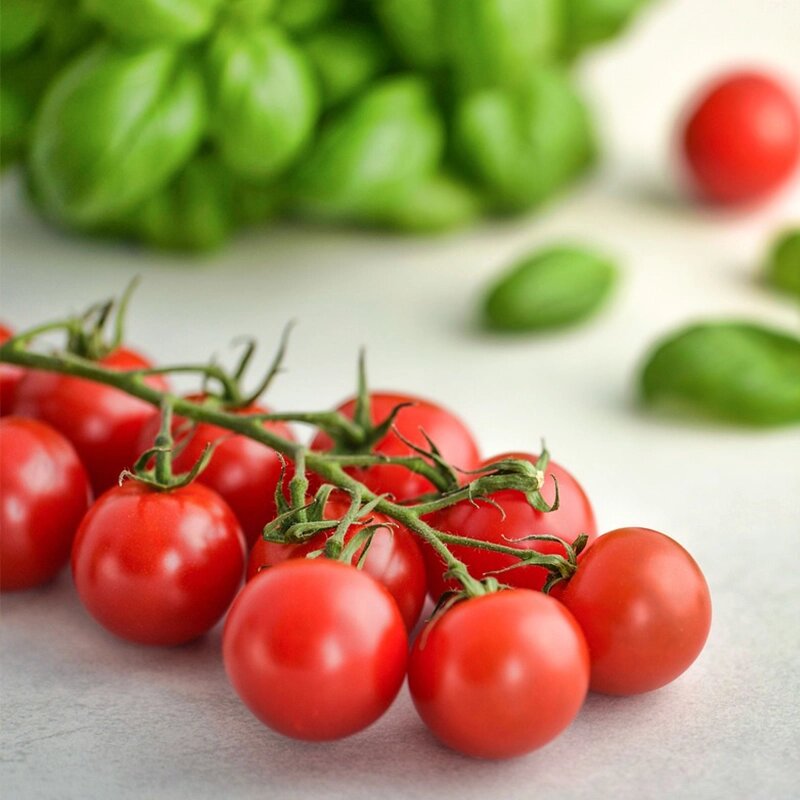
Basil contains biotin which can reduce inflammation like tempeh.


%20(1).jpg)


.jpg)


.jpg)

%20(1).jpg)