FRIENDS & FAMILY | 20% OFF SELECTED PRODUCTS + FREE POUCH $75+ SHOP NOW

Skin cleansing

Face wash vs cleanser: understanding the differences

Reading time : 8 min

woman cleaning her face with a cotton

You cleanse your face every day, but are you actually using the right product? Face wash and cleanser are terms most people use interchangeably, yet they describe different formats within the broader cleansing family, each with its own role, texture, and benefit for the skin. 
 

A good cleanser does far more than remove surface dirt: it purifies, hydrates, and soothes the skin while preserving its natural balance, whether it rinses off or not. Getting this choice right is one of the simplest ways to meaningfully improve your skin's health. Selecting the appropriate format for your skin type and lifestyle can lead to healthier skin and a more effective cleansing process. Knowing when and how to use each can make a significant difference in achieving your desired complexion.


Key takeaways from this guide

  • Face washes and cleansers serve different but complementary purposes in a skincare routine.
  • Choosing products based on your skin type leads to better results.
  • Consider double cleansing for thorough makeup and impurity removal.
  • Gentle cleansers can improve skin health without irritation.
  • Frequency and balance are key to an effective cleansing routine.


What is a face wash?


A face wash is a specific format of facial cleanser, typically water-based and foaming, designed to remove dirt, oil, and impurities that accumulate throughout the day. Face washes provide a targeted cleanse, making them particularly effective for individuals with oily or acne-prone skin, as they help control excess sebum (the skin's natural oil) production. Unlike no-rinse cleansing formats, face washes are always rinsed off with water, which contributes to their refreshing, purifying feel.
 

Face washes often contain a variety of ingredients tailored to cleanse and care for specific skin types. Common ingredients include salicylic acid, which helps exfoliate and unclog pores, making it ideal for acne-prone skin. Glycolic acid promotes gentle exfoliation and improves skin texture. Many face washes also include natural extracts like tea tree oil or aloe vera, known for their soothing and antibacterial properties, and hydrating agents like glycerin to prevent the skin from drying out.
 

What is a face cleanser?


A face cleanser is a broader category that encompasses all facial cleansing formats, from micellar water and cleansing oil to foaming gel and cleansing milk. A cleanser removes impurities that build up throughout the day, including sebum, pollution, and makeup, while purifying, hydrating, and soothing the skin. 


Many cleansers are formulated to be gentle enough for all skin types, including sensitive and reactive skin. They help maintain the skin's natural pH, the measure of acidity that keeps the skin barrier healthy and functioning, preventing irritation and dryness. Cleansers also prepare the skin for subsequent products like moisturizers and serums. For more information, read our guide to facial cleansers.  
 

There are several types of cleansers, each catering to different skin types and concerns. Some require rinsing, while others do not. Micellar waters are formulated as no-rinse products, making them an especially gentle and convenient option for daily use. 

  • Cream cleansers: best for dry or sensitive skin as they provide hydration
  • Gel cleansers: lightweight formula, with options ranging from oil-control formulas for oily skin to gentle, soap-free formulas designed for sensitive skin
  • Foam cleansers: offer a thorough cleanse, with gentle, soap-free formulas also suited to sensitive skin
  • Micellar waters: no-rinse option that gently removes dirt and makeup, with a hydrating effect shown to last more than four hours after use.¹
     

Differences between face wash and cleanser


Face washes are typically water-based and foaming, providing a thorough cleanse with a refreshing rinse-off feel. Face washes span a range of formulations: some are designed to manage oily skin, while gentle, soap-free versions are also well suited to sensitive skin.
 

Cleansers span a wider range of textures, from lightweight micellar waters to rich creams and oils, and are often designed to leave skin feeling comfortable and balanced. 
 

 When choosing between the two, your skin type and daily needs are the most important guides.
 

The impact on the skin barrier, the outermost layer of the skin that protects against irritants and moisture loss, is a key factor distinguishing these products. Face washes, especially heavily foaming formulas, can sometimes strip the skin of essential oils, potentially increasing transepidermal water loss (TEWL), the amount of moisture that evaporates through the skin. In a clinical study of women with sensitive skin conditions including atopic dermatitis, eczema, acne, and rosacea, a well-formulated gentle foaming cleanser resulted in facial irritation in only 5% of users by week 3, with statistically significant improvements across all skin condition categories.2 This demonstrates that a thoughtfully formulated foaming cleanser can be both effective and well tolerated.
 

How to choose between a face wash and a cleanser


A face wash is the better pick when your main concern is managing excess oil or breakouts. Formulas with salicylic acid penetrate pores to remove oil and impurities, helping reduce acne breakouts by exfoliating the skin and unclogging pores. It also works well as a morning step, removing overnight oil buildup and leaving skin refreshed before the day ahead. Always opt for non-comedogenic products, meaning they are formulated not to clog pores, which is particularly important for breakout-prone skin.
 

A cleanser is the better pick when your priority is gentleness, hydration, or thorough makeup and sunscreen removal. If you wear makeup or sunscreen daily, an oil-based cleanser dissolves these products effectively as the first step of a double cleansing routine. If your skin is dry or sensitive, cream-based cleansers, micellar waters, and gentle soap-free foaming gels all help maintain the skin's moisture balance without stripping the skin barrier. For a quick, no-rinse option, micellar water is especially convenient for removing dirt and light makeup. Look for formulations containing glycerin or hyaluronic acid, a molecule that attracts and retains moisture in the skin, and avoid alcohol or fragrances, which can further irritate and dry out the skin. Always patch-test new products to ensure they do not trigger adverse reactions.
 

Can face wash and cleanser be used together?


The double cleansing method uses two complementary cleansing formats in sequence for a thorough, skin-respecting cleanse. This method is particularly beneficial for removing makeup, sunscreen, or have oily skin. The first step uses an oil-based cleanser to dissolve makeup, sunscreen, and excess sebum, substances that water-based products alone may not fully remove. The second step uses a water-based cleanser to remove any remaining impurities and refresh the skin. Our guide to double cleansing covers everything you need to know about mastering this technique.
 

A face wash is best used in the morning to remove overnight oil buildup, preparing your skin for the day ahead. In the evening, a gentler cleansing format is ideal, especially if you are following the double cleansing method, as it effectively removes makeup and pollutants accumulated throughout the day without over-stripping the skin. 
 

How often should you cleanse?


It is best to cleanse twice a day, morning and evening, and after intense physical activity. Evening cleansing is particularly important as it removes sebum, sweat, dead skin cells, pollution, and traces of makeup accumulated throughout the day. A consistent daily cleansing and moisturizing routine has been shown to increase microbiome diversity, the range of beneficial bacteria on the skin's surface, and skin hydration, with benefits observed in conditions including psoriasis, eczema, and acne.3


After cleansing, it’s beneficial to follow up with a moisturizer. Research also shows that over 80% of participants following a twice-daily mild cleanser and moisturizer routine agreed that the regimen led to a decrease in dryness and itching, with significantly greater improvements in skin condition compared to those who cleansed without moisturizing.4 To learn more about the ideal cleansing routine, read more in our guide to how to wash your face.  
 

When it comes to cleansing, consistency and balance is essential. In a global survey of 10,100 adults across 23 countries, 64% reported changing their facial cleansing routine during the COVID-19 pandemic, with 25% cleansing more frequently. Tellingly, 20% noticed a change in their facial skin health over the same period, with 15% reporting that their skin had worsened — a clear signal that disrupting your cleansing routine, particularly by doing too much, can have real consequences for skin health.5 Pay attention to how your skin responds after cleansing. If it feels tight, dry, or irritated, it may be a sign to switch to a gentler format or reduce frequency.
 

Bioderma products to support your cleansing routine


Whatever your skin type or preferred cleansing format, the right product makes the routine easier to stick to.
 

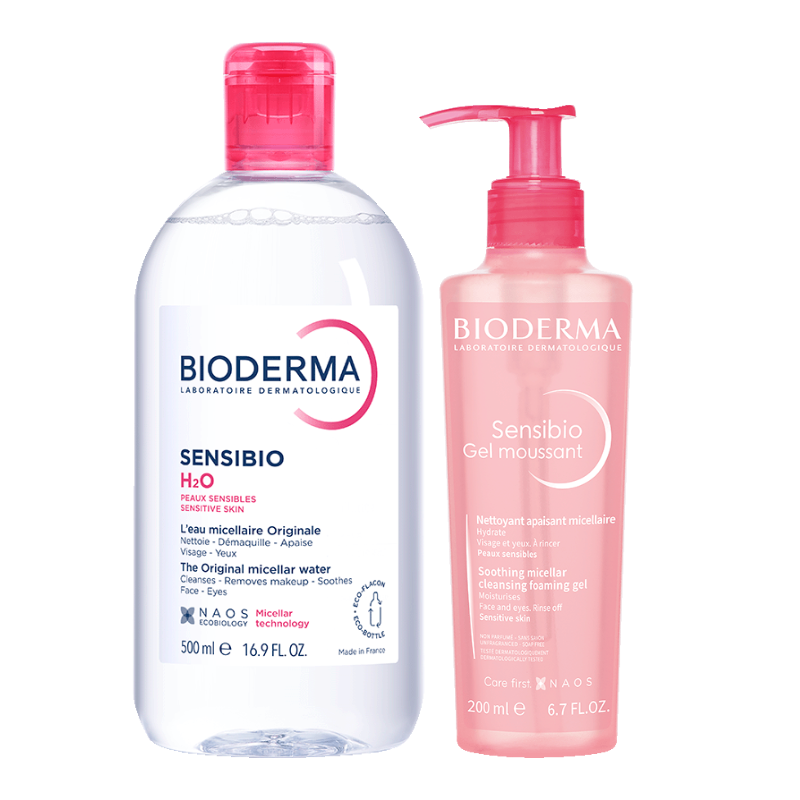
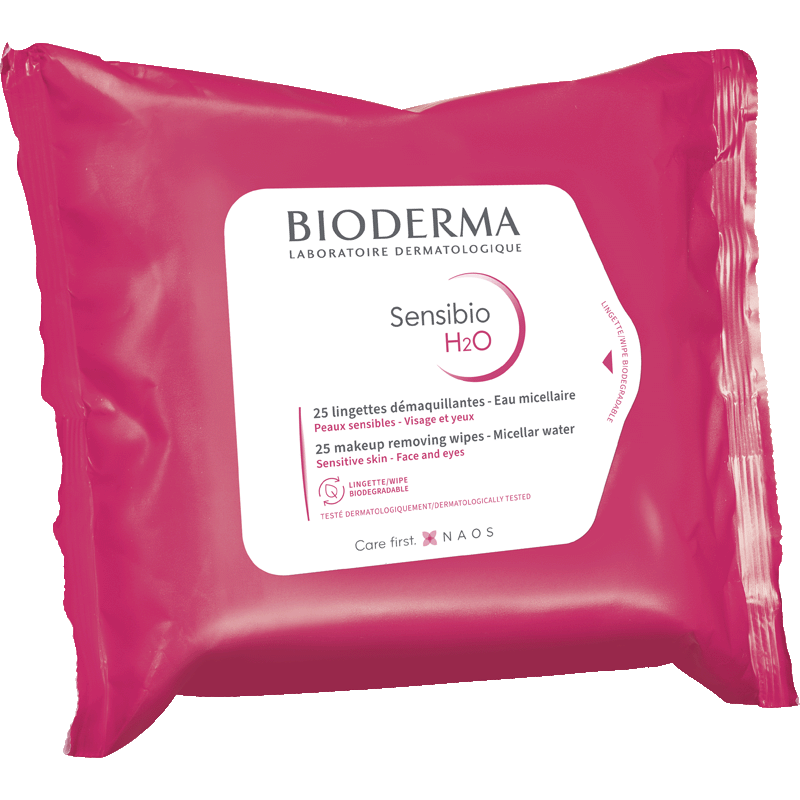
Sensibio H2O Micellar Water is a no-rinse, gentle option ideal for sensitive or reactive skin, removing dirt and makeup without rubbing or irritation.
 

For those with sensitive skin who prefer a foaming texture, Sensibio Foaming Gel cleanses thoroughly while still respecting the skin's natural barrier.
 

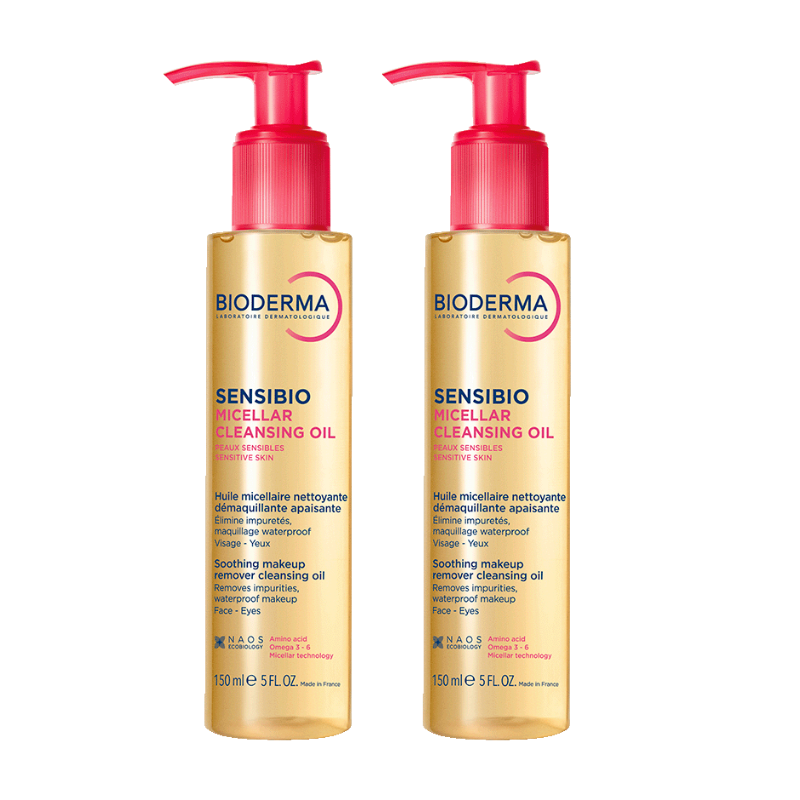
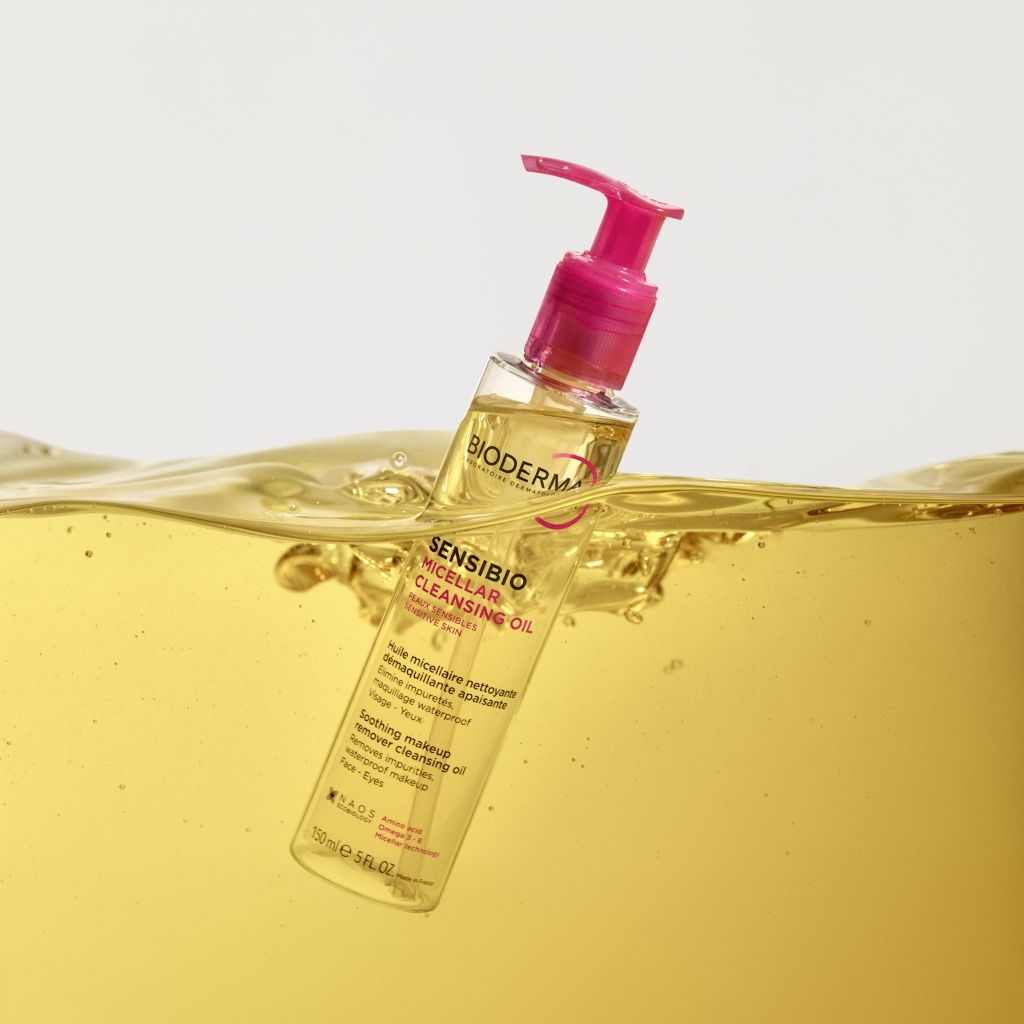
If you have sensitive skin and wear makeup or sunscreen daily, Sensibio Micellar Cleansing Oil makes an effective first step in a double cleansing routine, dissolving stubborn or waterproof products before a water-based cleanser finishes the job.
 

Together, these formats cover the full range of cleansing needs discussed in this guide, from daily gentle cleansing to thorough makeup removal.


Frequently asked questions


Yes. A no-rinse micellar water can be sufficient for daily cleansing, especially when wearing light or no makeup.
 

A face wash is a foaming, rinse-off format designed to remove oil and impurities. Cleanser is a broader term covering all cleansing formats including micellar water, cleansing oil, foaming gel, and cleansing milk, each suited to different skin types and needs.
 

A gel-based or foaming cleanser is generally well suited to oily skin. Look for non-comedogenic formulas to avoid clogging pores.
 

It is best to cleanse twice a day, morning and evening, and after intense physical activity. Evening cleansing is especially important to remove the day's buildup of sebum, sweat, pollution, and makeup.
 

Scientific references


1 - Sensitive skin compatibility of micellar water 
(Journal Of The American Academy Of Dermatology – Kimberly Day et al., 2017) 
https://www.jaad.org/article/S0190-9622(17)31391-9/abstract


2 - Hydrophobically modified polymers can minimize skin irritation potential caused by surfactant-based cleansers 
(Journal Of Cosmetic Dermatology – Draelos Zoe D. et al., 2013) 
https://pmc.ncbi.nlm.nih.gov/articles/PMC4285286/


3 - Facial skincare routine adherence in the general population 
(Cureus – Cliatt Lauren et al., 2024) 
https://pmc.ncbi.nlm.nih.gov/articles/PMC11735236/


4 - A consistent skin care regimen leads to objective and subjective improvements in dry human skin: investigator-blinded randomized clinical trial 
(Journal Of Dermatology And Treatment – Kim Sooyoung et al., 2022) 
https://pmc.ncbi.nlm.nih.gov/articles/PMC7529700/ 


5 - Global survey shows strong impact of pandemic on skincare routines and skin health 
(Journal Of The American Academy Of Dermatology – Baalbaki Nathalie, 2022) 
https://pmc.ncbi.nlm.nih.gov/articles/PMC9465230/


Author

Content written by the BIODERMA USA editorial team and medically reviewed by Anaïs Caldirola, Medical lead at NAOS, ensuring accuracy and scientific reliability. Medical information is based on established dermatological and nutritional references