


%20(1).jpg)

Washing your face correctly helps remove dirt, excess oil, makeup, and other impurities while supporting a healthy skin barrier. Follow these simple steps to cleanse your skin effectively and adapt your routine to your skin's needs.
Skin cleansing
Reading time : 5 min
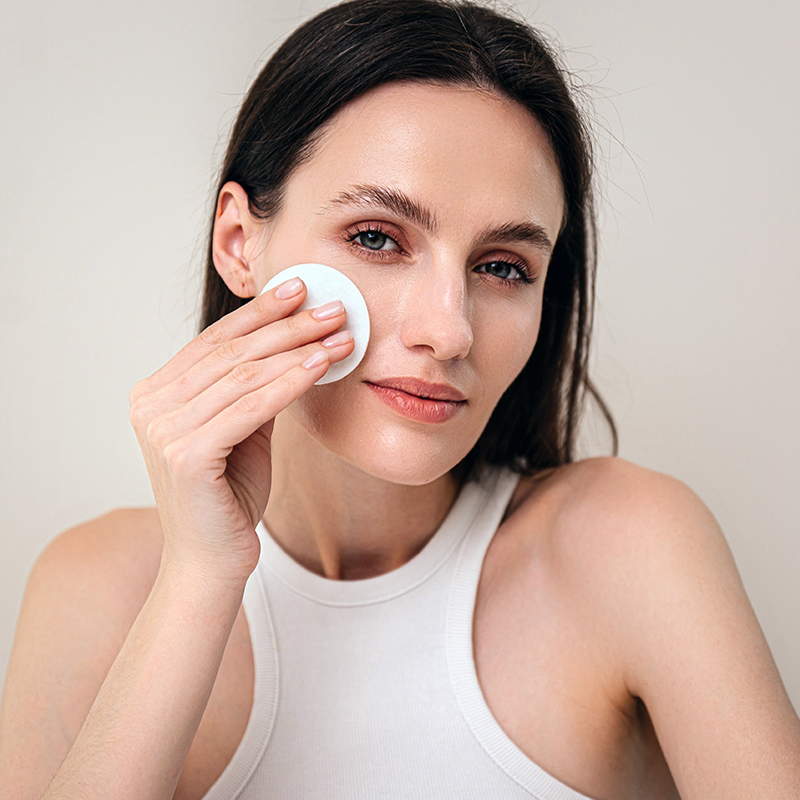
Washing your face correctly helps remove dirt, excess oil, makeup, and other impurities while supporting a healthy skin barrier. Follow these simple steps to cleanse your skin effectively and adapt your routine to your skin's needs.
Before touching your face, make sure your hands are clean.
This helps prevent bacteria, dirt, and other impurities from being transferred onto freshly cleansed skin.
A cleanser helps remove dirt, excess oil, makeup residue, sunscreen, and environmental pollutants that accumulate on the skin throughout the day.
There are different types of cleansers available, including:
Choose a cleanser that suits your skin type and daily needs.
If you wear makeup, especially long-wear or waterproof formulas, make sure to remove it thoroughly before or during cleansing.
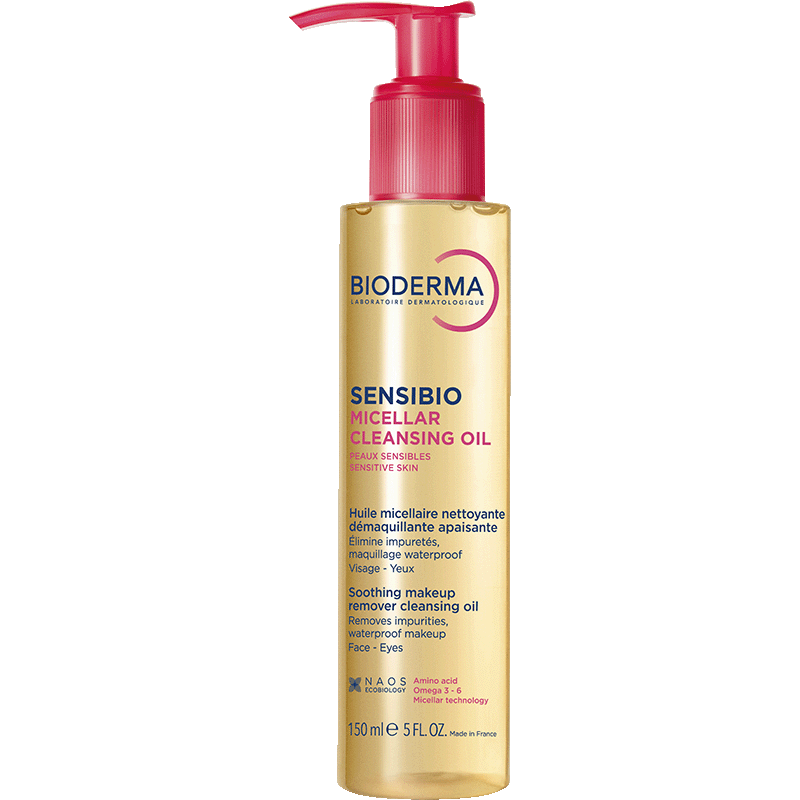
For heavy makeup or long-lasting sunscreen, double cleansing can be beneficial. This method involves using an oil-based cleanser or makeup remover first, followed by a water-based cleanser to remove any remaining impurities.
Spending about one minute cleansing allows enough time to effectively remove dirt, excess oil, makeup residue, and sunscreen while keeping the skin comfortable and balanced.
Use gentle circular motions with your fingertips and avoid scrubbing, which may irritate the skin. Do not forget often-overlooked areas such as the hairline, jawline, and neck.
Once you have finished cleansing, rinse thoroughly using lukewarm water.
Avoid water that is too hot, as it may contribute to dryness, discomfort, and irritation. Lukewarm water helps cleanse effectively while remaining gentle on the skin.
Use a clean, soft towel to dry your face.
Dirty towels can transfer bacteria and residue back onto the skin. Avoid rubbing your face aggressively, as friction may cause irritation. Instead, gently pat your skin dry.
Moisturizing helps lock hydration into the skin after cleansing.
All skin types, including oily skin, benefit from regular moisturization.
Apply your moisturizer shortly after cleansing while the skin is still slightly damp to help maintain hydration.
If you are cleansing your face in the morning, finish your routine with a broad-spectrum sunscreen.
Approximately 9,500 people are diagnosed with skin cancer every day in the United States, highlighting the importance of daily sun protection⁴.
Daily sun protection helps reduce the appearance of dark spots and hyperpigmentation while protecting the skin from UV exposure.
Exfoliation is not part of your daily cleansing routine, but it can help remove dead skin cells and improve skin texture when used appropriately.
Humans naturally shed around 500 million skin cells every day. Regular exfoliation can help remove the buildup of dead skin cells that accumulates on the skin's surface⁵.
Most people only need to exfoliate once a week. Over-exfoliation may lead to dryness, sensitivity, or irritation.

Different skin types may require slightly different cleansing approaches.
Acne is the most common skin condition in the United States, affecting up to 50 million Americans every year³.
Choose gentle cleansers and avoid harsh scrubs that may worsen irritation.
In a randomized clinical study, participants who washed their face twice daily showed improvements in certain non-inflammatory acne lesions and open comedones.²
Look for products specifically formulated for acne-prone skin and avoid picking or excessively touching blemishes, as this may increase irritation.
Use gentle cleansers designed to maintain hydration.
Avoid over-cleansing and apply moisturizer immediately after cleansing.
Keep your routine simple and avoid products that may cause irritation.
Use lukewarm water and gentle skincare products formulated for sensitive skin.
Choose a gentle cleansing routine that helps maintain the skin barrier while supporting an even-looking complexion.
Avoid aggressive exfoliation that may increase irritation.
Daily sunscreen use is particularly important.
Focus on gentle cleansing and hydration.
Avoid hot water, harsh cleansers, and excessive exfoliation.
Use products designed to support comfort and barrier recovery.
For most skin types, washing the face twice a day is appropriate. Dermatologists generally recommend cleansing in the morning, at night, and after heavy sweating¹.
The first eight steps of a cleansing routine can be performed daily, while exfoliation should generally be limited to once a week.
If you have dry or sensitive skin, cleansing once daily in the evening may be sufficient.
At a minimum, it is recommended to cleanse your face before going to bed to remove the buildup of dirt, oil, sunscreen, and other impurities accumulated throughout the day.
Pay attention to how your skin responds and adjust your routine accordingly.
Even with a consistent skincare routine, certain cleansing habits can irritate the skin, weaken its protective barrier, or contribute to breakouts.
Common face-washing mistakes include:
Adopting gentle cleansing habits can help keep your skin comfortable, balanced, and healthy-looking.
Yes. Washing your face in the morning helps remove oil, sweat, and residue that accumulate overnight.
Yes. Excessive cleansing may disrupt the skin barrier and contribute to irritation or dryness.
About 60 seconds is generally enough time to massage cleanser across the face and effectively remove impurities.
Lukewarm water is usually the best choice because it cleanses effectively without being overly harsh on the skin.
The ideal cleanser depends on your skin's needs. Oily skin may benefit from foaming formulas, while dry or sensitive skin often prefers gentler options.
Results vary based on skin type and skincare concerns. Many people notice improvements in skin comfort and hydration within a few weeks, while other concerns may take longer to improve with consistent us.
1 - Face washing 101 (American Academy of Dermatology Association) https://www.aad.org/public/everyday-care/skin-care-basics/care/face-washing-101
2 - A single-blinded, randomized, controlled clinical trial evaluating the effect of face washing on acne vulgaris (Journal of the American Academy of Dermatology, Draelos et al., 2005) https://www.jaad.org/article/S0190-9622(04)02833-6/fulltext
3 - Skin conditions by the numbers (American Academy of Dermatology Association) https://www.aad.org/media/stats-numbers
4 - Skin cancer statistics (American Academy of Dermatology Association) https://www.aad.org/media/stats/conditions/skin-cancer
5 - How often should you actually exfoliate your face?
(Healthline)
https://www.healthline.com/health/beauty-skin-care/how-often-should-you-exfoliate-your-face
Content written by the BIODERMA USA editorial team and medically reviewed by Anaïs Caldirola, Medical lead at NAOS, ensuring accuracy and scientific reliability. Medical information is based on established dermatological and scientific publications.
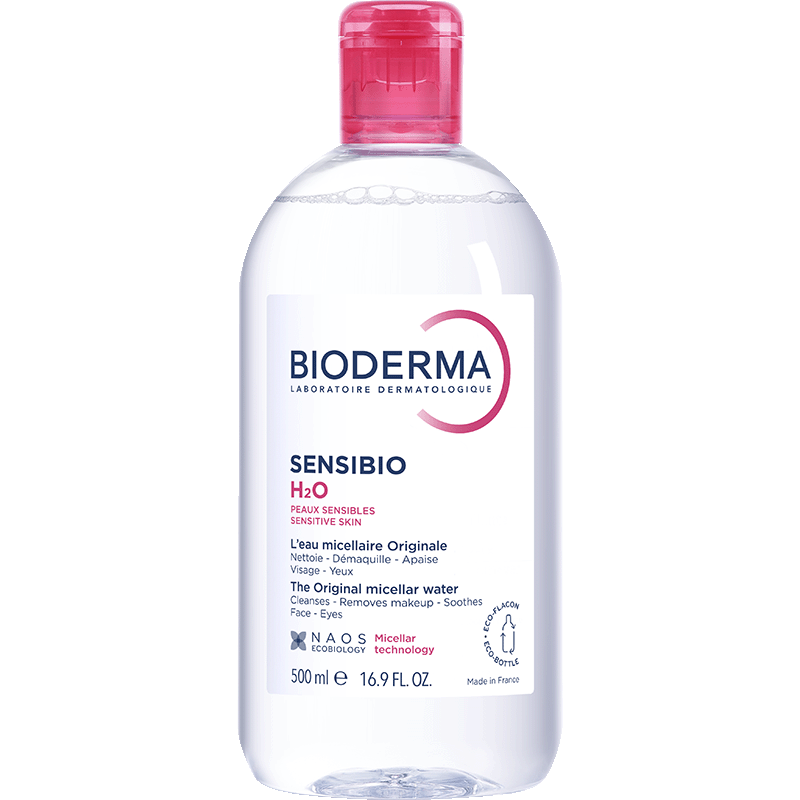
4 sizes | starting from
$6.99
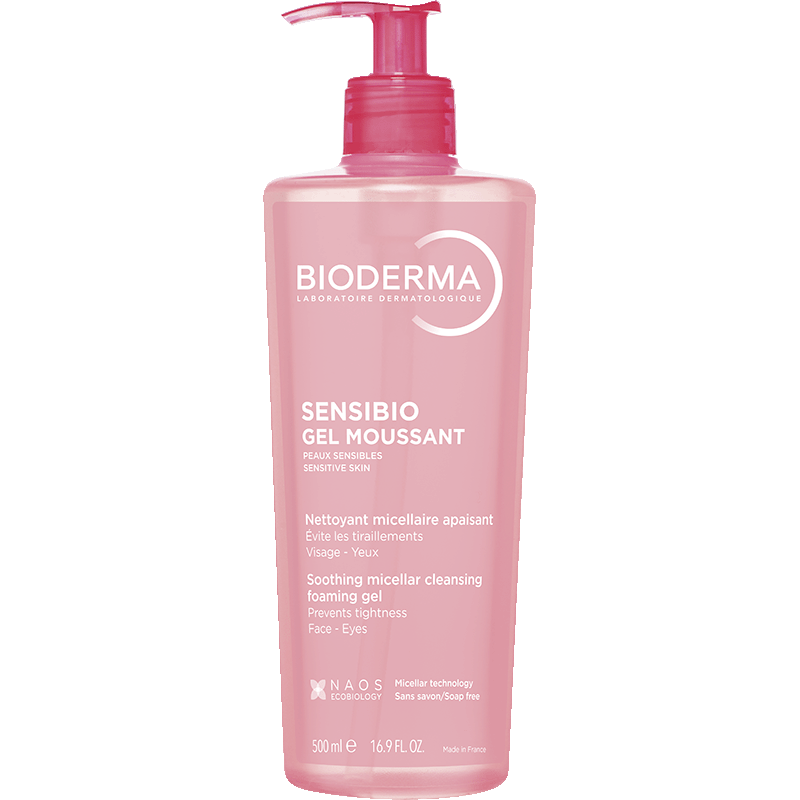
3 sizes | starting from
$10.99
3 sizes | starting from
$9.99