LABOR DAY: 10% OFF WITH 1 | 15% OFF WITH 2 | 20% OFF WITH 3+ SHOP NOW

How to exfoliate sensitive skin gently for everyday comfort

Reading time : 5 min

Exfoliation can feel like a delicate subject when skin reacts easily. Redness, stinging, or tightness may appear with products that seem harmless for others. This hesitation is understandable: scientific data show that around 60–70% of women and 50–60% of men report having sensitive skin¹.


Avoiding exfoliation entirely is common, yet sensitive skin still follows the same biological rhythm as all skin types: it naturally renews itself by shedding dead surface cells. When this process slows down, skin may feel rough, look dull, or react more strongly to daily care. The key is therefore not whether to exfoliate, but how to exfoliate sensitive skin while respecting its natural balance.
Key takeaways from this guide


  • Sensitive skin is extremely common and requires adapted exfoliation methods

  • Over‑exfoliation weakens the skin barrier and increases reactivity

  • Gentle exfoliation can support natural skin renewal without discomfort

  • Frequency and timing matter more than intensity

  • Listening to skin reactions helps prevent irritation cycles

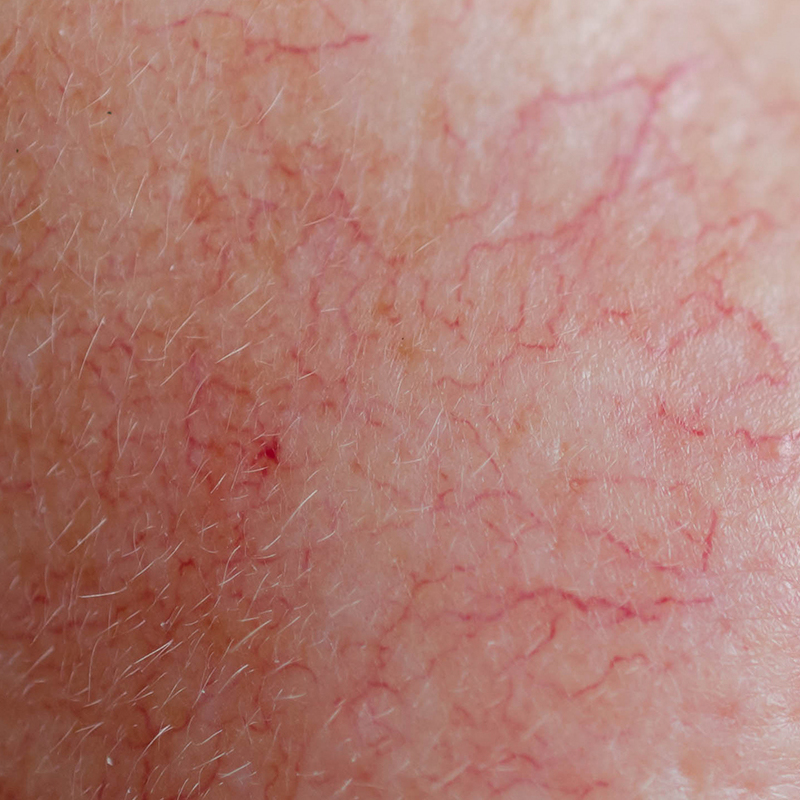
sensitive skin face

What to know about exfoliating sensitive skin

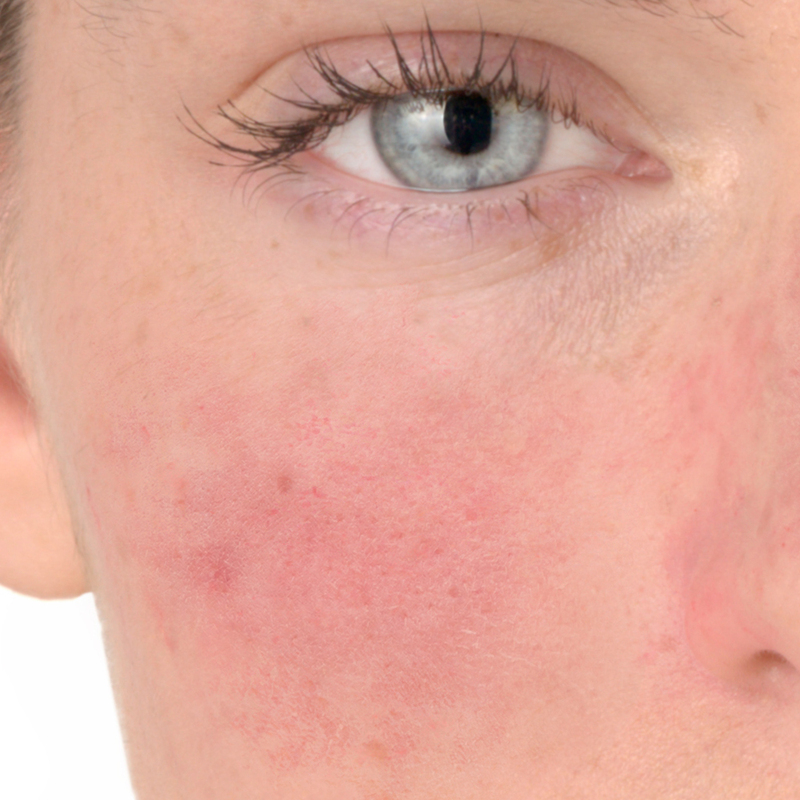
Sensitive skin is characterized by heightened sensory responses to external stimuli that normally should not cause discomfort¹. In clinical observations, 74% of people with sensitive skin show visible redness, highlighting how quickly reactive skin can respond to external stress⁴


The outermost layer of the skin plays a major protective role. When this barrier is disrupted, transepidermal water loss (TEWL) increases, and the skin may become more susceptible to external environmental stressors². Clinical dermatology literature describes how mechanical stress or repeated stripping of the stratum corneum leads to greater reactivity and discomfort².


This is why aggressive scrubs, frequent exfoliation, or strong resurfacing agents often trigger skin sensitivity to touch, especially when the protective barrier is already fragile.


Even sensitive skin naturally accumulates dead surface cells. When they build up, the skin surface can become uneven, and skincare products may spread or absorb less evenly.


A gentle approach to exfoliation can help support this natural renewal process, as long as it does not overstress the barrier. The goal is to assist skin renewal, not accelerate it.


Not all exfoliation methods affect sensitive skin in the same way. The key is to choose an approach that limits friction and overstimulation.


  • Mechanical exfoliation (scrubs, tools): removes cells through friction. For sensitive skin, repeated or vigorous friction may increase the likelihood of discomfort².

  • Enzymatic exfoliation: breaks down surface buildup without friction and may offer a gentler alternative in some cases.

  • Chemical exfoliation (acids): works without rubbing by loosening the bonds between surface cells. When used in small amounts and spaced out, this approach can be better controlled.


However, even chemical exfoliation requires caution. The U.S. Food and Drug Administration confirms that products containing alpha‑hydroxy acids can increase skin sensitivity to sunlight. Between 1992 and 2004, 114 dermatologic adverse event reports linked to AHA‑containing products were recorded, including burning, irritation, and increased sunburn³.


This illustrates an important point: reactivity is not only about the method, but about intensity and frequency. Even well‑tolerated exfoliants can become irritating when used too often or combined with other active ingredients.


In practice, low‑friction methods are often better tolerated, especially when used occasionally and adjusted based on how your skin responds.


Sensitive skin image

Before exfoliation : preparing sensitive skin

Sensitive skin reactions may be delayed. Testing a product on a small area before facial use helps reduce unexpected irritation.


Skin that feels dry or uncomfortable may be less tolerant of exfoliation². 


During periods of illness, fatigue or stress, skin may be less comfortable with exfoliation during periods of increased sensitivity, even to care that is normally well tolerated.


Clinical dermatology literature shows that individuals with sensitive skin frequently experience stinging or burning sensations in response to stimuli that normally should not provoke such reactions, particularly when the skin barrier is stressed⁴.


Because of this heightened reactivity, exfoliating once a week or less is usually sufficient. Increasing frequency does not improve results and often increases discomfort. Allows more time between applications and may support greater comfort.

Sensitive skin image

During exfoliation: a step-by-step guide for sensitive skin 


When skin reacts easily, exfoliation should remain gentle, controlled, and brief. The goal is to support renewal without creating additional stress.

Exfoliate only on freshly cleansed skin that feels comfortable. If the skin is already irritated, tight, or warm, it’s better to wait.


A thin, even layer is enough. Applying more product does not improve results and may increase the risk of irritation.


Avoid rubbing or scrubbing :

  • With chemical or enzymatic exfoliants, let the formula act without friction

  • With physical exfoliants, keep pressure minimal and contact brief

Sensitive skin benefits from shorter contact. Follow instructions carefully and, when unsure, start with less time rather than more. 


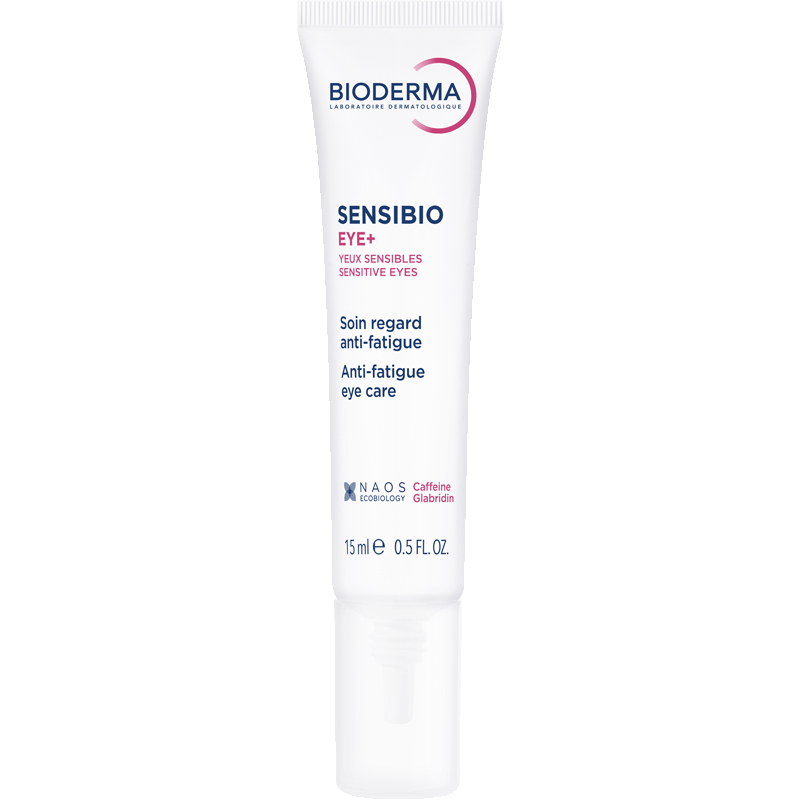
Skip areas that are naturally more reactive, such as around the eyes, the sides of the nose, or visible zones of redness.


Rinse‑off exfoliants (scrubs, enzyme masks, some peels): remove with lukewarm water, avoiding friction :


  • Leave‑on exfoliants (most chemical formulas): do not rinse—follow with soothing skincare

  • Pat the skin dry gently and avoid rubbing

Mild warmth or slight redness can occur but should fade quickly.


If stinging, burning, or prolonged redness appears, increase the time between exfoliation sessions.


Sensitive skin image

After exfoliation: expert tips for sensitive skin care

Post‑exfoliation care plays a crucial role in maintaining balance.


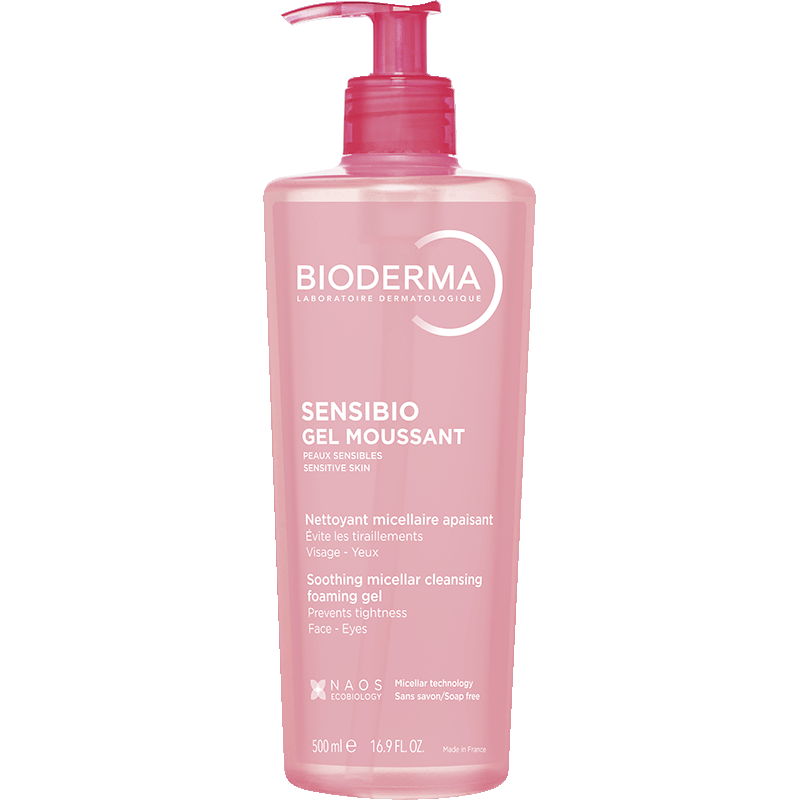
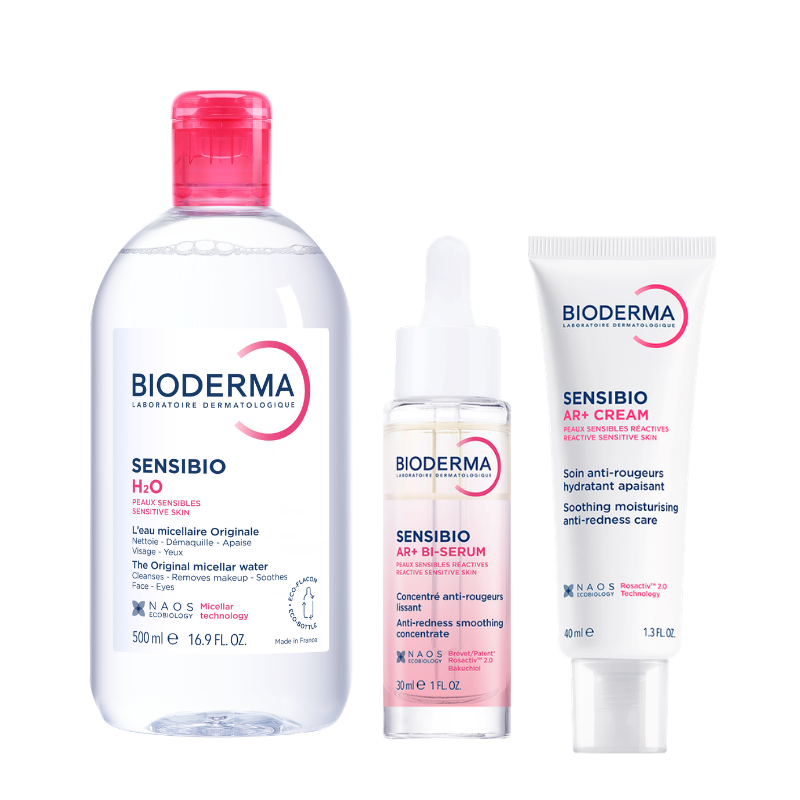
Gentle, low‑friction cleansing solutions such as Sensibio H2O Micellar Water provides gentle cleansing without the need for rinsing. When redness or warmth appears, barrier‑supportive care like Sensibio AR+ Cream can help maintain comfort while respecting sensitive skin physiology.


Daily sun protection is essential, particularly after exfoliation, as freshly exfoliated skin shows heightened photosensitivity³.


Clinical dermatology literature highlights several common triggers of irritation in sensitive skin. Notably, 78% of people who consider their skin sensitive report avoiding certain products after unpleasant past experiences¹.


Some of the most common mistakes include :


  • Exfoliating too often

  • Applying too much pressure

  • Using multiple exfoliating products at the same time

  • Exfoliating skin that is already irritated or weakened


These habits can put repeated stress on the skin barrier and make the skin more reactive over time.


In many cases, what is described as “sensitive skin” may reflect a stronger reaction to external triggers rather than a specific underlying condition¹.


Keeping exfoliation gentle and well spaced helps support a more comfortable and balanced skin response.


Scientific references


  1. The Prevalence of Sensitive Skin  (Frontiers in Medicine – Farage, 2019) https://pmc.ncbi.nlm.nih.gov/articles/PMC6533878/ 
  2. Skin 101: Understanding the Fundamentals of Skin Barrier Physiology—Why is This Important for Clinicians? (Journal of Clinical and Aesthetic Dermatology – Del Rosso et al., 2025) https://pmc.ncbi.nlm.nih.gov/articles/PMC11896616/
  3. Alpha Hydroxy Acids  (U.S. Food & Drug Administration, 2022) https://www.fda.gov/cosmetics/cosmetic-ingredients/alpha-hydroxy-acids
  4. Definition of Sensitive Skin: An Expert Position Paper from the Special Interest Group on Sensitive Skin of the International Forum for the Study of Itch (Acta Dermato‑Venereologica – Misery et al., 2017)  https://www.medicaljournals.se/acta/content/html/10.2340/00015555-2397
  5. Sensitive skin in the American population: prevalence and clinical data  
    (International Journal of Dermatology – Misery et al., 2011) https://europepmc.org/article/MED/21781068


Author


Content written by the BIODERMA USA editorial team and medically reviewed by Anaïs Caldirola, Medical lead at NAOS, ensuring accuracy and scientific reliability. Medical information is based on established dermatological and nutritional references.