2 FREE SAMPLES WITH EVERY ORDER + FREE SHIPPING ON $50+ ORDERS SHOP NOW

How to recognise rosacea?

Reading time : 5 min

Rosacea is a chronic multifactorial hereditary disease. For a long time taboo, this condition is still little-known and its diagnosis can sometimes be complicated. Here are a few tips to help you identify its main characteristics and differentiate it from other diseases.

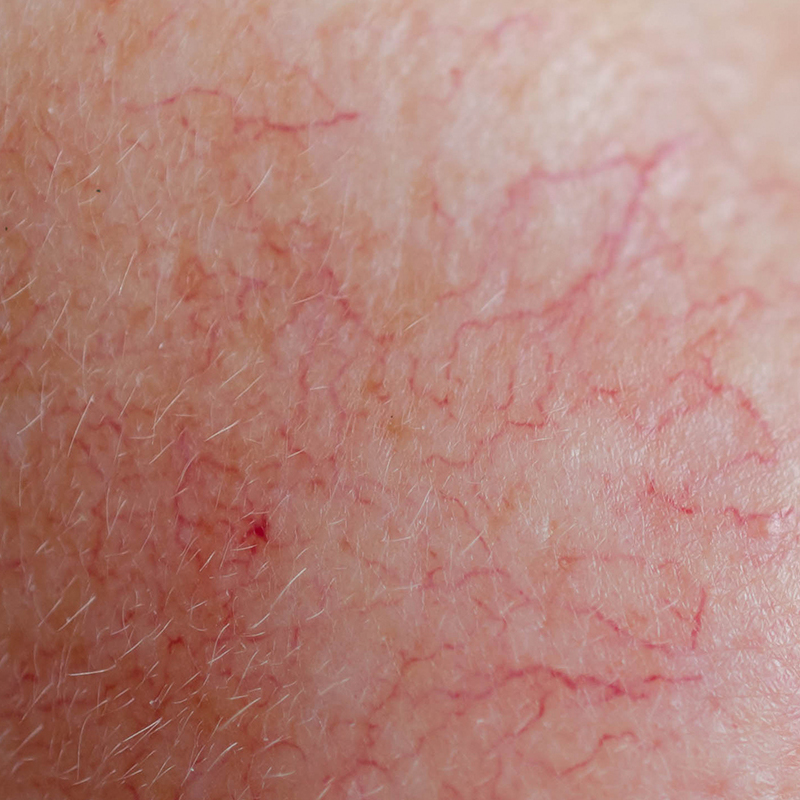
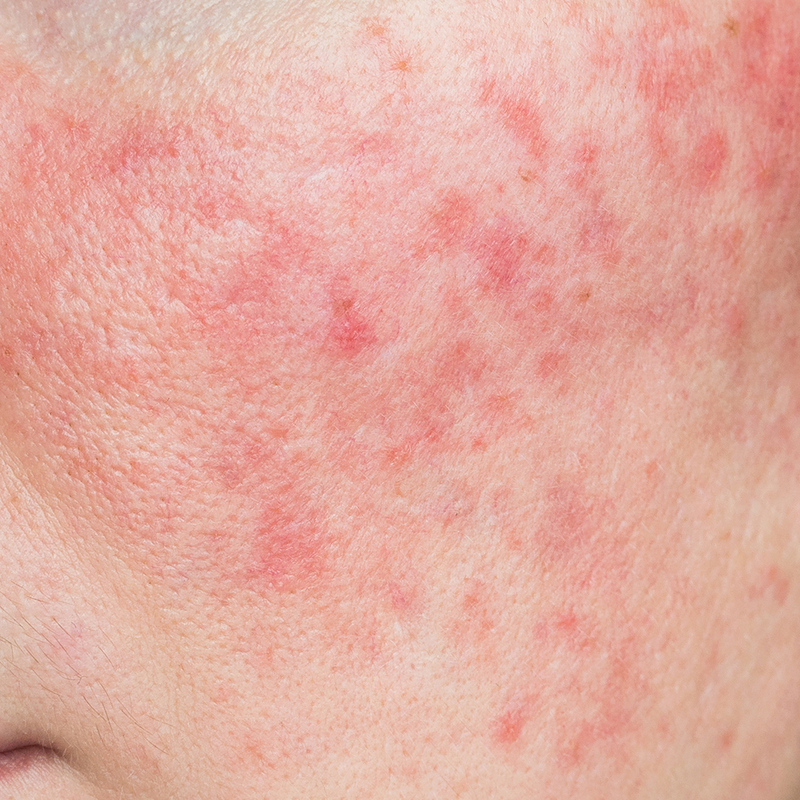
Close-up of facial skin showing persistent redness

What are the symptoms of rosacea?


Rosacea mainly affects the central area of the face (cheeks, forehead, chin and nose). It is characterised by the onset of various symptoms that may occur alone or in combination, depending on the patient and the course of the disease:

  • transient (flushing) or persistent (erythema) redness,
  • visible small blood vessels (telangiectasias),
  • sensations of discomfort, burning, tingling, and even pain.


And in the most severe cases:

  • ocular symptoms (dryness, inflammation, visible small blood vessels),
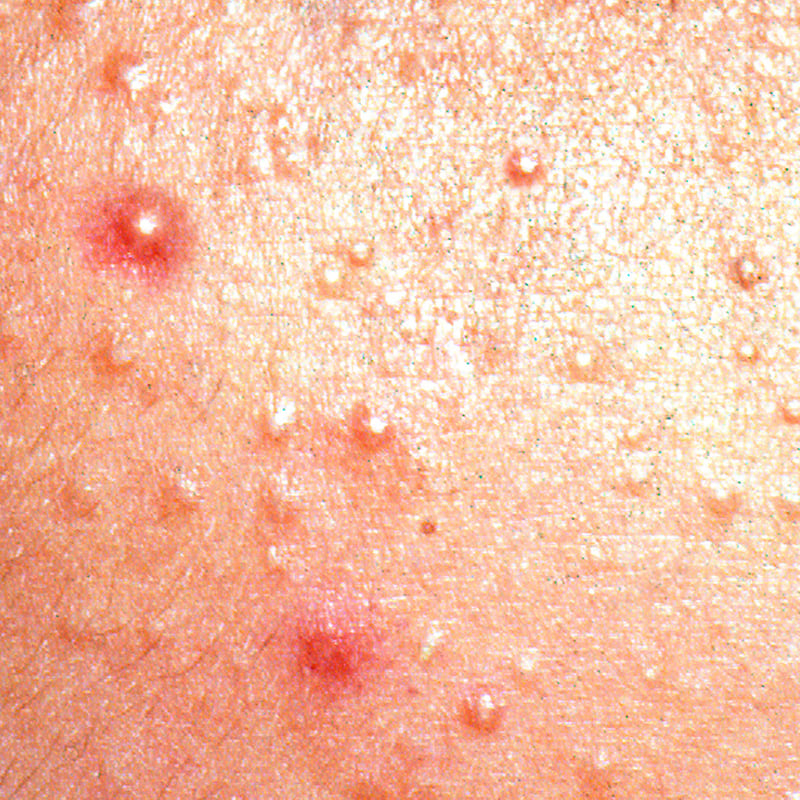
  • spots (the same as in acne),
  • thickening of the skin on the nose, which becomes red and bulbous (rhinophyma),.


In addition, it can have significant psychological consequences because it affects the face, making it particularly conspicuous.

What causes rosacea?


Although rosacea has a variety of causes, there are some triggers that are important to be aware of in order to avoid " flare-ups " as much as possible. The triggers are generally environmental factors, which can vary from person to person. The most common are exposure to the sun, emotional stress, changes in temperature, drinking alcohol or hot drinks, certain spicy foods, intensive sports activities, and irritating cosmetic products. These various aggressive factors put the skin on alert and it reacts with inflammation and excessive dilation of the blood vessels, leading to the appearance of symptoms on the face.

How to treat rosacea?


There is currently no cure for rosacea. Its management therefore depends on its clinical manifestations and their severity.

The first step is to try to identify your triggers and avoid them. Then, depending on the diagnosis, specialists generally suggest a combination of oral and topical (applied to the skin) medical treatments, technical procedures (laser, electrocoagulation) and even surgery to treat the thickening of the skin on the nose that forms unsightly bumps.

In addition to medical treatments and associated techniques, dermocosmetic care products have proven their efficacy in reducing the appearance of redness and relieving dryness, tightness, tingling, discomfort and pain. Skin made reactive by rosacea requires the use of gentle, skin-friendly products such as friction-free cleansers, skincare products with ultra-comfortable textures, and daily SPF50+ sun protection.


DISCOVER SENSIBIO AR+

How can you tell if it’s really rosacea?


As diagnosing rosacea is quite complicated, it is important to consult a dermatologist, who will make a diagnosis based on all the symptoms present on the patient’s face: persistent redness on the cheeks, nose, middle of the forehead and chin, thickening of the skin and pores on the nose, spots, presence of small visible blood vessels, or ocular signs (red eyes, conjunctivitis, inflammation of the eyelids). It is also possible to consult RosaQol, a specialised quality of life scale for rosacea patients. Following are a few guidelines to help you differentiate rosacea from other skin conditions.

Do you know your skin concern?

  • Analyze your skin

    Scan your skin and discover your personalized routine

    Try SkinObserver
Acne rosacea with visible bumps and redness on sen

Rosacea or acne?


While both are characterised by redness, red spots (papules) and white spots (pustules) on the face, acne is also characterised by the presence of blackheads (comedones) and can cause scarring and marks (post-inflammatory hyperpigmentation). The presence of small vessels is specific to rosacea. The age of the patient can also guide the diagnosis, as acne is very common in adolescents. Lastly, acne can affect other parts of the body (torso, back), whereas rosacea only affects the central part of the face.

Rosacea or eczema?


Eczema is manifested by the appearance of itchy, oozing and then crusty red patches all over the body, including the face. It most often appears in infants from the age of three months and improves over time in the vast majority of cases, although it can persist or even start in adolescence or adulthood. Its mechanisms are as complex as those of rosacea and combine immunological, genetic and environmental factors. But with atopic eczema, there is an allergic component, with the skin reacting to certain elements such as dust, mites or animal hair. Other symptoms such as asthma, rhinitis or allergic conjunctivitis are often present.


Rosacea or couperosis?


The term “couperosis” is used to describe one of the clinical signs of rosacea, i.e. the permanent dilation of small blood vessels. “Rosacea” is the general name of the disease.

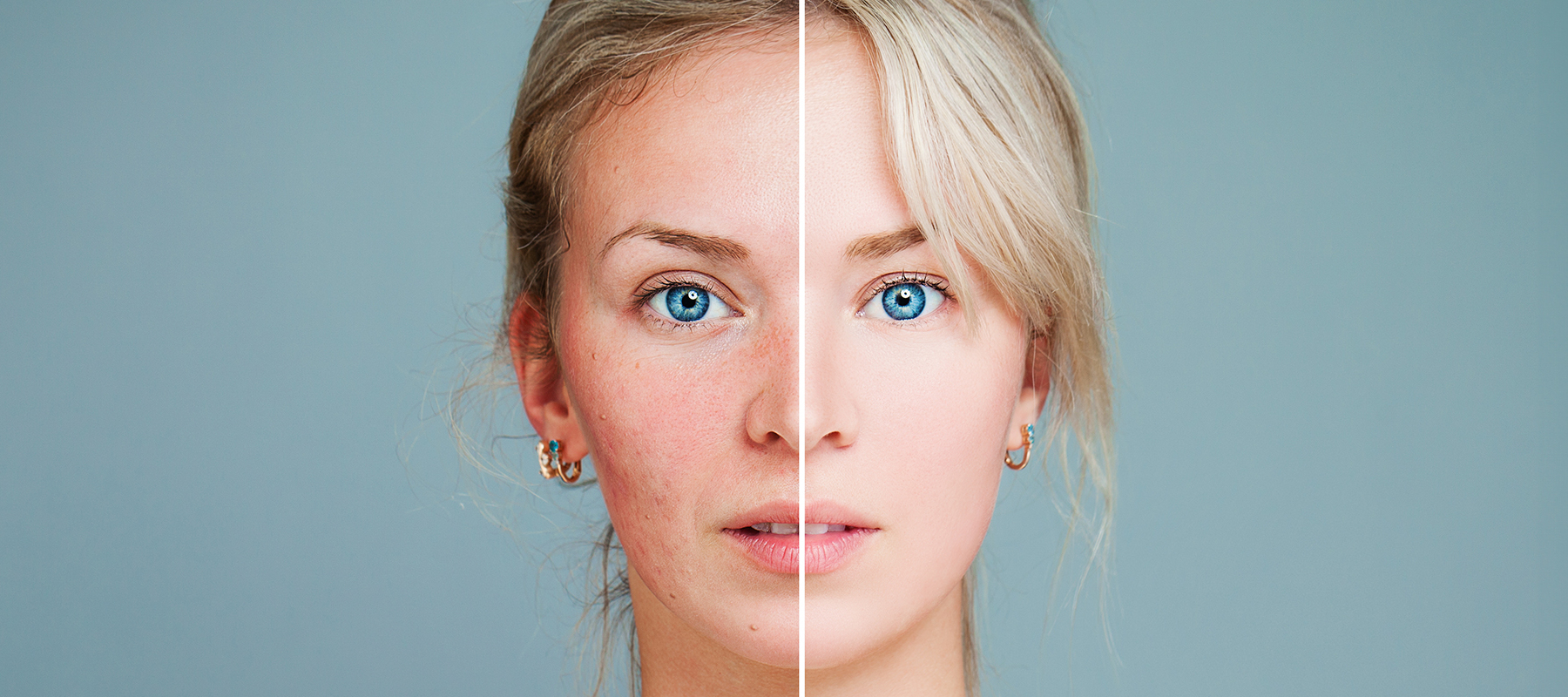
Facial redness and flushing, indicative of rosacea

Rosacea or lupus?


Lupus, or lupus erythematosus, is a chronic inflammatory disease in which the immune system attacks and destroys the body’s own cells. It can affect several organs, including the skin. On the skin, it is characterised by a rash in the shape of a wolf (from the Latin lupus) mask on the nose and cheeks. It can be confused with rosacea because it is likely to manifest itself as redness in the central area of the face. What’s more, like rosacea, it most often develops in women between puberty and menopause, but unlike rosacea, it also leads to ulceration of the mucous membranes (mainly on the palate, inside the cheeks, on the gums and in the nose) and can also affect other parts of the body (joints, kidneys, outer membrane of the heart, nervous system, lungs, blood, etc.). There are many similarities between the two diseases, so it is important to consult a dermatologist to make sure you get the right diagnosis.

Rosacea or pityriasis rosea?


The latter is an inflammatory disease caused by malfunctioning of the immune system, leading to the appearance of red spots or rough patches on the trunk, arms and legs. It develops within around four to 14 days, mainly in children and young adults, and is generally accompanied by itching. Pityriasis rosea sometimes affects the face and can be confused with rosacea.


Rosacea or allergy?


Rosacea is not an allergic reaction: it is linked to over-stimulation of the skin’s receptors due to environmental factors. A sun allergy on the face can be confused with rosacea because it also causes redness, but it is generally caused by an allergic reaction to food, medication, or an irritating product following exposure to the sun.