


BLACK FRIDAY IS ON! UP TO 25% OFF + FREE 7-PIECE GIFT WITH $75+

SHOP NOW

Subscribe to our newsletter

Get 10% off your first order, plus the latest updates and news!

Normal, dry to atopic skin

Eczema on eyelids explained: causes, symptoms, and solutions

Updated on Reading time : 9 min

zoom on the face of woman

Key takeaways from this guide


  • Eyelid eczema affects predominantly women, and the trigger is identified through product review and patch testing.
  • Several distinct triggers exist. Allergic contact dermatitis is the most common, followed by irritant dermatitis, with atopic eczema and occupational exposure also contributing.
  • Gentle daily care with suitable moisturizers prevents flare-ups, while steroid creams prescribed by a dermatologist handle more intense cases.
  • Occupational exposure to latex and chemicals affects healthcare and beauty professionals, where early identification matters.
  • Vision impact is rare but possible. Symptoms that intensify or persist beyond two weeks, or any change in eye comfort, warrant a consultation.


Eyelid eczema is one of the most persistent dermatological concerns. Because the skin around the eyes is the thinnest on the body, it reacts faster than the rest of the face to anything applied near it.
 

This guide addresses redness, itching and flaking around the eyelids. It explains how to identify the triggers, distinguish eyelid eczema from other eye conditions, and apply evidence-based care strategies for sensitive skin.

The information below is based on peer-reviewed dermatology and clinical experience with this specific area.


Introduction to eyelid eczema


Eyelid skin is the thinnest on the body, measuring around 0.5 mm at its thinnest, while the skin on the cheeks is two to three times thicker.


This area also has very few sebaceous glands and almost no subcutaneous fat, so water leaves the surface faster, active ingredients penetrate more deeply, and allergens trigger reactions sooner than on the rest of the face. This combination is why the eyelids are often the first zone to react when something goes wrong.
 

Several conditions can resemble eyelid eczema, and distinguishing them speeds up the right treatment.

  • Eyelid eczema: dry, itchy, flaky skin on the upper or lower lid; chronic scratching can thicken it.
  • Blepharitis: inflammation along the lash line, often linked to glands or bacteria.
  • Conjunctivitis: affects the eye itself with redness and discharge, not the surrounding skin.
  • Periorbital dermatitis: another form of facial dermatitis that overlaps with eyelid eczema.

A dermatologist confirms the diagnosis when there is doubt.
 

Common causes of eyelid eczema


Allergic contact dermatitis is the leading cause of eyelid eczema. In a retrospective study of 203 patients with eyelid dermatitis, relevant allergic contact dermatitis was found in 151 cases (74%)1. Cosmetics are by far the most common vehicle of exposure, including eye makeup, makeup removers, eye drops, and hair products that drip onto the face during application.
 

The most common allergens are well documented and include metals such as nickel and cobalt, preservatives, topical antibiotics, fragrances, and acrylates from artificial nails that transfer when patients touch their face2. Patch testing identifies the responsible allergen, and avoidance is the most effective long-term strategy.
 

Irritant dermatitis is not an allergy. It results from repeated exposure to substances that affect the skin barrier with each contact.
 

Common culprits include shampoo residue that runs into the eyes during showers, chlorinated water at swimming pools, facial cleansers with harsh surfactants, and frequent makeup removal with cleansing wipes. The effect accumulates over weeks rather than appearing after a single exposure.
 

People with atopic dermatitis often see flares on the eyelids, sometimes as the only affected zone. The skin reacts to internal triggers such as stress, hormonal changes and dry air. For broader context on the condition, see eczema.
 

Atopic eczema on the eyelids is chronic, alternating between quiet phases and flare phases. Most patients learn to recognize their personal pattern over time.
 

Occupational eczema affects workers regularly exposed to specific substances. Hairdressers contact dyes and chemicals throughout the day, healthcare workers face latex and disinfectants, and painters handle solvents. In large patch-test series, metals, preservatives and fragrances remain the most common allergens identified in eyelid contact dermatitis3.
 

Environmental factors also matter, including pollen during allergy season, dust mites in poorly ventilated rooms, chlorinated water at the pool, and cold dry air in winter. These triggers add up alongside the occupational exposures.
 

Recognizing symptoms of eyelid eczema


Eyelid eczema often starts subtly. The skin feels tight after washing, small dry patches appear on the upper lid or below the lashes, and the area reddens faster than usual after a new mascara is applied.
 

Acting early keeps the situation manageable. Removing the suspected trigger and switching to a fragrance-free emollient clears mild cases within a few weeks.
 

Symptoms come in waves. Itching arrives first, redness follows, and the eyelid becomes puffy and inflamed. Repeated scratching thickens the skin into what dermatologists call lichenification.
 

The area can also develop fine scaling after a flare clears, and small fissures sometimes appear at the corners of the eyes in chronic cases.
 

Eyelid eczema rarely resolves on its own. The skin barrier becomes less effective, and scratching opens small entry points that allow more irritants through.
 

Long-term inflammation can leave hyperpigmentation, more visibly on darker skin tones. Secondary bacterial infections occur in some cases, and antibiotic treatment is then added to the eczema care plan.
 

Effective treatment options for eyelid eczema


Treating eyelid eczema requires careful product selection, because the skin here reacts strongly to active ingredients. A dermatologist prescribes low-potency topical corticosteroids for short courses, which reduce inflammation quickly and calm the itching. Topical anti-inflammatory treatments, including corticosteroids and calcineurin inhibitors, remain the standard of care for eczema, with relative efficacy reviewed in a recent Cochrane network meta-analysis of 291 trials and 45,846 participants4.
 

For chronic or recurring cases, calcineurin inhibitors such as tacrolimus or pimecrolimus are alternatives. They are non-steroidal options for longer-term care on a sensitive area where steroid thinning is a genuine concern.


Between flares, daily moisturizing matters. The skin barrier acts like a wall, and when it becomes less effective, irritants pass through more easily. A moisturizer for sensitive eyelid skin rebuilds that barrier and reduces the next flare.
 

Useful ingredients include ceramides, glycerin and thermal spring water, which support hydration without irritating thin skin. Fragrance-free formulas built for the eye area work best, and ophthalmologist-tested labels limit the chance of stinging if the product migrates into the eye.
 

Over-the-counter moisturizers cover mild dryness and daily prevention, and they keep the area calm between flares.
 

Active flares with visible redness, puffiness or weeping skin need medical advice. The dermatologist matches the treatment to the intensity and to the specific trigger. Self-treating more intense eyelid eczema with strong creams can lead to complications on this sensitive area.
 

Home remedies and natural treatments


Rinsing the eyelids with lukewarm water once or twice a day clears off pollen, dust and product residues without stripping the skin.
 

A fragrance-free, soap-free cleanser can be used when needed. The area is best patted dry rather than rubbed, and moisturizer applied within two minutes of rinsing locks in hydration before the barrier dries out. The application technique matters as much as the product itself.
 

Some people try cold compresses or aloe vera gel. Cold compresses calm itching briefly and reduce swelling, while aloe vera offers temporary hydration on irritated skin.
 

Natural treatments still come with limits. Essential oils such as tea tree or lavender may trigger contact dermatitis themselves, and coconut oil and herbal extracts can also cause allergic reactions. It is advisable to check with a dermatologist before applying alternative remedies to the eye area.
 

The diet-eczema link is still under research. Some studies suggest that omega-3 fatty acids in oily fish help reduce skin inflammation. The most common allergens causing eyelid dermatitis include metals, preservatives, topical antibiotics, fragrances and acrylates, with cosmetics and ophthalmic products being the main vehicles of exposure5. Keeping a food diary can help identify possible dietary triggers in atopic patients.
 

Hydration matters too. Drinking enough water supports the skin's natural moisture balance. A balanced anti-inflammatory diet complements medical treatment but does not replace it.
 

Preventive measures and long-term management


A symptom diary links flare-ups to specific exposures by recording every product used, every food eaten and every environment visited.
 

Patterns usually emerge within two to three weeks. A dermatologist's patch test confirms which allergens trigger reactions, and knowing exactly what to avoid is more effective than trial-and-error elimination over months.
 

Reading labels on eye makeup, cleansers and cosmetics is the most direct way to limit flare frequency. Fragrances are best avoided, harsh preservatives such as methylisothiazolinone are worth watching for, and products with short ingredient lists are preferable.
 

Ophthalmologist-tested formulas limit the chance of stinging when the product migrates near the eye. Replacing eye makeup every three to six months limits bacterial buildup, and emollients used regularly maintain the barrier function between flares.
 

Hairdressers, healthcare workers and metalworkers contact known sensitizers throughout the working day. The same patterns affecting these workers also drive higher rates of eczema on hands, which often coexists with eyelid involvement through transfer during the day.
 

Protective equipment helps when feasible, and changing out of contaminated work clothes promptly also matters. Hand hygiene before touching the face limits the transfer of occupational allergens to the eyelid area.
 

Stress is a recognized eczema trigger, and the cortisol released under chronic stress affects skin barrier function.
 

Regular moderate exercise and consistent sleep schedules both help. Breathing techniques can bring stress hormones down and interrupt the itch-scratch cycle. These approaches complement dermatological care rather than replacing it.
 

When to see a doctor


Symptoms persisting beyond two weeks without improvement warrant medical advice, particularly if redness extends beyond the eyelid. Other warning signs include bleeding, yellow crusts or intense pain, which can signal a secondary bacterial infection that needs prompt treatment.

Any change in vision is a reason to consult immediately. Vision impact from eyelid eczema is rare but possible.
 

Chronic eyelid eczema can affect daily comfort. Intense puffiness temporarily blurs vision, and persistent rubbing can lead to lash loss or alter the shape of the lid margin over time.
 

Treating the visible symptoms and the underlying cause together gives the best long-term results.
 

Several tools help reach a precise diagnosis. Patch testing identifies the contact allergens behind reactions on the eyelids, skin prick tests check for environmental or food sensitivities, and blood tests can show elevated IgE levels in atopic patients.
 

Clinical examination combined with targeted testing points to the most appropriate treatment plan.
 

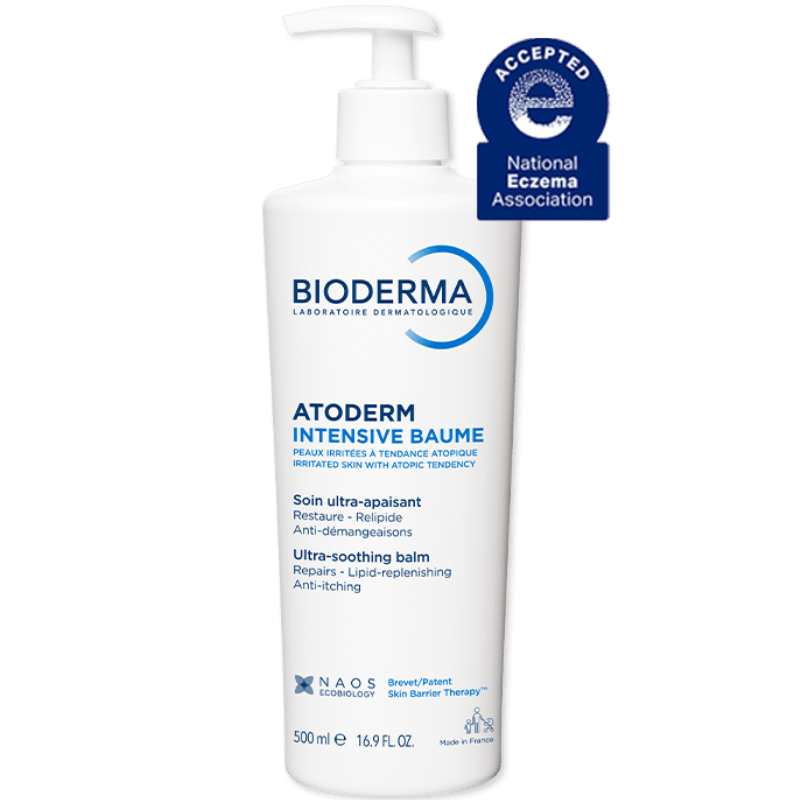
woman face with atoderm intensive balm

Gentle ATODERM care for sensitive, delicate eyelids


The eyelids are among the thinnest and most delicate areas of skin on the body, so products applied here must be both gentle and ophthalmologically tested to avoid stinging if they migrate into the eye. Fragrance-free care that soothes irritation while supporting the skin's natural moisture barrier is the safest daily approach.
 

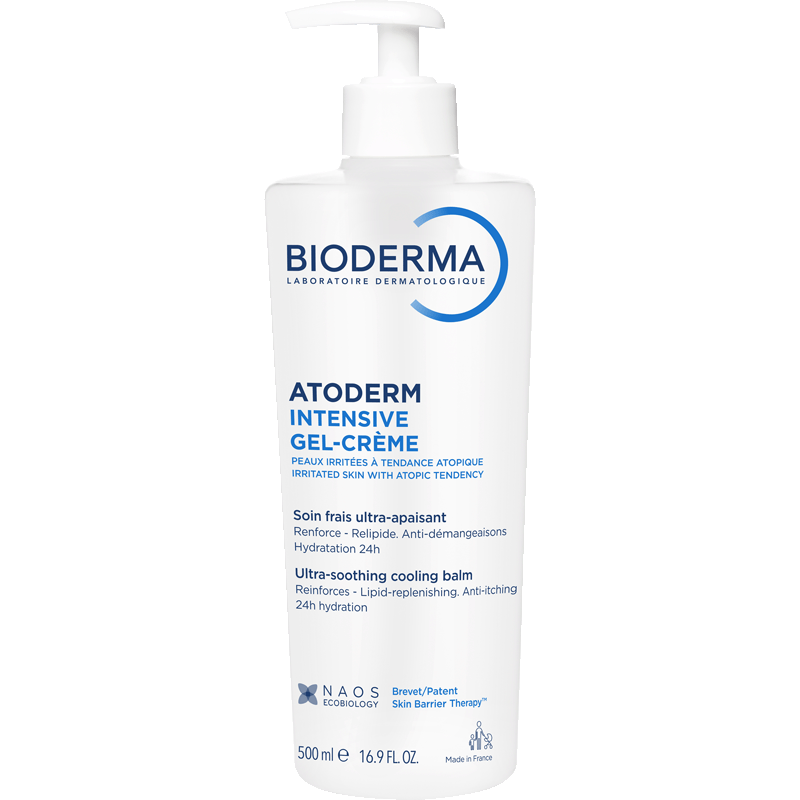
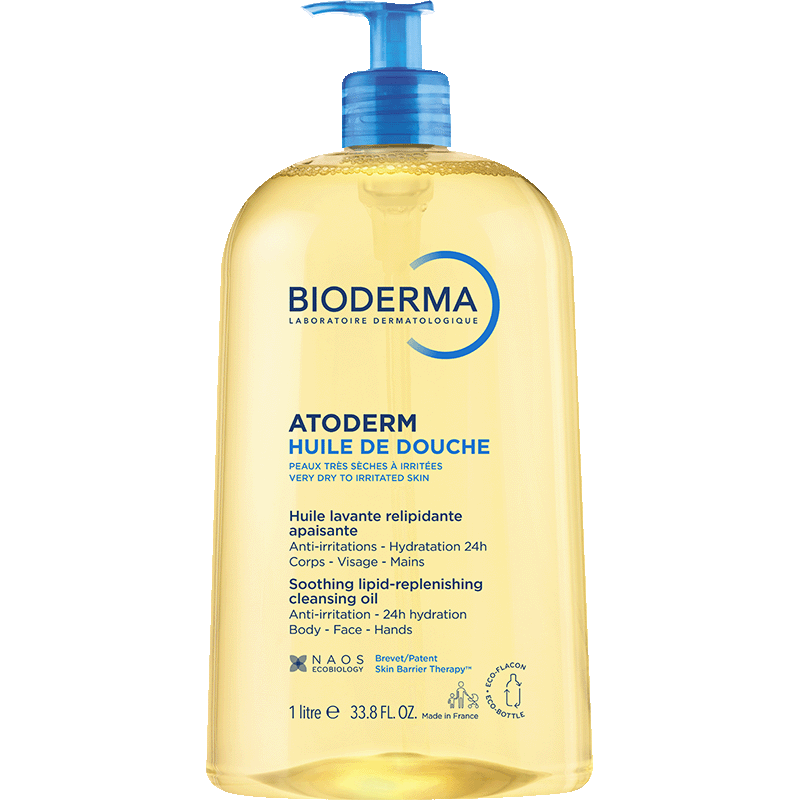
Within the ATODERM range, Atoderm Shower Oil offers gentle, soap-free cleansing that does not strip the fragile skin around the eyes, leaving it soothed, with 100% of users reporting soothed skin. Its fragrance-free formula is particularly suitable for delicate, sensitive skin and should be used with care to avoid direct contact with the eyes.


Common questions about eyelid eczema


What causes eczema on eyelids?


Several distinct causes exist. Allergic contact dermatitis caused by cosmetics, eye drops and preservatives is the most common, followed by irritant dermatitis from harsh products or chlorinated water. Atopic eczema affects people with an atopic predisposition, and stress and environmental factors such as pollen or dust mites can act as additional triggers.


Can eyelid eczema affect the eyes?


Eyelid eczema affects the skin around the eyes rather than the eye itself. The condition causes itching, redness, puffiness and sometimes small blisters. More intense cases can temporarily blur vision through puffiness, and persistent rubbing can lead to lash loss or alter the lid margin shape over time.
 

Any direct change in vision warrants immediate medical attention.


What is the best cream for eyelid eczema?


Treatment depends on intensity and trigger. For mild cases, fragrance-free moisturizers built for sensitive eyelid skin keep the area comfortable and prevent flare-ups. More intense eczema with active inflammation requires prescription treatment, such as low-potency topical corticosteroids for short courses or calcineurin inhibitors for longer treatment when steroids are less suitable.
 

A dermatologist matches the option to the individual situation.


Scientific references

 
  1. Guin JD. Eyelid dermatitis: experience in 203 cases. J Am Acad Dermatol. 2002;47(5):755-765. https://pubmed.ncbi.nlm.nih.gov/12399770/
  2. Huang CX, Yiannias JA, Killian JM, Shen JF. Seven Common Allergen Groups Causing Eyelid Dermatitis: Education and Avoidance Strategies. Clin Ophthalmol. 2021;15:1477-1490. https://pubmed.ncbi.nlm.nih.gov/33880007/
  3. Rubegni G, Padula T, Calabrese L, et al. Eyelid Contact Dermatitis: 25-Year Single-Center Retrospective Study. J Clin Med. 2025;14(3):823. https://pmc.ncbi.nlm.nih.gov/articles/PMC11818699/
  4. Lax SJ, Van Vogt E, Candy B, et al. Topical anti-inflammatory treatments for eczema: network meta-analysis. Cochrane Database Syst Rev. 2024;8(8):CD015064. https://pubmed.ncbi.nlm.nih.gov/39105474/
  5. Engebretsen KA, Johansen JD, Kezic S, Linneberg A, Thyssen JP. The effect of environmental humidity and temperature on skin barrier function and dermatitis. J Eur Acad Dermatol Venereol. 2016;30(2):223-249. https://pubmed.ncbi.nlm.nih.gov/26449379/


Author

Content written by the BIODERMA USA editorial team and medically reviewed by Anaïs Caldirola, Medical lead at NAOS, ensuring accuracy and scientific reliability. Medical information is based on established dermatological knowledge and peer-reviewed sources.