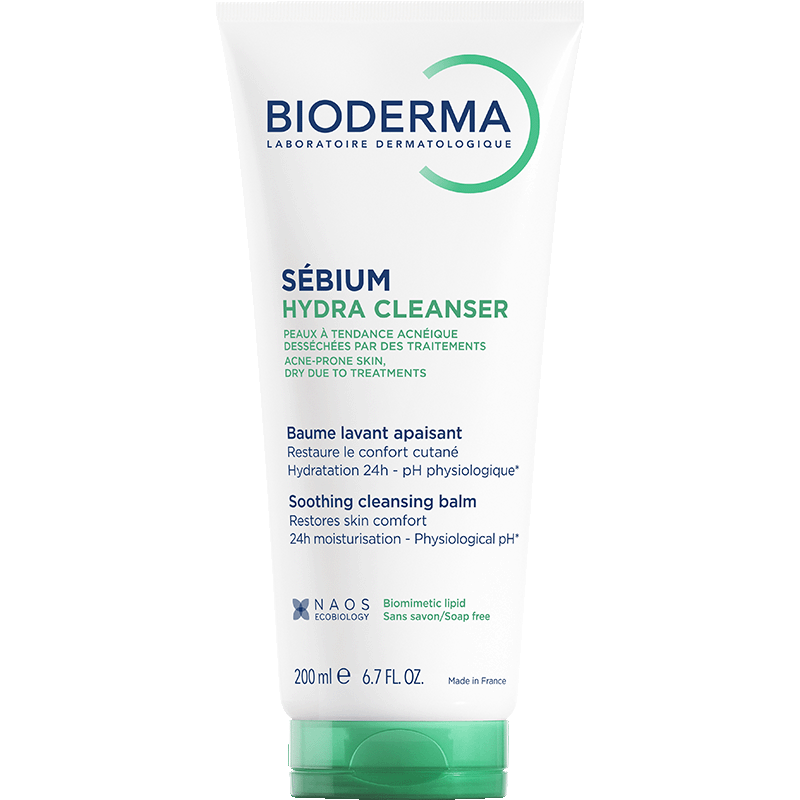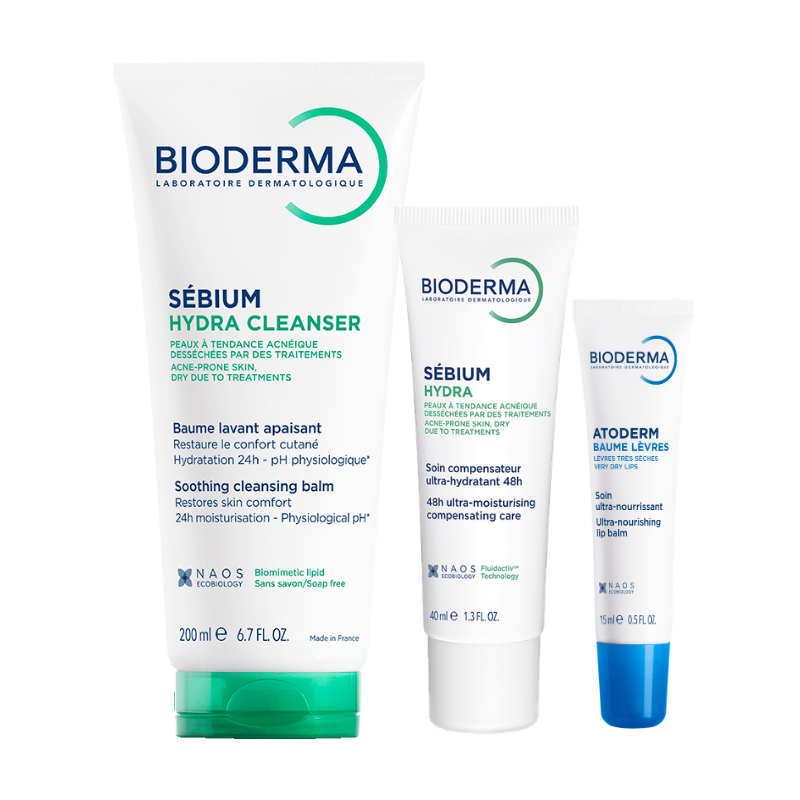




BLACK FRIDAY IS ON! UP TO 25% OFF + FREE 7-PIECE GIFT WITH $75+

SHOP NOW

Subscribe to our newsletter

Get 10% off your first order, plus the latest updates and news!

Combination oily to acne-prone skin

Understanding acne: causes, treatments, and long-term management strategies

Reading time : 8 min

acne prone skin

Acne is one of the most common skin conditions in the world, and it's become even more common globally over the past three decades, especially among young women. Persistent myths about what actually causes it mean a lot of people spend years chasing the wrong solutions before understanding what's really happening in their skin. This guide covers what acne is, why it develops, and which approaches are actually backed by evidence, from the basics through to when it's time to see a dermatologist. 


Key takeaways from this guide 


  • Acne results from a mix of bacteria, excess oil, dead skin cells, and inflammation, not poor hygiene alone.
  • Treatment effectiveness varies by acne type and by individual skin, so what works well for one person may not work for another.
  • Prevention through consistent skincare, stress management, and identifying your own dietary triggers can meaningfully reduce how often breakouts happen.
  • Long-term acne management tends to call for patience and consistency, and often benefits from professional guidance rather than quick fixes.
  • Acne shows up differently depending on type and severity, which is exactly why identifying yours matters before choosing a treatment.


Causes of acne explained
 

Four main biological and environmental factors drive acne, and together they explain patterns researchers have tracked for decades, including the fact that acne has grown more common worldwide since 1990 and, as of 2021, affects young women about 25% more often than young men.1 Understanding each of the factors that drive acne help you target the right approach from the start.


Acne-causing bacteria, known as Cutibacterium acnes, live naturally on everyone's skin. Problems start when they multiply inside a clogged pore. This triggers an immune response: white blood cells rush in and release inflammatory compounds, which is what causes the redness, swelling, and pain visible in more inflamed breakouts. In more severe cases, this inflammation can damage surrounding tissue and lead to lasting scarring. 
 

Androgens, a group of hormones that includes testosterone, stimulate the sebaceous glands (the skin's oil-producing glands) to make more oil. That oil mixes with dead skin cells and blocks follicles. This pattern is especially common during puberty, pregnancy, and the menstrual cycle, and conditions like polycystic ovary syndrome, which raises androgen levels, can worsen breakouts further. Hormonal acne is common enough, and different enough from other triggers, that it's worth understanding in more depth on its own.


Acne genuinely runs in families. A large twin study found that 81% of the variance in acne was attributable to genetic factors.2 Specific genes influence how much oil your skin produces, how strongly it responds to inflammation, and how quickly skin cells turn over. Genetics don't guarantee acne, but they do establish a real biological tendency that other triggers can activate.
 

Stress is a well-documented acne trigger. Cortisol, the body's main stress hormone, directly stimulates the sebaceous glands. A few other common triggers worth knowing:

  • High-glycemic diets, meaning diets high in refined sugar and simple carbs, which spike insulin levels
  • Comedogenic cosmetics, meaning products that clog pores
  • Friction from helmets, straps, or tight clothing, which can also show up as body acne on the back, chest, or shoulders, not just the face


Identifying which of these applies most to you makes day-to-day management far more precise.

Types of acne and severity levels


Acne affects up to 85% of people between the ages of 12 and 24,
and dermatologists generally sort it into a few broad categories based on how deep and inflamed the lesions are.3 Types of acne range from simple blackheads and whiteheads, which involve no bacterial infection, to inflamed papules and pustules, to deeper, more severe nodules and cysts that carry a higher risk of scarring and often need professional treatment. Acne isn't only a teenage concern either: it's also common among adults, particularly women over 25, where it tends to concentrate around the jawline and chin rather than across the whole face.
 

The right treatment depends on the type of lesion, your skin's sensitivity, and how severe things are. Matching the approach to your specific situation improves results and cuts down on unnecessary irritation.
 

These two ingredients are the standard starting point for mild to moderate breakouts. Benzoyl peroxide targets acne-causing bacteria directly, and lower concentrations tend to cause less irritation while still being effective. Salicylic acid penetrates pores to dissolve the buildup that blocks them, and works especially well on blackheads and whiteheads. Both typically need four to eight weeks of consistent daily use before you see real improvement, and combining them can increase dryness, so it's worth introducing them gradually.


When over-the-counter options aren't enough, a dermatologist may prescribe something stronger. Topical retinoids, such as tretinoin or adapalene, speed up cell turnover and help prevent new clogged pores from forming in the first place. Oral or topical antibiotics can reduce bacterial load and inflammation, though they're typically used for a limited time to avoid resistance. For severe, resistant nodular cases, prescription oral retinoids remain the strongest option, and require close medical supervision.
 

Some treatments work best in a dermatologist's office, targeting deeper layers of skin that topical products can't reach. Chemical peels using glycolic or salicylic acid help exfoliate and reduce the marks left behind by healed breakouts. 


Laser therapy can target acne-causing bacteria and calm overactive oil glands. These procedures tend to work best alongside a daily routine, not as a replacement for one.
 

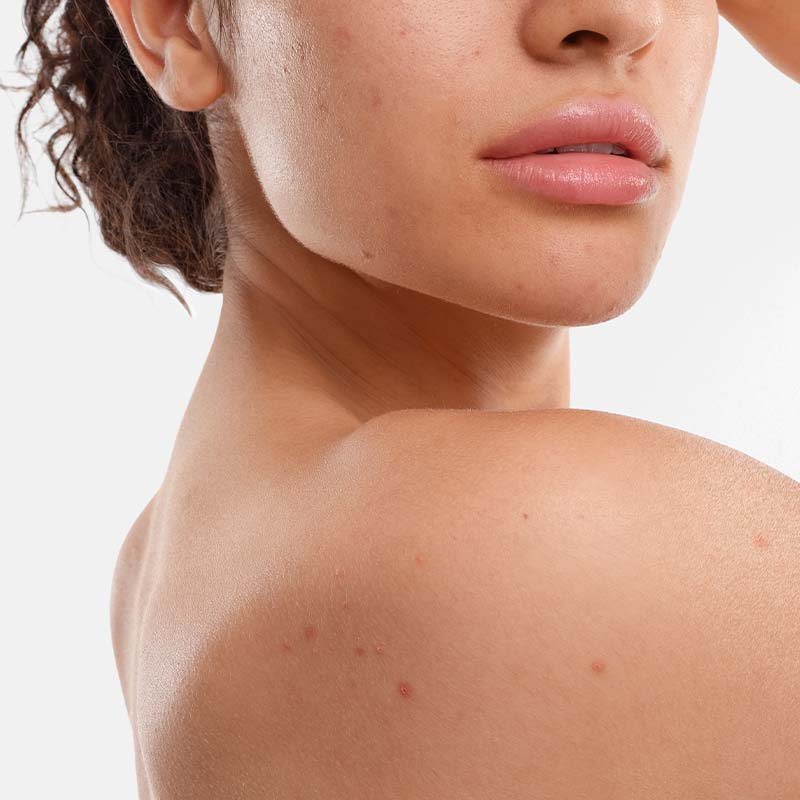
woman with acne on face and body skin

Effective products for acne-prone skin


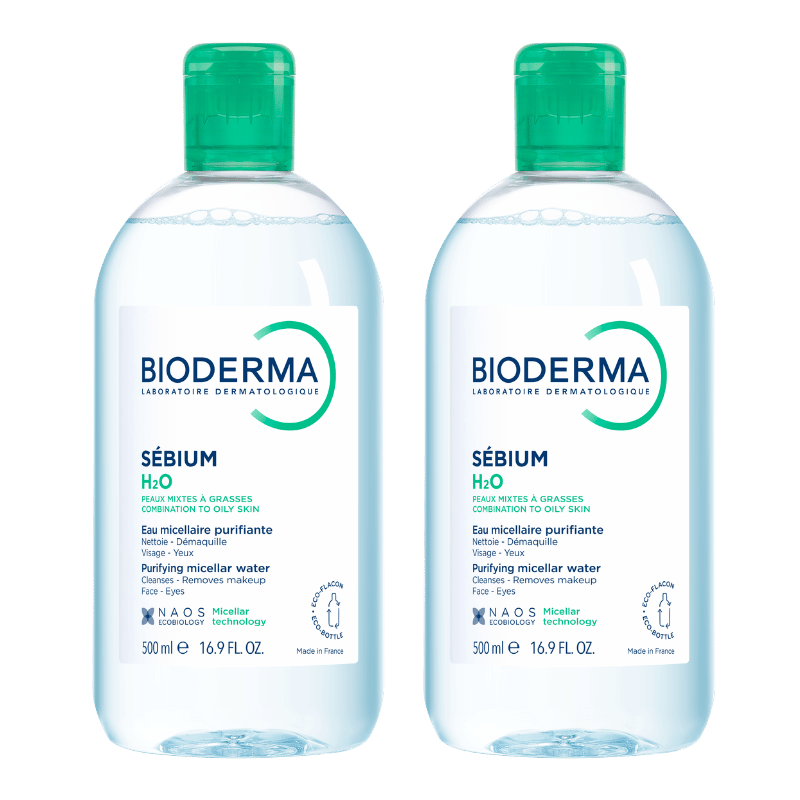
Whatever type of acne you're dealing with, a gentle, consistent routine matters as much as any single active ingredient. Sébium H2O is a solid foundation for acne prone skin: a non-rinse micellar water that removes makeup and daily buildup without disrupting the skin's natural balance.


For deeper cleansing, Sébium Exfoliating Gel offers a rinse-off option. Its gentle micro-beads work alongside glycolic and salicylic acid to clear congestion without over-exfoliating skin that's already inflamed.


Even oily, acne-prone skin needs hydration, and skipping moisturizer often backfires by triggering more oil production. Sébium Hydra was designed specifically for skin that's oily yet dehydrated or irritated, a combination that's common with acne itself or with acne treatments like retinoids and benzoyl peroxide.

Preventing acne breakouts


Prevention starts well before a breakout appears, and consistency tends to matter more than any single product.
 

Keep things simple. Cleanse twice daily, and save any exfoliating step for a couple of times a week rather than daily, since over-scrubbing on a daily basis irritates the skin barrier and can actually worsen inflammation. Choose a moisturizer labeled non-comedogenic, even if your skin is oily, since dehydrated skin often overcompensates by producing more oil. A few other daily habits worth building in: apply SPF 30 or higher every morning, since many acne treatments increase sun sensitivity, and avoid sleeping in makeup.
 

Diet can genuinely influence acne. In a three-month clinical trial, participants following a low-glycemic-load diet saw their average acne severity score fall from 2.68 to 1.56, with 45% reaching consistently low-glycemic eating patterns, compared with just 10% of the control group.4 Dairy, particularly skim milk, has also shown some association with acne in certain studies. Adding more omega-3 fatty acids, found in fatty fish or flaxseed, may help reduce inflammation as well.


Cortisol directly stimulates the skin's oil glands, and poor sleep tends to amplify cortisol release overnight. Aiming for seven to nine hours of consistent sleep, along with small daily habits like a short walk or a few minutes of deep breathing, can genuinely help lower stress over time. If stress feels like your main trigger, it's worth understanding the stress-acne connection in more depth. 
 

A few small habits go a long way: try not to touch your face throughout the day, clean your phone screen regularly, and change pillowcases every two to three days. Tight clothing and helmet straps can also cause breakouts through friction, particularly along the jawline and back.
 

Managing acne scars


Scarring is common enough to plan for. A meta-analysis of 37 studies and nearly 25,000 acne patients found a pooled scarring prevalence of 47%, so getting ahead of it early is worth the effort.5 Acne scars generally fall into two broad categories, atrophic (depressed) scars and raised, or hypertrophic, scars, both of which form when inflammation disrupts collagen in the skin. Post-inflammatory hyperpigmentation, the flat dark marks left behind after a breakout heals, is different from a true scar and tends to fade on its own over time, though it can be slow.


Treatment depends on the type and depth of scarring. Chemical peels can help resurface milder, superficial scarring, microneedling supports collagen remodeling for textured scars, and laser resurfacing can address deeper structural damage. A dermatologist is the best person to assess your specific scarring and recommend the right combination.


Frequently asked questions


Yes, genetics play a meaningful role in acne. A large twin study found that around 81% of the variation in acne susceptibility comes down to genetic factors. Genetics alone don't guarantee acne, though, environmental and lifestyle factors still play a real part in whether breakouts actually happen.
 

Stress raises cortisol, which increases oil production and inflammation, and can worsen existing acne. While stress on its own doesn't directly cause acne, it acts as an accelerant for skin that's already prone to breakouts. Managing stress through movement, sleep, or relaxation techniques can help reduce flare-ups.
 

Yes. High-glycemic foods and, for some people, dairy can trigger or worsen acne by raising insulin levels and influencing hormones. The effect varies quite a bit from person to person, so tracking your own patterns tends to be more useful than following a one-size-fits-all rule.
 

Start gentle: a fragrance-free cleanser paired with a low-concentration active, like a mild benzoyl peroxide or a low-strength retinol, is a good place to begin. Introduce new products one at a time, always follow up with sunscreen, and check with a dermatologist before combining multiple active ingredients.
 

Most treatments need six to eight weeks before you see real improvement, with fuller results often appearing around the twelve-week mark. Sticking with a routine matters more than switching products frequently, since stopping too early is one of the most common reasons treatment doesn't seem to work.
 

It's worth booking a visit if over-the-counter treatment hasn't helped after about eight weeks, if you're dealing with painful cystic or nodular breakouts, or if scarring is starting to develop. A dermatologist can also help with acne that seems tied to hormonal changes or certain medications.
 

Scientific references


  1. Global, regional and national burdens of acne vulgaris in adolescents and young adults aged 10-24 years from 1990 to 2021: a trend analysis (British Journal of Dermatology – Zhou Zhu et al., 2025) https://pubmed.ncbi.nlm.nih.gov/39271178/  
  2. The influence of genetics and environmental factors in the pathogenesis of acne: a twin study of acne in women (Journal of Investigative Dermatology – V. Bataille et al., 2002) https://pubmed.ncbi.nlm.nih.gov/12485434/  
  3. Skin conditions by the numbers (American Academy of Dermatology – American Academy of Dermatology, 2025) https://www.aad.org/media/stats-numbers  
  4. Effect of a low-glycemic-load diet and dietary counseling on acne vulgaris severity among female patients aged 15 to 35 years (Cureus – Qaisar Raza et al., 2024) https://www.ncbi.nlm.nih.gov/pmc/articles/PMC11611413/
  5. Prevalence and risk factors of acne scars in patients with acne vulgaris 
    (Skin Research and Technology – L. Liu et al., 2023) 
    https://www.ncbi.nlm.nih.gov/pmc/articles/PMC10240192/  


Author


Content written by the BIODERMA USA editorial team and medically reviewed by Anaïs Caldirola, Medical lead at NAOS, ensuring accuracy and scientific reliability. Medical information is based on established dermatological and nutritional references.