


BLACK FRIDAY IS ON! UP TO 25% OFF + FREE 7-PIECE GIFT WITH $75+

SHOP NOW

Subscribe to our newsletter

Get 10% off your first order, plus the latest updates and news!

Normal, dry to atopic skin

Weeping eczema explained: causes, symptoms and solutions

Reading time : 7 min

weeping eczema on arm

Key takeaways from this guide


  • Weeping eczema is an acute presentation of atopic dermatitis in which fluid escapes through a weakened skin barrier, and its management differs from a typical dry flare.
  • Bacterial colonization is a central concern, as Staphylococcus aureus is frequently present on active lesions, so recognizing infection signs early allows prompt intervention.
  • Wet-wrap therapy combined with topical corticosteroids brings rapid relief in acute exudative flares and is the standard intervention for more intense cases.
  • Daily emollient use and gentle skincare limit flare frequency and support barrier recovery between episodes.
  • Weeping episodes can affect daily life and work productivity, and early intervention helps protect skin function and emotional well-being.


Among the many presentations of atopic dermatitis, weeping eczema stands out as one of the most acute forms. Fluid leakage replaces the dry flaking of standard eczema, which changes both the clinical picture and the care plan, and the skin needs more support.

This guide covers what causes weeping eczema, how to recognize it, why standard eczema treatments need to be adapted during the exudative phase, and how to support barrier recovery without intensifying irritation.

The information below is based on peer-reviewed dermatology and on what suits sensitive, atopic-prone skin.
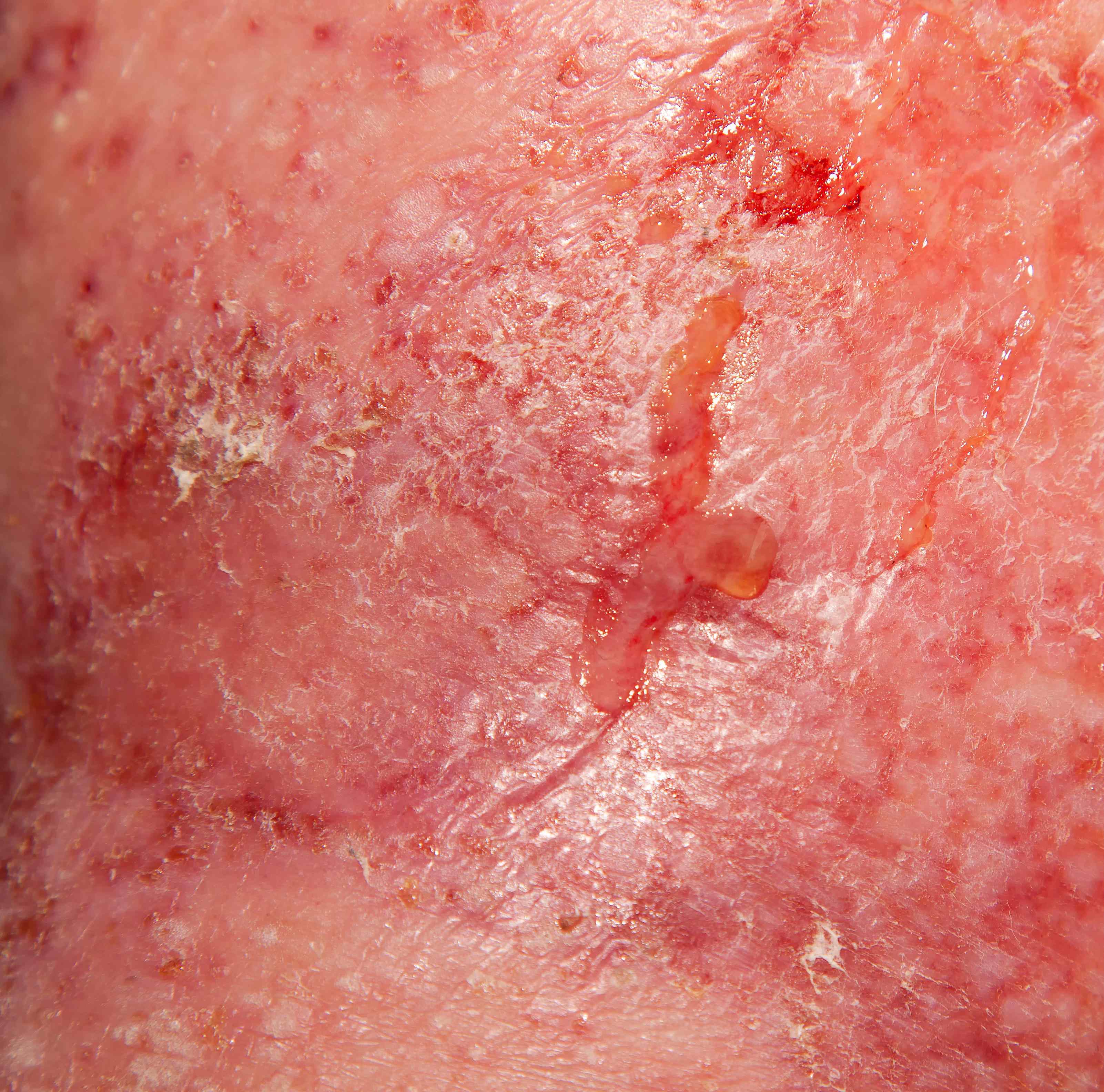


intense weeping eczema

Introduction to weeping eczema


How weeping eczema differs from dry eczema

Dry eczema presents with flaking, rough patches and persistent itching. Weeping eczema is different. The skin releases a clear or yellowish fluid, the lesions look raw, and they form honey-colored crusts as the fluid dries. Both belong to the eczema spectrum and represent different stages of the same inflammatory process. For broader context on the condition itself, see eczema.


Why the skin weeps and how exudation works

The skin barrier acts like a protective wall. During an acute flare, inflammation affects that wall deeply. Blood vessels dilate and become more permeable, fluid escapes into the surrounding tissue, and it then passes through the affected skin surface. The weeping is the body's signal that the barrier needs immediate care and support.


Common causes of weeping eczema


Eczema causes are partly written in DNA. Mutations in the filaggrin gene weaken the skin barrier, so moisture escapes more easily and irritants penetrate more readily. The immune system then overreacts, responding to substances other people tolerate without difficulty, and a family history of asthma or hay fever increases individual exposure to this pattern.


Eczema triggers come from everyday surroundings. Common culprits include harsh soaps and detergents that affect the skin barrier, dust mites, pollen, pet dander, extreme temperatures, low humidity, and synthetic fabrics that create friction and heat. Stress amplifies immune reactivity, and each exposure can push already vulnerable skin toward an acute episode.


A weakened skin barrier creates an entry path for bacteria, and Staphylococcus aureus is the most commonly involved. In a systematic review and meta-analysis of patients with atopic dermatitis, the pooled prevalence of S. aureus colonization was 70% on lesional skin, 39% on non-lesional skin, and 62% in the nose, and the prevalence on lesional skin increased with disease intensity1. Bacterial presence amplifies inflammation and slows healing, so acting early during a weeping flare limits the bacterial load.


Recognizing symptoms of weeping eczema


Red, puffy patches appear first. The skin then develops small fluid-filled blisters called vesicles, which open and release a clear or yellowish liquid that forms honey-colored crusts as it dries. Affected areas often look raw and inflamed. This presentation can appear anywhere on the body. In children with eczema, the face, scalp and elbow creases are common sites, while in adults, hands, wrists and ankles are frequently affected.


Intense itching is one of the most common symptoms. Scratching affects the skin barrier further and increases fluid leakage, sleep becomes difficult, and concentration and daily performance suffer. Weeping forms can affect quality of life notably more than non-weeping presentations.


A secondary bacterial infection sometimes develops on weeping lesions. Warning signs include increased warmth, spreading puffiness, pus instead of clear fluid, and a foul odor from the skin. Fever or redness that progresses across the area calls for prompt medical attention, and the colonization rates documented in atopic dermatitis make early monitoring useful.


Effective treatment options for weeping eczema


Acting quickly during a weeping flare protects the skin barrier and limits the chance of secondary infection. Several proven approaches exist, ranging from simple home techniques to dermatology-prescribed interventions.


Wet-wrap therapy acts like a cooling bandage for inflamed skin. A damp layer of fabric is applied directly over the affected area, then a dry layer on top, which locks in moisture and calms intense itching within hours. Wet-wrap dressings with diluted corticosteroids have shown clear efficacy as an intervention treatment for more intense or refractory atopic dermatitis2. A randomized controlled trial of the proactive wet-wrap method in children with atopic dermatitis confirmed the benefit of diluted corticosteroids over emollients alone3.


The right eczema cream depends on the flare stage. During active weeping, thick or occlusive creams can trap bacteria and intensify the situation, so lighter, soothing formulas are preferred first. Once the weeping subsides, emollients become central to recovery, and their regular use limits flare frequency and the need for topical corticosteroids4. Topical corticosteroids remain the standard short-term treatment for inflamed areas, while calcineurin inhibitors offer a steroid-free alternative for sensitive zones such as the face or skin folds. Their comparative efficacy has been reviewed in a recent Cochrane network meta-analysis of 291 trials and 45,846 participants5


Some situations call for professional evaluation, including weeping that extends quickly across the skin, fever appearing alongside the lesions, or fluid that becomes thick and yellow-green, suggesting bacterial infection. Oral antibiotics may be prescribed when infection is confirmed, and in more intense or persistent cases, systemic treatments such as dupilumab or short courses of oral corticosteroids can be considered by a dermatologist. For repeated severe itching during flares, how to stop eczema itching immediately covers the techniques that work fastest.


Home remedies and preventive measures


Consistent daily habits form the strongest defense against flares. A basic routine combining gentle cleansing and regular moisturizing keeps the skin barrier functional between episodes. Moisturizer applied within three minutes of bathing, while the skin is still slightly damp, maximizes absorption. Fragrance-free, soap-free cleansers with a pH close to the skin's natural level are preferable.


Prevention depends on knowing individual triggers. Common culprits include dust mites and pet dander, while synthetic fabrics and certain preservatives in cosmetics also play a role. A simple diary that records flares alongside recent exposures, foods eaten and activities usually reveals patterns within two to four weeks. Some patients notice improvements after reducing dairy or gluten, though elimination diets should always be supervised by a healthcare professional to prevent nutritional gaps.


Stress is a well-documented eczema trigger, and the skin and nervous system communicate through shared inflammatory pathways. Mindfulness-based techniques, progressive muscle relaxation and regular moderate exercise all help lower cortisol levels. Cognitive behavioral therapy has shown measurable benefits for patients with chronic eczema, and psychological support is a core part of eczema management rather than a secondary option.


Long-term management focuses on consistency rather than intensity. Lukewarm showers protect the lipids that hot water strips away, and keeping fingernails short limits the effects of scratching overnight. On high-pollen or high-pollution days, rinsing exposed skin promptly after returning indoors helps, and regular follow-up appointments allow early treatment adjustments before a mild flare progresses into a weeping episode.


Choosing fragrance-free ATODERM care for atopic-prone skin


When skin is particularly dry and sensitive, lighter textures can help provide comfort without feeling heavy, while daily emollients remain essential for supporting the skin's natural moisture barrier and maintaining hydration. Fragrance-free formulas designed for very dry and atopic-prone skin are a gentle choice for delicate, sensitive skin.
 

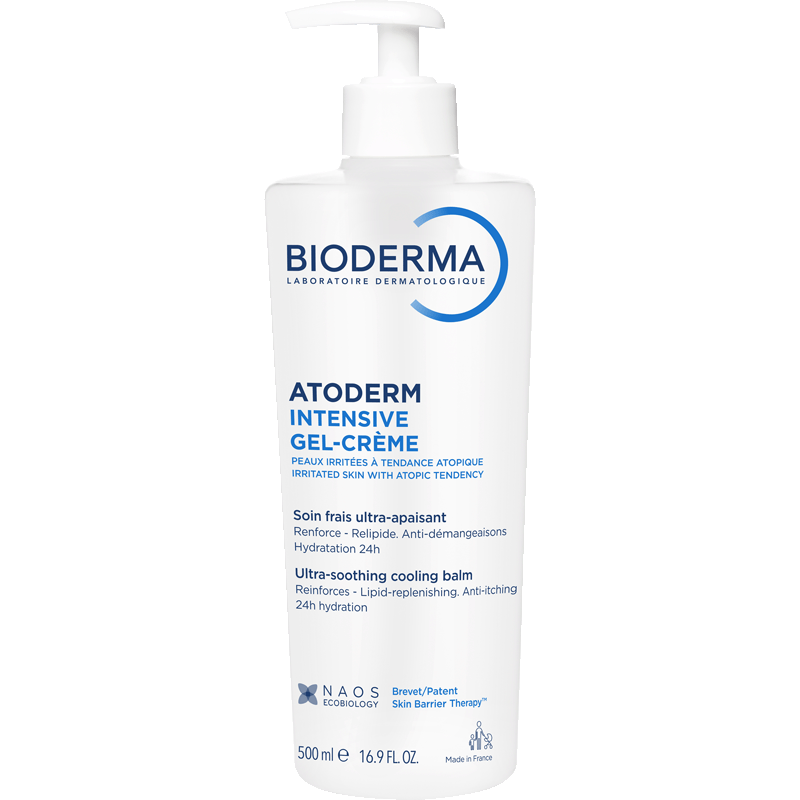
Within the ATODERM range, Atoderm Intensive Gel-Cream offers a light, fresh texture for very dry to atopic-prone skin, with 100% of users reporting nourished skin and long-lasting skin protection measured at 95%. For normal to dry skin, Atoderm Ultra Cream provides daily nourishment, with skin hydration increased by 28% after 24 hours. Both are fragrance-free and suited to dry, sensitive and atopic-prone skin.


Common questions about weeping eczema


Weeping eczema occurs when the skin barrier is deeply compromised and fluid escapes from deeper skin layers, a cascade often triggered by intense inflammation. Bacterial colonization is one factor, with Staphylococcus aureus being the most common, and environmental irritants and a genetic predisposition to atopic dermatitis complete the picture. The weeping represents an acute inflammatory response that calls for prompt intervention.
 

Weeping eczema is a chronic condition that responds well to long-term management, and acute episodes can be effectively controlled and prevented with the right approach. Consistent daily skincare, trigger identification and early intervention during flare-ups all help, and most people experience marked improvement in the frequency and intensity of weeping episodes over time. A dermatologist tailors the plan to the individual situation.
 

Weeping eczema itself is not contagious, since it results from internal skin inflammation. If a bacterial infection such as impetigo develops on the lesions, that infection can be transmitted through direct contact. Proper hygiene and early treatment of weeping episodes prevent secondary infection complications, and the Staphylococcus aureus colonization documented in atopic dermatitis makes hygiene measures useful during flares.
 

Scientific references


  1. Totte JE, van der Feltz WT, Hennekam M, van Belkum A, van Zuuren EJ, Pasmans SG. Prevalence and odds of Staphylococcus aureus carriage in atopic dermatitis: a systematic review and meta-analysis. Br J Dermatol. 2016;175(4):687-695. https://pubmed.ncbi.nlm.nih.gov/26994362/
  2. Devillers AC, Oranje AP. Efficacy and safety of 'wet-wrap' dressings as an intervention treatment in children with severe and/or refractory atopic dermatitis: a critical review of the literature. Br J Dermatol. 2006;154(4):579-585. https://pubmed.ncbi.nlm.nih.gov/16536797/
  3. Janmohamed SR, Oranje AP, Devillers AC, et al. The proactive wet-wrap method with diluted corticosteroids versus emollients in children with atopic dermatitis: a prospective, randomized, double-blind, placebo-controlled trial. J Am Acad Dermatol. 2014;70(6):1076-1082. https://pubmed.ncbi.nlm.nih.gov/24698702/
  4. van Zuuren EJ, Fedorowicz Z, Christensen R, Lavrijsen APM, Arents BWM. Emollients and moisturisers for eczema. Cochrane Database Syst Rev. 2017;2(2):CD012119. https://pubmed.ncbi.nlm.nih.gov/28166390/
  5. Lax SJ, Van Vogt E, Candy B, et al. Topical anti-inflammatory treatments for eczema: network meta-analysis. Cochrane Database Syst Rev. 2024;8(8):CD015064. https://pubmed.ncbi.nlm.nih.gov/39105474/


Author


Content written by the BIODERMA USA editorial team and medically reviewed by Anaïs Caldirola, Medical lead at NAOS, ensuring accuracy and scientific reliability. Medical information is based on established dermatological knowledge and peer-reviewed sources.