




BLACK FRIDAY IS ON! UP TO 25% OFF + FREE 7-PIECE GIFT WITH $75+

SHOP NOW

Subscribe to our newsletter

Get 10% off your first order, plus the latest updates and news!

Normal, dry to atopic skin

How to take care of mature skin?

Reading time : 7 min

two woman with mature skin

Mature skin is skin that has started to show the visible effects of aging, most often discussed as skin that's 40 or older, though the two don't always line up exactly. Some people's skin ages more slowly than their years would suggest, and some experience changes earlier. What causes mature skin, how to spot it, and what actually helps are often more straightforward than they seem once you understand what's happening beneath the surface. 


Key takeaways from this guide 


  • Mature skin is skin that has started to show visible signs of aging, typically from around age 40 onward, though biological age and skin age don't always match.
  • Genetics and sun exposure are the two biggest drivers of how skin ages, and each plays a roughly similar-sized role.
  • A simple, consistent routine built around gentle cleansing, hydration, and daily SPF tends to serve mature skin better than an aggressive or constantly changing one.
  • Ingredients like retinol, hyaluronic acid, and peptides have real evidence behind them, though results build gradually rather than overnight.
  • Most changes that come with mature skin are a normal part of aging, but new or changing spots are worth having checked by a dermatologist.

laboratory

What is mature skin?


Mature skin refers to skin that has started to age, both in how it looks and how it behaves day to day. It's typically associated with being around 40 and older, but biological age and skin age don't always match. Someone's skin can show signs of aging earlier or later than expected, depending on a mix of genetics, sun exposure, and lifestyle over the years. Rather than a single sign, mature skin usually shows up as a combination of changes that build gradually rather than appearing all at once. 
 

Common signs of mature skin


Fine lines and wrinkles are often the first visible sign people associate with mature skin. They tend to form first around the eyes and mouth, areas where the skin moves the most, and deepen gradually over time as the skin's underlying support structure changes.
 

Skin naturally loses some of its bounce and firmness with age. This comes down largely to collagen, the protein that gives skin its structure: research comparing skin from people in their 20s with skin from people over 80 found that collagen production was around 32% lower in the older group.1 As collagen production slows, skin can feel less resilient and take on a slacker appearance.
 

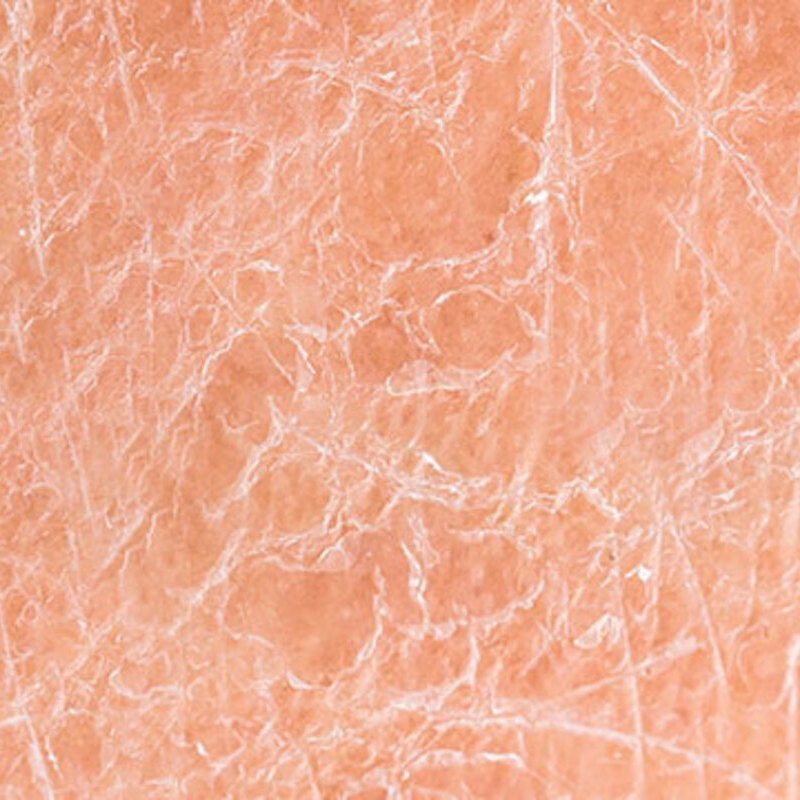
Mature skin often produces less natural oil than it once did, which can leave it feeling drier and looking less radiant, something that tends to become even more noticeable during colder months, when indoor heating and harsh weather put extra strain on an dry winter skin. Skin cell turnover also slows with age, meaning dull, dead surface cells linger a bit longer before renewing.
 

Patches of darker pigmentation, often called age spots, and general unevenness in skin tone tend to become more noticeable over time, particularly on skin that's had significant sun exposure over the years.
 

A lot of how skin ages comes down to biology outside of our control. One twin study found that up to 60% of the difference in how people's skin ages can be traced to genetics, with the remaining 40% coming down to non-genetic factors like sun exposure, smoking, and other lifestyle habits.2 Hormonal shifts, particularly around menopause, and the natural aging process itself all play a role as well.
 

The other major piece of the puzzle is largely within our control, and within that 40% of non-genetic factors, sun exposure stands out well above the rest. Separate research measuring visible facial aging specifically found that cumulative sun exposure accounts for around 80% of those visible signs, making it by far the most significant lifestyle factor at play.3 Beyond the sun, stress, smoking, inadequate sleep, diet, pollution, certain skincare habits, and repeated facial expressions all contribute to how quickly visible signs of aging appear.
 

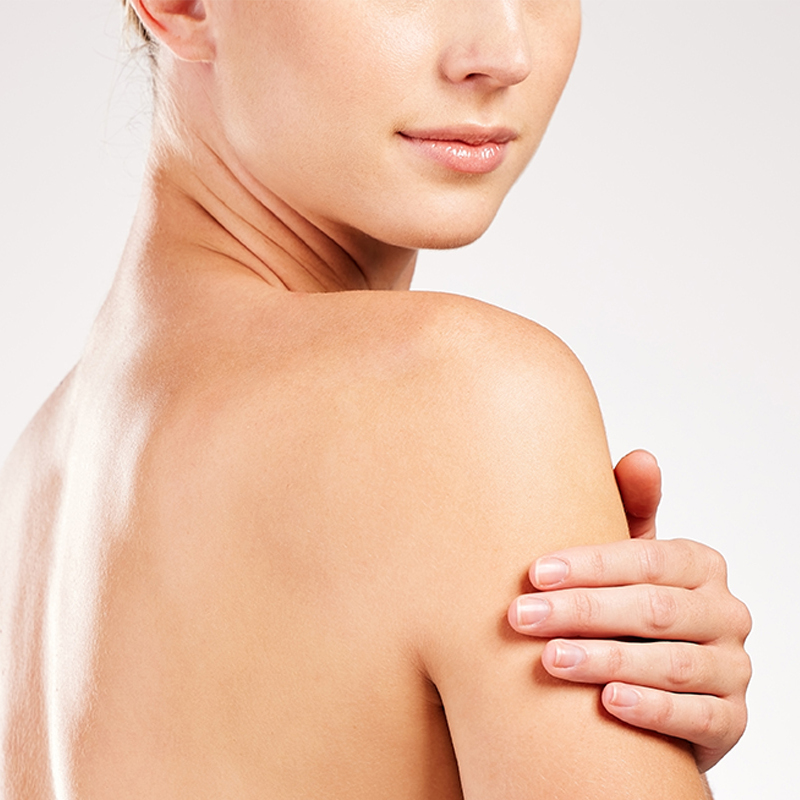
woman body

What is the best moisturizer for mature skin?


A good moisturizer for mature skin should do more than sit on the surface. Look for one that combines humectants like hyaluronic acid and glycerin, which draw moisture into the skin, with ceramides, which help reinforce the skin's natural barrier and keep that moisture locked in. Richer, slightly heavier textures tend to suit mature skin better than very lightweight formulas, especially since natural oil production tends to decrease with age. Atoderm Ultra Cream is a good example of this kind of formulation, built around ultra-nourishing hydration for normal to dry skin.
 

How to take care of mature skin?


Different active ingredients play different, well-documented roles in supporting mature skin.


Antioxidants like vitamin E and green tea extract help protect skin cells from everyday environmental stress, including some of the effects of sun exposure and pollution.
 

Retinol, a form of vitamin A, is one of the most studied ingredients for mature skin. In a 24-week study, retinol-treated skin showed a wrinkle score improvement of 1.64 points on a standard 9-point severity scale, compared with almost no change in untreated skin on the same person, alongside boosts in two of the skin's natural moisture- and structure-supporting molecules.4 Results build gradually, so consistency matters more than speed here.
 

Vitamin C supports collagen production and helps brighten skin tone, making it a useful partner to retinol in a well-rounded routine.
 

Hyaluronic acid is a humectant that can hold significant amounts of water, helping skin feel plumper and more hydrated.
 

Topical collagen mainly works by supporting the skin's surface hydration, since collagen molecules are generally too large to penetrate deeply on their own.
 

Peptides are small protein fragments that can help signal skin cells to support their natural repair processes.
 

Niacinamide helps support the skin barrier, even out tone, and calm redness, and it tends to be gentle enough to pair with most other actives.
 

Alpha hydroxy acids gently exfoliate the skin's surface, helping improve texture and encourage cell turnover.
 

Beta hydroxy acids work similarly to AHAs but penetrate slightly deeper into pores, making them useful for texture and clarity.
 

Ceramides are lipids naturally found in skin that help reinforce the barrier and reduce moisture loss, which becomes increasingly important as skin matures.
 

What skincare products for mature skin?


Atoderm Ultra Cream is formulated as an ultra-nourishing cream for normal to dry skin, making it a solid match for mature skin that's started to feel drier or less supple than it used to.
 

Sustained hydration plays a real role in how comfortable and supple skin feels day to day. The Atoderm Ultimate Hydrating Duo is built around that kind of consistent, layered hydration, supporting comfort without being heavy.
 

Given how much sun exposure contributes to visible skin aging, daily sun protection matters as much as any treatment product. Look for a broad-spectrum sunscreen rated SPF 30 or higher, and reapply every two hours when you're outside for extended periods, since consistent daily use is what actually makes the difference.
 

How to prevent premature skin aging?


This is worth leading with: in a randomized trial following adults for 4.5 years, daily sunscreen users showed 24% less visible skin aging than those who only used sunscreen occasionally.5 Making SPF a daily habit, alongside keeping skin well hydrated day to day, is genuinely one of the most effective things you can do for your skin over time.
 

Chronic stress can affect skin indirectly through hormonal changes that influence inflammation and repair. Simple daily habits like movement, sleep, or a few minutes of quiet time can help.
 

Smoking reduces blood flow to the skin and accelerates the breakdown of collagen and elastin, contributing to premature wrinkling well beyond what natural aging alone would cause.
 

Skin does much of its repair work overnight, so consistent, adequate sleep supports the skin's natural renewal process.
 

A diet rich in antioxidants, healthy fats, and adequate hydration supports skin from the inside, complementing whatever is applied topically.
 

Airborne pollutants can contribute to oxidative stress in the skin, similar in some ways to how UV exposure does. A clean, gentle routine that removes residue at the end of the day can help limit this.
 

dermatologist

When to see a dermatologist


Most of the changes that come with mature skin, fine lines, some dryness, gradual loss of firmness, are a normal part of aging and not a cause for concern. That said, it's worth having any new, changing, or unusual spot checked by a dermatologist, since catching changes early is always the safer choice. This is true regardless of age but becomes especially relevant as skin matures and spends more cumulative years exposed to the sun.


Frequently asked questions


There's no fixed age, since it depends heavily on genetics and sun exposure, but visible changes commonly become more noticeable from the mid-30s to 40s onward for many people.
 

Yes, though it's worth introducing gradually to avoid irritation, starting with a lower concentration a few times a week before increasing frequency.
 

No. While sun protection can't undo existing damage, it can meaningfully slow further visible aging and is worth starting at any age.
 

Staying hydrated supports overall skin function, but topical hydration and a good moisturizer tend to have a more direct, visible effect on how skin looks and feels day to day.
 

Oil production naturally declines with age, which is why routines and products that worked in someone's 20s or 30s may need to become richer and more hydrating over time.


Scientific references


  1. Decreased collagen production in chronologically aged skin: roles of age-dependent alteration in fibroblast function and defective mechanical stimulation (American Journal of Pathology – James Varani et al., 2006) https://pubmed.ncbi.nlm.nih.gov/16723701/  
  2. Genetic polymorphisms and skin aging: the identification of population genotypic groups holds potential for personalized treatments (Clinical, Cosmetic and Investigational Dermatology – Jordi Naval et al., 2014) https://pmc.ncbi.nlm.nih.gov/articles/PMC4085290/  
  3. Effect of the sun on visible clinical signs of aging in Caucasian skin (Clinical, Cosmetic and Investigational Dermatology – Frédéric Flament et al., 2013) https://pubmed.ncbi.nlm.nih.gov/24101874/  
  4. Improvement of naturally aged skin with vitamin A (retinol) (Archives of Dermatology – Reza Kafi et al., 2007) https://pubmed.ncbi.nlm.nih.gov/17515510/ 
  5. Sunscreen and prevention of skin aging: a randomized trial (Annals of Internal Medicine – Maria Celia B. Hughes et al., 2013) https://www.acpjournals.org/doi/10.7326/0003-4819-158-11-201306040-00002


Author


Content written by the BIODERMA USA editorial team and medically reviewed by Anaïs Caldirola, Medical lead at NAOS, ensuring accuracy and scientific reliability. Medical information is based on established dermatological and nutritional references