

BLACK FRIDAY IS ON! UP TO 25% OFF + FREE 7-PIECE GIFT WITH $75+

SHOP NOW

Subscribe to our newsletter

Get 10% off your first order, plus the latest updates and news!

Normal, dry to atopic skin

Dry skin under beard: causes, treatments, and prevention strategies

Reading time : 9 min

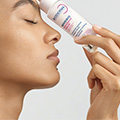
hand on a bread face men

Itching, flaking, and persistent discomfort under a beard are more common than most men realize, and they almost always point to the same underlying issue: dry, irritated skin beneath the hair. The beard creates a unique microclimate that traps heat and prevents air circulation, disrupting the skin's natural moisture balance over time. Harsh soaps, cold weather, and genetic predisposition all accelerate moisture loss in this area. Identifying the source of your dryness is the first step toward resolving it.


Key takeaways from this guide 


  • Harsh soaps and extreme weather are primary triggers of dry skin under the beard.
  • Daily moisturizing reduces dryness and itching significantly within a few weeks of consistent use.
  • Seborrheic dermatitis affects a meaningful share of adults and is a common cause of beard flaking that requires targeted care.
  • Gentle exfoliation via soft brushing removes dead skin cells and improves product absorption without irritation.
  • Long-term prevention combines proper cleansing, consistent hydration, lifestyle adjustments, and protection against environmental stress.


Causes of dry skin under beard
 

Regular bar soaps and many standard shampoos contain surfactants that aggressively remove sebum from the skin surface. Without its natural oils, the skin loses moisture rapidly, leading to flaking, tightness, and an itchy beard that worsens with every wash. The pH of most bar soaps sits between 9 and 11, well above the skin's natural pH of around 5.5. Cleansers at this alkaline level disrupt the skin's protective acid mantle and accelerate barrier damage, increasing the likelihood of irritation and dryness. Switching to a pH-balanced, gentle cleanser specifically formulated for facial skin makes a measurable difference.


Cold air holds less moisture than warm air, and during winter months low humidity pulls water directly from both exposed and beard-covered skin. Wind accelerates moisture loss further, while indoor heating compounds the problem by drying the air inside. These combined conditions intensify skin irritation seasonally, often triggering visible flaking in the beard. 
 

The impact is measurable: the incidence of atopic skin exacerbation, a condition characterized by dry, itchy, and inflamed skin, peaks in winter at 36% — compared to 25% in spring, 19% in summer, and just 11% in autumn — confirming that cold, dry environments take a real toll on the skin barrier and are a common cause of dry skin.1
 

Some individuals are genetically predisposed to seborrhoeic dermatitis (SD), a chronic inflammatory skin condition that preferentially affects oil-rich facial zones including the beard area. SD causes persistent flaking, redness, and itching that goes beyond ordinary dryness and requires targeted management. A 2024 meta-analysis of 121 studies including over 1.26 million individuals found a pooled global prevalence of seborrhoeic dermatitis of 4.38%, rising to 5.64% in adults specifically, making it a far more common condition than many people realize.2 A consistent skincare routine is essential to manage this inherited tendency.
 

How to treat dry skin under beard


Switching to a sulfate-free, fragrance-free cleanser immediately reduces irritation. A dedicated beard wash or mild cleansing gel is preferable to standard shampoo, as these formulas respect the skin's pH while removing dirt and dead cells. Use lukewarm water rather than hot, rinse thoroughly to avoid product buildup at the skin surface, and pat dry with a soft towel rather than rubbing, which aggravates inflammation. Limiting cleansing to twice daily is sufficient for most skin types.
 

Skin hydration under a beard requires ingredients that can penetrate through facial hair. The most effective moisturizing products combine three types of agents working together. Humectants such as hyaluronic acid and glycerin draw moisture into the skin cells. Emollients such as jojoba, argan, and sweet almond oil soften both skin and hair follicles. Occlusives such as shea butter and beeswax create a light seal that prevents moisture from evaporating. Look for formulas containing glycerin, shea butter, or niacinamide for lasting moisture retention.
 

If over-the-counter products do not provide relief within a few weeks, it is worth consulting a dermatologist. Persistent redness, bleeding, or intense itching lasting more than two weeks can indicate seborrhoeic dermatitis or another inflammatory condition that requires prescription treatment. A dermatologist can distinguish true dryness from inflammatory conditions through a clinical examination and recommend targeted therapies including medicated shampoos, topical antifungals, or corticosteroids where appropriate.
 

How to choose the right products for skin under your beard


Look for a cleanser with a pH between 4.5 and 5.5 to match the skin's natural acidity. Sulfate-free formulas preserve sebum without leaving residue trapped beneath dense hair. Fragrance-free options reduce the risk of contact irritation, especially on already sensitized skin. A gel or cream texture rinses more cleanly than thick lathering formats. Avoid bar soaps entirely for the skin under the beard, as their high alkaline pH is one of the most common causes of chronic dryness in this area.
 

Niacinamide at 2 to 5% concentration helps reinforce the skin barrier over time and reduces visible redness. Ceramides, which are lipid molecules naturally present in the skin barrier, help restore and maintain the barrier's protective function. Glycerin and hyaluronic acid draw moisture into the skin, while natural oils act as emollients that soften both skin and hair. Zinc pyrithione is particularly relevant for those dealing with seborrhoeic dermatitis, as it targets the Malassezia yeast at the root of the condition.
 

Alcohol-based toners and aftershaves accelerate moisture loss. Synthetic fragrances rank among the top triggers for contact irritation on facial skin. Heavy petroleum-based products can block follicles and worsen flaking. Avoid any cleanser containing sodium lauryl sulfate, which strips protective lipids aggressively. Aerosol sprays distribute product unevenly and often contain propellants that dry the skin surface.

  • Alcohol-based toners and aftershaves
  • Thick petroleum-based balms on inflamed skin
  • Fragranced beard waxes applied close to the skin
  • Exfoliating scrubs used more than once per week


Preventive measures for healthy skin under your beard


Once in the morning and once at night is enough for most skin types. Pat the skin dry instead of rubbing to preserve moisture. Apply a lightweight, non-comedogenic moisturizer immediately after cleansing while skin is still slightly damp, which locks in hydration before evaporation occurs. Regular beard maintenance keeps product buildup from clogging pores beneath the hair.
 

Drinking at least 1.5 liters of water daily supports skin hydration from within. Omega-3 fatty acids found in salmon, walnuts, and flaxseeds help reinforce the skin barrier. Zinc-rich foods like pumpkin seeds support skin repair and reduce inflammation. Hot showers are particularly damaging to the skin under a beard: one clinical study found that hot water exposure more than doubled the rate at which moisture escapes through the skin, rising from around 26 to nearly 59 grams per square meter per hour, while also disrupting the skin's natural pH and causing visible redness — switching to lukewarm water measurably reduces this damage.3 Cold weather requires extra preventive care since low humidity accelerates moisture loss through facial hair.
 

Exfoliating once or twice weekly removes dead cells that accumulate under beard hair. Brushing your beard regularly helps lift dead skin cells and flakes to the surface where they can be rinsed away. Use a boar bristle brush for gentle results. Beard grooming tools should be cleaned weekly to avoid bacterial buildup. An annual dermatologist check-up helps catch recurring skin conditions early and allows you to adjust your routine accordingly. Dry skin adjacent to the beard area, such as around the mouth, can share similar triggers and benefit from the same gentle approach.
 

Expert tips for skin health under a beard


Dermatologists consistently recommend niacinamide for reducing inflammation and strengthening the skin barrier under facial hair. Zinc pyrithione targets Malassezia yeast, addressing seborrhoeic dermatitis at its source. Malassezia yeasts constitute over 80% of the total fungal population on human skin and are present on virtually all adults — when the balance is disrupted, they can trigger the inflammation and flaking associated with seborrhoeic dermatitis.4 This is why applying heavy oils on an inflamed, flaky beard area can worsen the condition by trapping heat and providing nutrients to the yeast. Lightweight, non-comedogenic formulas avoid this risk entirely and absorb more effectively through beard hair to reach the skin.
 

Persistent redness, bleeding, or intense itching lasting more than two weeks requires dermatologist advice. Over-the-counter products cannot treat fungal infections or psoriasis. Self-diagnosing and applying the wrong treatment often delays recovery significantly. Early professional consultation prevents minor issues from becoming chronic skin problems. 
 

A consistent beard care routine should align with your broader facial skincare approach. Dandruff, whether on the scalp or in the beard, affects approximately 50% of the global population, making flaking and associated irritation one of the most widespread skin concerns there is.5 Exfoliating the full face weekly prevents dead cell buildup beyond the beard zone. Sun protection on exposed cheek and neck areas reduces cumulative skin damage. Keeping the same standards across your whole face produces more balanced, long-term results. 
 

Products for dry, irritated skin under your beard


Selecting a cleanser specifically formulated for sensitive facial skin makes a real difference in daily comfort under a beard. Gentle formulas remove impurities without stripping the lipid barrier that protects the skin beneath facial hair.


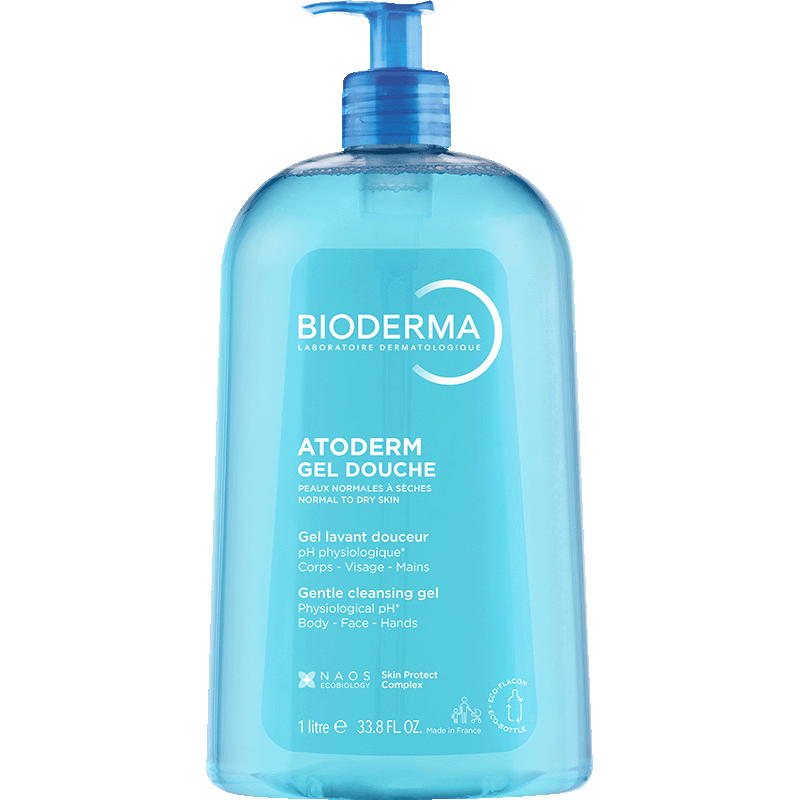
Atoderm Intensive Foaming Gel is an ultra-soothing, soap-free cleansing gel formulated for very dry to atopic skin. Fragrance-free and suitable for face, body, and hands, it cleanses effectively while protecting the skin from dryness — with 85% of users reporting more comfortable skin and 90% avoiding tightness sensations after use.


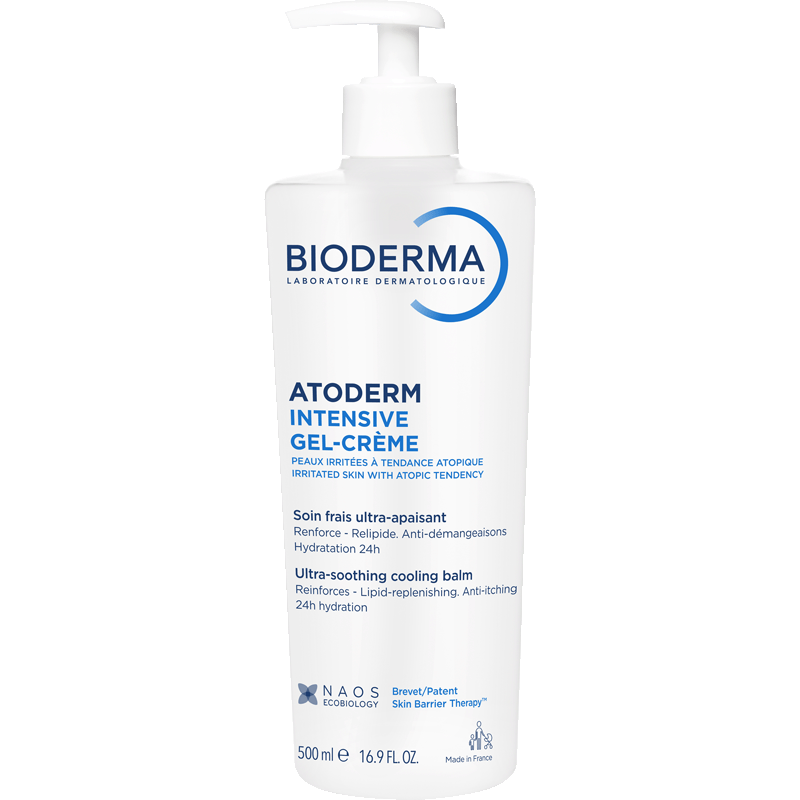
Atoderm Intensive Balm is a bestselling, ultra-nourishing replenishing care recognized by the National Eczema Association Seal of Acceptance. Formulated for very dry to atopic skin, it soothes discomfort, reduces itching, and durably reinforces the skin barrier. Non-sticky and fragrance-free, it absorbs quickly and can be applied directly to the skin beneath the beard.


Atoderm Shower Oil cleanses while actively nourishing the skin, leaving it hydrated for 24 hours. Its soap-free, non-comedogenic formula is particularly well suited to very dry and reactive skin, and can be used on the face as well as the body — making it a strong option for those whose beard skin dryness extends to the broader facial area.


Frequently asked questions


Cleanse gently with a sulfate-free, fragrance-free wash, apply hydrating moisturizers with ceramides or glycerin daily, and exfoliate weekly to remove dead skin cells. For persistent cases, consult a dermatologist to rule out seborrhoeic dermatitis or other conditions requiring specialized treatment.
 

Dry skin under the beard results from harsh cleansers that strip natural oils, low humidity environments, reduced air circulation trapped by beard hair, and underlying skin conditions like seborrhoeic dermatitis. The beard creates a warm microclimate that can disrupt the skin barrier over time.
 

Yes, beard oils that contain humectant and emollient ingredients nourish both the hair and the underlying skin. Effectiveness depends on the formula and consistency of use — daily application of a quality product reduces itching and flaking within a few weeks for most people.
 

Peeling occurs when the skin barrier is compromised by harsh cleansers, low humidity, or seborrhoeic dermatitis. The beard traps moisture but also prevents air circulation, creating an environment where dead skin cells accumulate more readily.
 

Once or twice daily is sufficient for most skin types. For more severe dryness, increase frequency until symptoms improve, then maintain with daily application to prevent recurrence.
 

For true dryness, look for ceramide-rich or glycerin-based moisturizers. For seborrhoeic dermatitis, products containing zinc pyrithione or antifungal agents are more appropriate. Always patch-test new products first and consult a dermatologist if symptoms persist.
 

Yes, dryness triggers excess flaking, and if seborrhoeic dermatitis is present the condition worsens. Dandruff affects approximately 50% of the global population and is one of the most common and treatable skin concerns there is.


Use gentle, sulfate-free cleansers instead of regular soap, apply hydrating products daily, and protect your skin from extreme weather. Avoid hot showers, vigorous rubbing when drying the beard, and products containing alcohol or synthetic fragrance.
 

Scientific references


  1. Dysbiosis and genomic plasticity in the oily scalp microbiome: a multi-omics analysis of dandruff pathogenesis 
    (Frontiers In Microbiology – Han Yu et al., 2025) 
    https://pmc.ncbi.nlm.nih.gov/articles/PMC12271121/
  2. Effects of winter indoor environment on the skin: unveiling skin condition changes in Korea 
    (Skin Research And Technology – Park Eun Hye et al., 2023) 
    https://pmc.ncbi.nlm.nih.gov/articles/PMC10264749/
  3. Malassezia furfur 
    (StatPearls, NCBI Bookshelf – Vest Blake E. et al., 2023) 
    https://www.ncbi.nlm.nih.gov/books/NBK553091/
  4. The global prevalence of seborrheic dermatitis: a systematic review and meta-analysis 
    (JAMA Dermatology – Polaskey Meredith Tyree et al., 2024) 
    https://pmc.ncbi.nlm.nih.gov/articles/PMC11223058/
  5. Impact of water exposure and temperature changes on skin barrier function 
    (Journal Of Clinical Medicine – Herrero-Fernandez M. et al., 2022) 
    https://pmc.ncbi.nlm.nih.gov/articles/PMC8778033/


Author


Content written by the BIODERMA USA editorial team and medically reviewed by Anaïs Caldirola, Medical lead at NAOS, ensuring accuracy and scientific reliability. Medical information is based on established dermatological and nutritional references