

BLACK FRIDAY IS ON! UP TO 25% OFF + FREE 7-PIECE GIFT WITH $75+

SHOP NOW

Subscribe to our newsletter

Get 10% off your first order, plus the latest updates and news!

Normal, dry to atopic skin

Dry skin around eyes: causes, treatments and prevention strategies

Reading time : 9 min

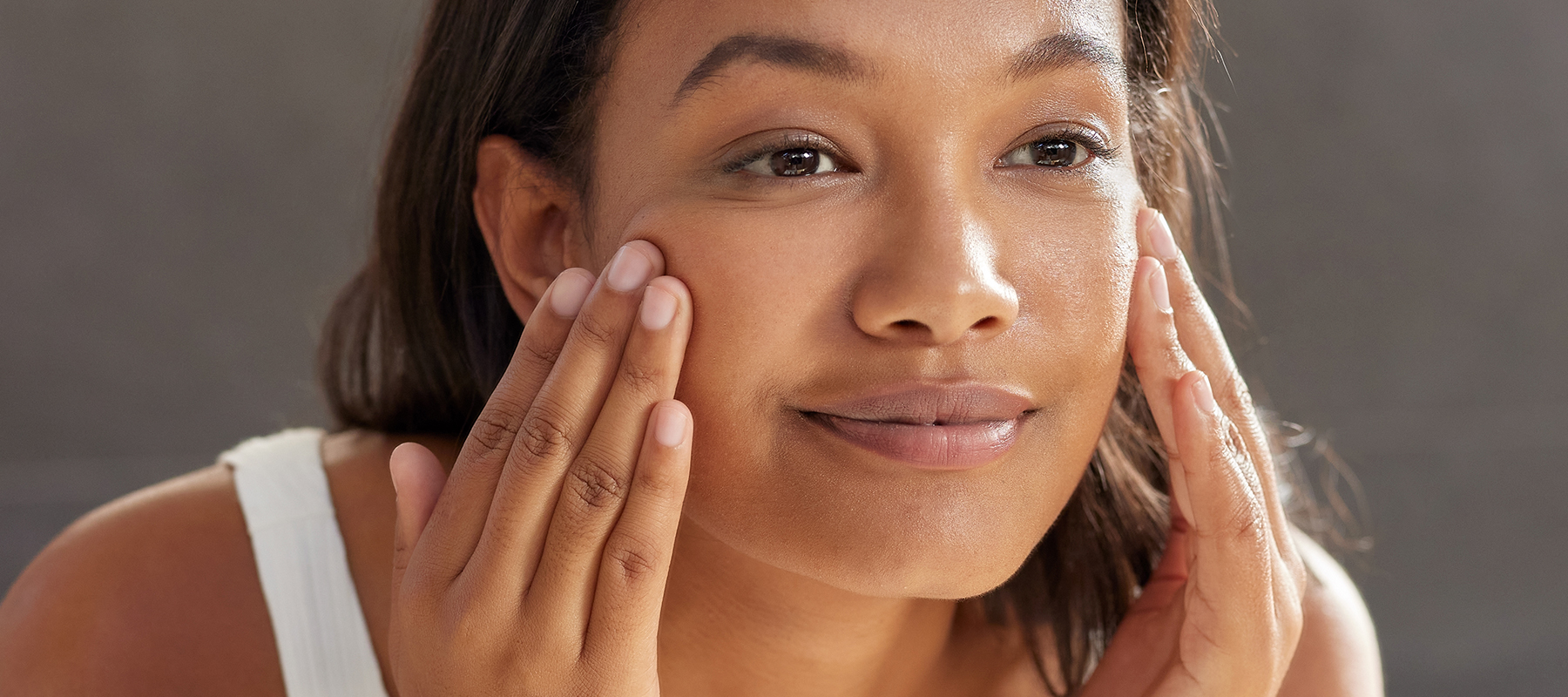
woman touching her face

Key takeaways from this guide

  • The skin around the eyes is the thinnest on the face, with the upper eyelid measuring as little as 0.2 mm. It dries out faster, reacts more readily, and tolerates active ingredients less well than the rest of the face.
  • Common causes include cosmetic products (makeup, eye creams, hair dye), atopic dermatitis, allergic contact reactions, climate and age-related loss of sebum.
  • Allergic contact dermatitis is the most common cause of dermatitis in this area. Patch testing identifies the trigger.
  • Fragrance-free, ophthalmologist-tested products applied with care form the basis of daily care, and strong actives such as retinoids are best kept off the eyelids without medical advice.
  • Persistent redness, flaking or puffiness lasting over two weeks warrants a dermatology consultation.


The skin around the eyes is often the first area to show signs of dryness. It feels tight after cleansing, small flakes appear on the upper eyelids, and foundation starts to collect in fine lines. The periorbital area does not behave like the rest of the face, and a routine that works elsewhere is often unsuitable here. For broader context on the condition itself, see dry skin.


This guide explains why the periorbital zone is so vulnerable, what causes the dryness, and how to treat it safely. It also outlines how to build an appropriate routine and clarifies the point at which home care reaches its limits.
 

Everything below is based on peer-reviewed dermatological evidence. Product recommendations focus on what suits the thinness and sensitivity of this area.


Understanding the periorbital zone


Eyelid skin is the thinnest skin on the body, measuring around 0.2 mm at its thinnest1, while skin on the cheeks is two to three times thicker. The periorbital area also has very few sebaceous glands and almost no subcutaneous fat, so water leaves it faster and the lipids that normally seal the barrier are scarce. Any product applied here penetrates more deeply than elsewhere on the face, which is why the eyes are often the first zone to react when a routine is poorly tolerated.


Periorbital dryness shows up in several recognizable ways. The skin feels tight after cleansing, small flakes appear on the upper eyelid or below the lower lashes, and the area looks duller as fine lines become more visible. Some people develop redness, itching or a burning sensation, foundation and concealer no longer apply smoothly, and eye creams that were previously well tolerated may start to sting. These signs rarely appear all at once, but they share the same underlying cause, a barrier that has lost its ability to hold moisture.
 

Common causes of dry skin around the eyes


Cosmetic products are the leading cause of periorbital dryness and dermatitis. Allergic contact dermatitis to ingredients in cosmetics, hair dyes (notably p-phenylenediamine), eye drops and skincare actives accounts for a large share of cases referred to dermatology2. In one large case series, allergic contact dermatitis accounted for about 54% of periorbital dermatitis cases, atopic dermatitis for around 25%, and irritant contact dermatitis for about 9%2. Common triggers include fragrance, preservatives such as methylisothiazolinone, nickel released from applicators, and powerful actives such as retinoids or alpha-hydroxy acids applied too close to the eye. Because the barrier in this area is thin, ingredients penetrate faster and contact reactions appear sooner than on the rest of the face.
 

Several inflammatory skin conditions can present around the eyes, sometimes only there. Atopic and seborrheic dermatitis, allergic and airborne contact dermatitis, rosacea and psoriasis can all affect the eyelids and periorbital skin3. In patients with a history of atopy, the eyelids may be among the first areas to flare. Distinguishing between these conditions requires a dermatologist's evaluation, since the visual signs overlap and the appropriate treatment depends on the underlying cause.
 

Cold dry air, indoor heating, wind and air conditioning all draw moisture from a barrier that is already thin. A comprehensive review of the literature shows that low humidity and low temperatures affect skin barrier function and increase vulnerability to mechanical stress4. Long flights are a known trigger, since cabin air is very dry. Other factors compound over time, including short nights, prolonged screen time, habitual eye rubbing, and aggressive removal of eye makeup with wipes or oil-based products that require vigorous wiping. The dry skin around the nose responds to similar environmental triggers, with sebum production playing a comparable protective role.


Sebum production declines with age, and the periorbital area is one of the first zones to feel it. The skin becomes thinner, fine lines appear, and dryness sets in even in people who never had it before. Women tend to see a sharper drop after menopause, while men experience the decline more gradually. The combination of thinner skin and fewer barrier lipids makes the area more reactive and harder to keep comfortable.
 

Effective treatments for dry skin around the eyes


Cleansing should protect the barrier rather than strip it. Alkaline cleansers and harsh makeup removers are best replaced with a milder option, since conventional soaps are alkaline (pH 9-11) and disrupt the skin's natural acid mantle, whereas syndets formulated at acidic to neutral pH are designed to be more compatible with skin5. For eye makeup, micellar water applied on a soft pad pressed gently against the skin is preferable to wiping. Rinsing with lukewarm rather than hot water and patting dry with a soft towel limit further irritation.
 

Eye creams are formulated with milder concentrations and gentler ingredients suited to thin skin. The most useful ingredients for dry periorbital skin are humectants such as glycerin, hyaluronic acid and panthenol, ceramides to support barrier repair, and squalane as a non-irritating emollient. A fragrance-free formula is essential, and ophthalmologist-tested formulas limit the risk of stinging if the product migrates into the eyes. A thin layer applied morning and evening with the ring finger, tapping rather than rubbing, is sufficient.
 

Self-care has clear limits in this area. Persistent flaking or redness, puffiness lasting more than two weeks, intense itching, or any change in vision all warrant a dermatology visit. A dermatologist may prescribe a mild topical corticosteroid for short courses, or a calcineurin inhibitor (tacrolimus, pimecrolimus) for longer treatment, since steroids on the eyelids require careful monitoring of skin thinning and intraocular pressure. Patch testing may be added to identify a contact allergen. Treating the underlying cause is more effective than stacking moisturizers.
 

Daily routine and prevention


In the morning, the area is rinsed with lukewarm water and patted dry. A thin layer of eye cream is then applied with the ring finger, tapping along the orbital bone (under the eye and on the brow ridge) rather than directly on the lid, and keeping clear of the upper lash line where the product can migrate into the eye. Waiting about two minutes before applying sunscreen or foundation allows it to settle. SPF on the eye area matters, since UV exposure affects barrier function on this thin skin.
 

In the evening, makeup is removed gently. Micellar water on a soft cotton pad pressed against the skin for about ten seconds dissolves mascara and eyeliner without rubbing or pulling the skin, and the area can be rinsed with lukewarm water if needed. A richer eye cream or balm is suited to the night, when the skin has time to absorb it. Retinoids used on the face should be kept away from the eye area unless specifically prescribed by a dermatologist.
 

A few simple habits make a real difference. Rubbing the eyes when they itch is best avoided, as gentle patting is safer. A humidifier helps in winter or in air-conditioned offices, and sleeping on the back rather than face-down limits friction against the pillow. Replacing eye makeup every three to six months reduces bacterial buildup, and wearing sunglasses outdoors cuts UV exposure while reducing the squinting that contributes to fine lines
 

When to see a dermatologist


Persistent dryness that does not improve after three weeks of consistent gentle care warrants a consultation. Other warning signs include redness extending to the cheeks or forehead, intense itching that affects sleep, visible scaling, puffiness, lingering burning, or any change in vision. These can point to atopic or contact dermatitis, and periorbital eczema is another possibility. Other inflammatory conditions may also be involved, each requiring specific treatment.
 

A dermatologist examines the area and asks about the routine, products used, recent changes, family history and other symptoms. Patch testing pinpoints which contact allergens trigger reactions. If the eye itself is affected (redness, tearing, light sensitivity), an ophthalmologist evaluation may be added. The goal is to identify the underlying cause rather than treat the dryness as an isolated symptom.
 

Prescription options depend on the diagnosis. Topical corticosteroids in short courses are used for inflammatory flares, while topical calcineurin inhibitors (tacrolimus, pimecrolimus) are preferred for longer treatment on the eyelids, since steroids in this area require monitoring for skin thinning and elevated intraocular pressure. Antihistamines may be added if an allergy is involved, and avoidance of identified allergens remains part of the long-term plan.
 

skin epiderm

Gentle ATODERM care for the dry eye area


The periorbital area has the thinnest skin on the face and very few sebaceous glands, so it dries out faster and reacts to products the rest of the face tolerates. Fragrance-free, ophthalmologically tested care applied with a light touch is the safest daily approach.
 

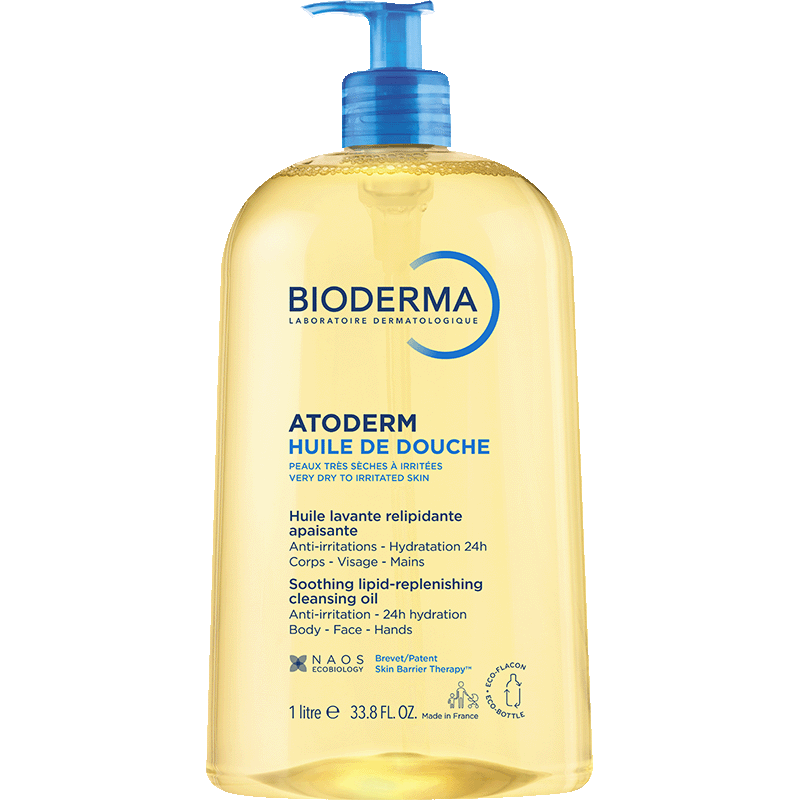
Within the ATODERM range, Atoderm Shower Oil offers gentle, soap-free cleansing that does not strip the thin skin of the periorbital area, leaving it soothed. It is fragrance-free, suited to the sensitivity of the eye area, and should be kept clear of direct contact with the eye.
 

Common questions about dry skin around the eyes


Why is the skin around my eyes so dry?

The periorbital area has the thinnest skin on the body, the fewest sebaceous glands, and almost no subcutaneous fat, so it loses moisture faster than the rest of the face and reacts to products that other areas tolerate well. Daily contact with makeup, makeup remover, hands and environmental dryness makes it more fragile still. The area is naturally prone to dryness, and the solution usually lies in removing irritants (fragrances, harsh wipes, strong actives) rather than applying progressively richer creams.


Can dry skin around the eyes be a sign of eczema?

Yes. Atopic dermatitis and contact dermatitis often present around the eyes, sometimes as the only affected zone. The signs include redness, intense itching, scaling, and sometimes weeping or crusting. Dryness accompanied by persistent itching or redness, or by symptoms elsewhere on the body, is a reason to consult a dermatologist. Patch testing identifies which allergens are responsible, and avoiding them is the single most effective long-term strategy.


What is the best eye cream for very dry skin?

There is no single best product. For very dry periorbital skin, look for a fragrance-free formula with ceramides, glycerin, hyaluronic acid and squalane. Ophthalmologist-tested labels limit the risk of stinging if the product migrates into the eye. Eye creams containing retinoids, alpha-hydroxy acids, high concentrations of vitamin C or essential oils are best avoided unless prescribed. The right texture depends on the time of day, with a lighter gel-cream in the morning and a richer balm at night.


Scientific references

  1. Pilkington SJ, Belden S, Miller RA. The Tricky Tear Trough: A Review of Topical Cosmeceuticals for Periorbital Skin Rejuvenation. J Clin Aesthet Dermatol. 2015;8(9):39-47. https://pubmed.ncbi.nlm.nih.gov/26430490/
  2. Feser A, Mahler V. Periorbital dermatitis - a recalcitrant disease: causes and differential diagnoses. Br J Dermatol. 2010;163(2):247-256. https://pubmed.ncbi.nlm.nih.gov/18721191/
  3. Papier A, Tuttle DJ, Mahar TJ. Periorbital eyelid dermatides. Cutis. 2013;92(6):300-308. https://pubmed.ncbi.nlm.nih.gov/24314387/
  4. Engebretsen KA, Johansen JD, Kezic S, Linneberg A, Thyssen JP. The effect of environmental humidity and temperature on skin barrier function and dermatitis. J Eur Acad Dermatol Venereol. 2016;30(2):223-249. https://pubmed.ncbi.nlm.nih.gov/26449379/
  5. Hawkins S, Dasgupta BR, Ananthapadmanabhan KP. Role of pH in skin cleansing. Int J Cosmet Sci. 2021;43(4):474-483. https://pubmed.ncbi.nlm.nih.gov/34137035/


Author

Content written by the BIODERMA USA editorial team and medically reviewed by Anaïs Caldirola, Medical lead at NAOS, ensuring accuracy and scientific reliability. Medical information is based on established dermatological and nutritional references.