


Explore essential strategies for managing couperose skin with our expert guide. Uncover causes, triggers and solutions to prevent redness and find relief
NEW
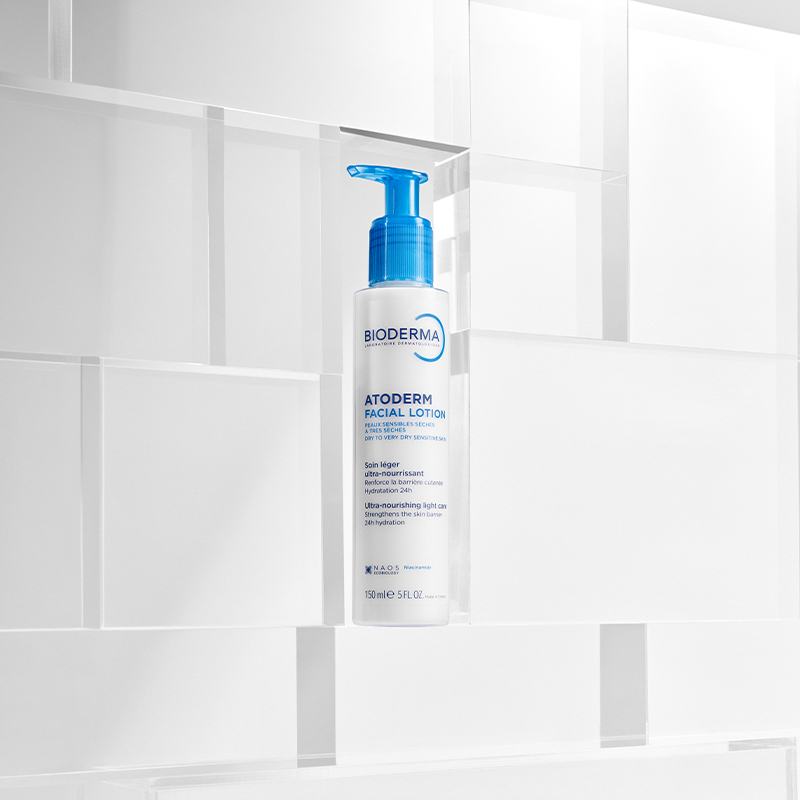
ATODERM FACIAL LOTION
Your daily barrier support with
24h of hydration
Reading time : 3 min
Explore essential strategies for managing couperose skin with our expert guide. Uncover causes, triggers and solutions to prevent redness and find relief
Couperose is a skin condition where redness appears on the face because of weakened blood vessels. Discover how to manage this chronic inflammation and prevent its appearance.
Couperose skin is a condition where redness appears on the face due to small, dilated red blood vessels. Redness can also go along with red spots on the face and burning or stinging feelings.
Couperose and Rosacea are two skin conditions that are quite similar:
Couperose appears as localized redness in specific areas like the face, the neck and the cheeks and is defined by the appearance of blood vessels.
Rosacea is associated with permanent redness that appears suddenly and randomly on the cheeks, chin, nose and forehead. The symptoms may include dry skin, acne-like rashes, pustules and swollen blood vessels.
In fact, couperose skin condition presents the same symptoms as the vascular rosacea which is the most common type of rosacea.
The main symptoms of couperose skin are facial redness and the appearance of small, dilated blood vessels. People with couperose may also experience red spots, sensitive skin, burning and stinging feelings.
Couperose appears only on the face and especially on the cheeks, around the nose and sometimes on the chin.
Due to a combination of genetic predisposition and environmental factors, some people are more likely to develop couperose skin. This condition is most common among people with fair skin and especially women over 30 years old with light hair and blue eyes.
The causes of couperose skin are not fully known, however there are certain factors that are identified to be responsible for couperose skin.
Among the causes of couperose, genetics can influence the appearance of this condition. Indeed, the tone of skin and the gender are to be considered. Light tone skin women with fair hair and eyes are more likely to develop couperose symptoms. Common in northern Europe, couperose does not exist in southern countries and does not affect dark or black skin people.
Environmental factors can trigger an exaggerated reaction of facial blood vessels. For example, a sudden change in temperature, or consuming alcohol or spicy food can cause blood vessels to dilate permanently and lead to redness symptoms on the face.
Other factors like stress, menopause and sunburn favor the appearance of couperose condition.
Some people’s skin is hypersensitive and reacts to many cosmetic products by producing a particular molecule. This molecule is called “substance P” and leads to local inflammation.
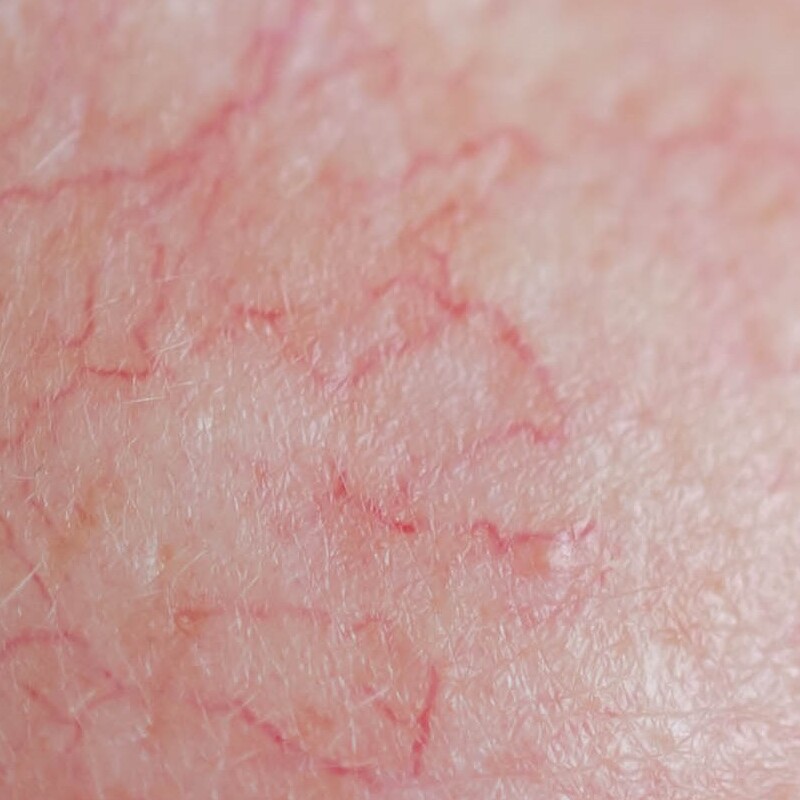
There is no specific test for couperose diagnosis, but dermatologists, by analyzing the appearance of your skin and your medical history, will confirm which skin condition is affecting you.
Currently, no cure for couperose skin exists, but different treatments can help manage the symptoms. A combination of self-care measures and medications will limit the appearance of the symptoms and the feelings of discomfort.
If you are dealing with couperose skin, you can opt for pulsed light therapy or intense pulsed light (IPL). This laser therapy uses heat to shrink blood vessels.
Thanks to this treatment, people affected by the condition see a 50 to 75% reduction in visible blood vessels. 1 to 3 therapy treatments are necessary for optimum results, and it tends to last 3 to 5 years.
Topical agents can be applied to the affected skin for mild symptoms. These treatments must be applied to your skin in cream or gel form and may need to be used long-term. They will help reduce redness by constricting blood vessels.
Even if it can be cured, couperose skin can be prevented and its symptoms reduced. By applying the following tips, you should improve your quality of life:
As we explained above, there are different risk factors that participate in the appearance of couperose skin.
By avoiding these triggers, you limit the probability of developing couperose symptoms:
Remember to moisturize your skin everyday with gentle skincare for sensitive and reactive skin. The best cream is the one that gives you a refreshed feeling and helps your skin reinforce its moisture barrier. Avoid all dermo-cosmetic products that are irritant and can provoke reactions on your skin. Only use high tolerance skincare products like Bioderma Sensibio range.
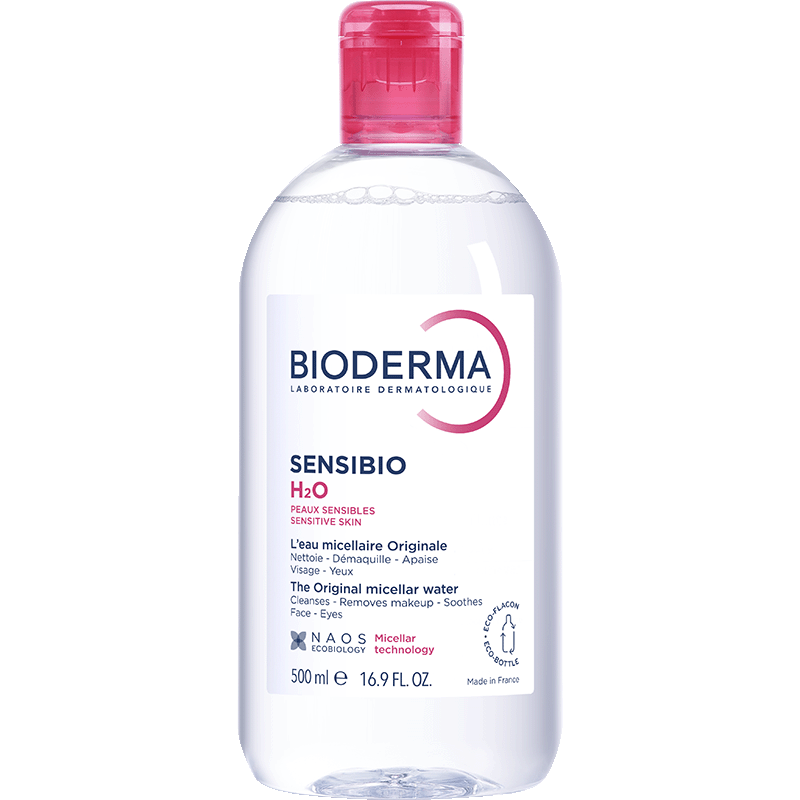
4 sizes | starting from
$6.99
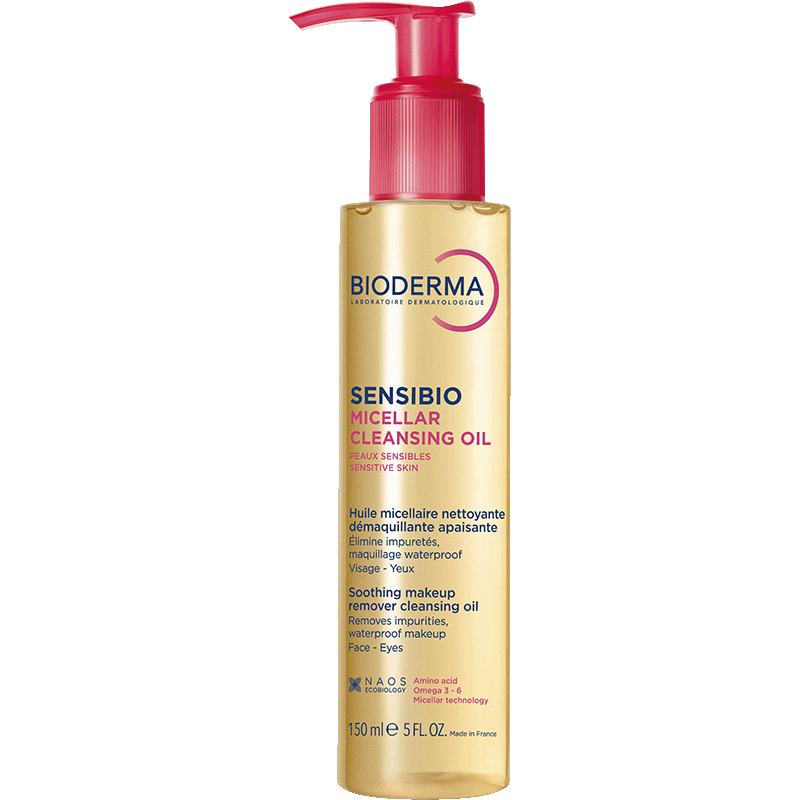
3 sizes | starting from
$9.99