




Key takeaways from this guide
- Eczema itching can be eased quickly with simple methods such as cold compresses, colloidal oatmeal baths, and moisturizing immediately after bathing.
- Topical corticosteroids and calcineurin inhibitors remain the standard pharmacological treatments for active flares, while non-steroidal options such as crisaborole suit sensitive areas or long-term care.
- Consistent emollient use reduces flare frequency and the need for steroids, and the three-minute window after bathing is when moisturizer works best.
- Identifying personal triggers such as stress, dust, fragrances or certain foods prevents flares before they start.
- Persistent itching despite home care justifies a dermatology consultation, as does sleep affected by itching or any sign of infection.
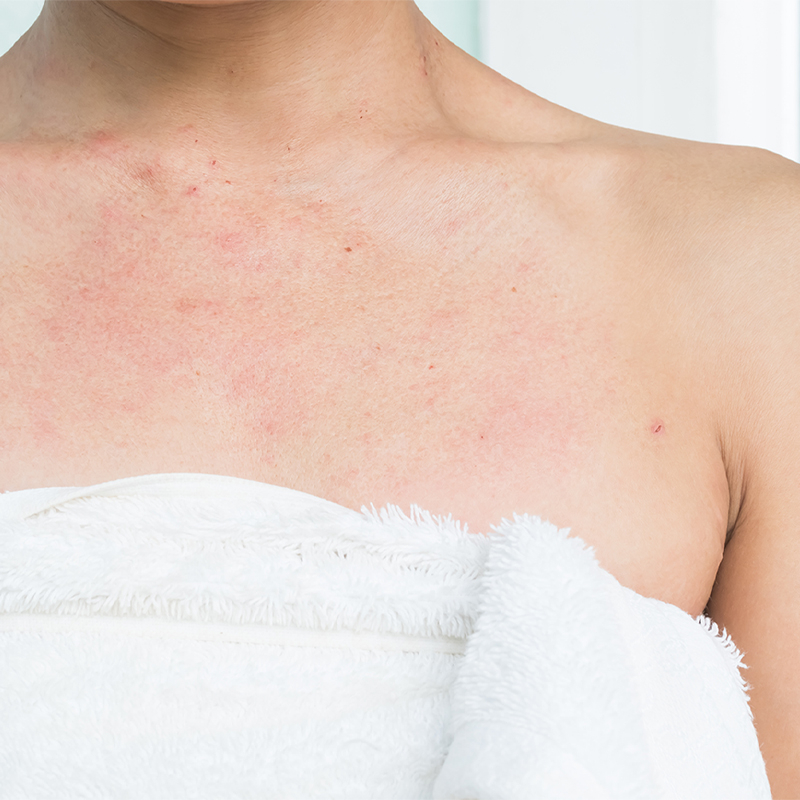
- Eczema itching can be sudden, intense and hard to ignore. The urge to scratch starts a cycle that affects the skin further, since the more the area is scratched, the more inflamed it becomes. Breaking that cycle quickly is the first step toward relief.
This guide offers methods to calm the itch straight away, alongside longer-term strategies to keep flares under control. It covers what works for instant relief, what dermatologists prescribe for moderate-to-severe cases, and how to prevent the next flare.
Everything below is based on peer-reviewed dermatological evidence. The product recommendations focus on what suits sensitive, atopic-prone skin.