

LAST CALL FOR YOUR GIFT: FREE SHIPPING ON ALL ORDERS SHOP NOW

Normal, dry to atopic skin

What causes peeling skin between the toes and how to take care of it?

Reading time : 5 min

The skin between the toes can peel because of various causes. Learn how to prevent the skin from peeling and treat the symptoms with our Bioderma experts’ advice. 

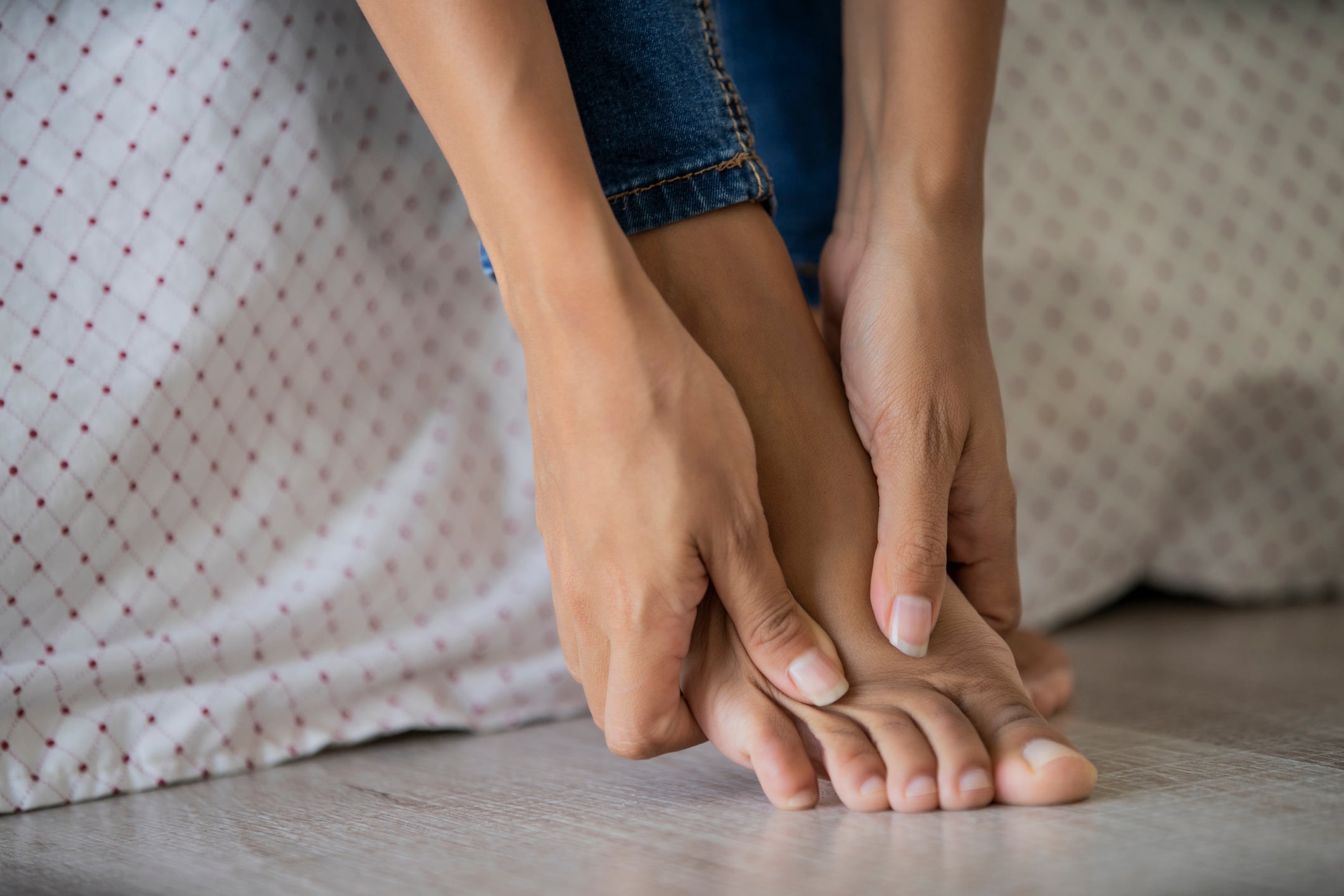
Peeling skin between the toes can have different causes. Usually, it starts with dry skin, but other symptoms may appear. It is important to identify the triggers to treat the symptoms and prevent future flare-ups.


Shoe contact dermatitis 


Shoe contact dermatitis is one of the causes of skin peeling between toes. 

Shoe contact dermatitis is a skin reaction caused by certain materials used in shoes. Materials like formaldehyde, biocides, leather, certain glues, nickel, rubber or paraphenylenediamine are particularly involved in shoe contact dermatitis.


The symptoms of shoe contact dermatitis include a rash, skin discoloration, swelling, itchiness, cracked skin and blisters. 


The best way to treat shoe contact dermatitis is to avoid wearing shoes made from the material that causes the reaction. Other treatments like topical hydrocortisone, antibiotics, or antifungals can be added to relieve the symptoms. 


To prevent shoe contact dermatitis, you need to identify the irritant and stop using products that contain the trigger. 

To help you identify this trigger, you can consult a dermatologist who will perform a skin patch test to determine the cause of the rash. Skin patch tests can be performed on people of all ages and allow you to get the best treatment for your condition. 


Athlete’s foot 


Athlete’s foot is another cause for skin peeling between toes. 

Athlete’s foot is a fungal skin infection which usually begins between the toes. This condition is contagious and can spread to other parts of the body.

People who frequently wear enclosed shoes, whose feet become very sweaty or walk barefoot in public areas like saunas, swimming pools and communal baths are more likely to develop this condition. 


Athlete’s foot can affect either one foot or both feet. The most common symptoms are peeling skin between the toes, itchiness, skin discoloration, blisters, and inflammation.


Athlete’s foot can be treated with nonprescription creams and homemade remedies but in case of more serious infection, you will need antifungal pills or creams. 
 

In people with diabetes, athlete’s foot can lead to serious, limb-threatening infections. Because of their weakened immune response, people with diabetes may have small cracks that turn into entry points for bacteria.  


To prevent athlete’s foot, it is recommended to wear shoes in public areas, to wash the feet daily, to change socks regularly and to avoid sharing shoes or unwashed bedding and towels. 


Trench foot


Trench foot, also known as immersion foot, is another cause of skin peeling between the toes. 

Trench foot often occurs when feet are wet for too long


This condition gets its name from World War I, when soldiers’ feet were constantly exposed to cold, damp and unsanitary conditions in the trenches which led to softening, swelling and infection. 


The symptoms of trench foot can include pain, itchiness, skin discoloration, blotchy skin and tingling sensation. 


Most of the time, trench foot can be treated by removing wet socks and shoes to keep the feet dry. Raise feet’s temperature by applying warm water and put on dry socks to prevent blisters.


To prevent trench foot, it is important to keep the feet dry, clean and well-insulated. If you need to work in wet conditions, consider wearing waterproof shoes. 


Psoriasis 


Psoriasis can affect any part of the body and result in scaly patches of cells. 


Psoriasis is a chronic autoimmune disease which can affect your feet and the space between your toes. We talk about palmoplantar psoriasis when it affects the palms of the hands and the soles of the feet. 


The symptoms of psoriasis localized on feet are patches of scaly, flaky and discolored skin with cracking and bleeding. 


Treatment of palmoplantar psoriasis can be challenging due to the thick skin and constant friction in those areas. Topical treatments are often prescribed combined with systemic treatments to relieve pain and reduce symptoms.


Psoriasis is an autoimmune skin condition influenced by genetics, stress, infections, smoking and certain medications. To prevent flare-ups, protect your skin by managing known triggers and risk factors like smoking, stress, harsh products and injury or infections. Cold weather is also a known trigger for dry skin like dry skin around nose or mouth


Pompholyx or dyshidrotic eczema


Dyshidrotic eczema targets the fingers, toes and soles of the feet and causes itchy blisters. 


Dyshidrotic eczema, also known as pompholyx, is a type of eczema associated with different triggers like seasonal allergies, high stress, hot and humid weather. 


Dyshidrotic eczema can cause itchy blisters, itching and burning sensations. The skin may become dry and peel or crack leading to infection.


Dyshidrotic eczema usually clears up by itself within 3 weeks. To help relieve the pain you can use moisturizers and steroid creams. 


Unlike typical eczema, dyshidrotic eczema usually occurs from stress, heat, wet feet and contact with certain allergens. Try to avoid wearing nylon tights or socks as well as plastic or rubber shoes.


Cellulitis


Cellulitis is a bacterial infection which usually starts on the legs but can spread up to the feet and create blisters. 


Cellulitis is a bacterial infection of the tissues under the skin which can develop anywhere on the body. The lower legs are more likely to develop symptoms which can spread up to the feet. Xerosis cutis is another skin condition which often develops on the legs. Make sure not to confuse cellulitis with xerosis cutis.  


The most common symptoms of cellulitis include flaking and peeling skin, swelling and blisters and a sensation of warmness to the touch.


If you think you have cellulitis, consult your dermatologist to get prescribed antibiotics. Indeed, it is important to make sure bacteria will not enter the bloodstream and cause more serious complications. 


To prevent cellulitis, there are clear steps you can follow like maintaining good skin hygiene, trimming toenails, wearing clean clothes and keeping small wounds clean. If you notice unusual redness, pain or swelling, act early and contact your healthcare provider. 


Skin peeling between toes can be caused by different conditions such as skin reaction to allergens or skin infection. Make sure to regularly check your skin and contact a dermatologist when in doubt with any of your symptoms.