
LAST CALL FOR YOUR GIFT: FREE SHIPPING ON ALL ORDERS SHOP NOW

Normal, dry to atopic skin

Why is my newborn’s skin peeling and how to take care of it?

Reading time : 3 min

All newborns undergo a skin peeling phase in their first weeks of life. Discover why does peeling occur and how to distinguish natural peeling from other skin conditions.

Newborn skin peeling is common after birth and can occur on any parts of the body. Newborn peeling can have different causes which is why it is important to know how to take care of your baby's skin.


Why is my newborn’s skin peeling?


Newborn skin peeling can have different causes. 
Newborn skin peeling occurs in the first days to weeks of your baby’s life. Indeed, after birth, the protective coating, called vernix, is removed from the skin leading to peeling. This is a normal reaction from the skin which is getting used to not having its protective coating anymore. As it is explained in the article of the PubMed Central “at birth, the infant transitions abruptly from a fluid-filled environment, resulting in decreased hydration and reduced cohesion in the stratum corneum — initiating the visible peeling process”.


When your baby’s scalp is flaking, it may be a sign of cradle, also known as seborrheic dermatitis. Seborrheic dermatitis is a chronic skin condition that affects the scalp and can occur in other parts of the body. It is noncontagious and an easy-to-manage skin condition. 

Cradle cap usually resolves on its own or with the help of antifungal gels, creams, lotions, foams or shampoos to limit the inflammation. Massaging or brushing the baby’s scalp with a soft brush after each shampoo several times a day can help relieve the symptoms. If you do not see any improvement within a month, consider asking your pediatrician. 


When your baby’s scalp is flaking, it may be a sign of cradle, also known as seborrheic dermatitis. Seborrheic dermatitis is a chronic skin condition that affects the scalp and can occur in other parts of the body. It is noncontagious and an easy-to-manage skin condition. 


Cradle cap usually resolves on its own or with the help of antifungal gels, creams, lotions, foams or shampoos to limit the inflammation. Massaging or brushing the baby’s scalp with a soft brush after each shampoo several times a day can help relieve the symptoms. If you do not see any improvement within a month, consider asking your pediatrician. 


Eczema is a common inflammatory skin condition causing peeling, itchiness, dry skin and rashes. Eczema often appears very early under the age of 5 and can spread to any parts of the body, but it usually affects the face or scalp.  
 

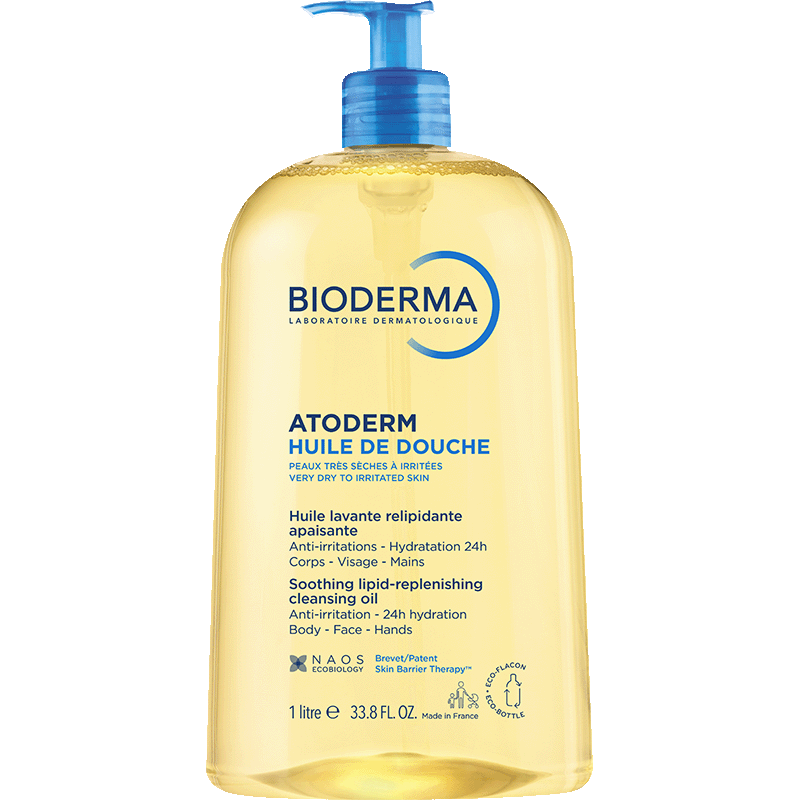
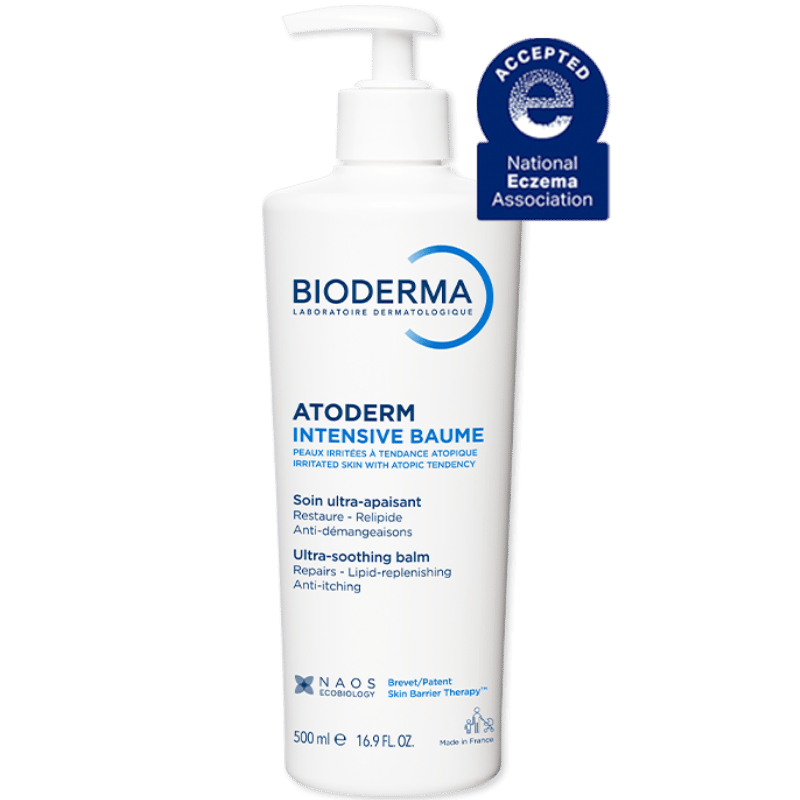
Bioderma Atoderm is a full range of care products for the face and body tailored for dry to very dry skin sensitive skin. 
 

The Atoderm Intensive Balm is an example of a skincare product which soothes and reduces feelings of discomfort.


Ichthyosis corresponds to an extra layer of skin which looks like a plastic wrap. This membrane is made up of skin cells that are usually shed before the baby is born. It can take several weeks for this membrane to crack and peel off. Ichthyosis is a genetic condition which may require intensive neonatal care until the condition is resolved. There is no cure for this condition, but regular creams can relieve dryness.


Psoriasis is a chronic skin condition in which there are red, thickened and dry patches. It usually goes along with psoriasis on other parts of the body. Because of its chronic condition, psoriasis’ symptoms can come and go unexpectedly. Often mistaken with cradle crap, psoriasis rarely occurs in infants. There is no cure for psoriasis, but treatments are available to manage the condition. 


What can I do if my newborn skin is peeling?


Here is a list of our Bioderma experts' advice to protect your newborn’s skin and reduce peeling. 

It is very important not to peel the skin because it protects new skin underneath. 


Keep your newborn’s skin hydrated to keep it healthy and protected. Moisturize daily and especially after bathing to reduce the risk of dry skin.
 

Bioderma Atoderm range offers ultra-nourishing moisturizer to strengthen the skin barrier and provides softness.
 

Using a cool-mist humidifier can help raise the moisture level in the air and prevent skin from drying out. 


Avoid harsh chemicals when choosing shampoos, soaps and lotions to protect your newborn's sensitive skin. Make sure to cover your baby’s skin when you are out in the sun and to favor short outings in the shade. On the contrary, when the weather is cold and dry, remember to protect your baby’s hands and feet. Indeed, winter is particularly rough for the skin and the exposed body areas like the face and hands. Dry skin during winter feels uncomfortable and may lead to further skin problems. 


Warm water strips the skin of its natural oils which is why it is recommended to reduce bathtime to 5 to 10 minutes two or three times a week. 


Can I prevent my newborn’s skin from peeling?


Peeling skin for newborns is a normal stage and cannot be prevented. It is the same for dry skin during pregnancy. Indeed, it is common for pregnant women to have dry skin as the skin undergoes many changes during pregnancy. Identify the causes of your newborn skin peeling to adopt the best care possible and take action to prevent the condition from getting worse.